
Inflammation is your body's natural defense mechanism — but when it becomes chronic, it silently fuels conditions like heart disease, arthritis, diabetes, and autoimmune disorders. Millions of people rely on over-the-counter NSAIDs for relief, unaware that nature provides potent anti-inflammatory alternatives backed by clinical research.
The good news? You don't need to choose between pharmaceutical intervention and doing nothing. Natural anti-inflammatory remedies — from turmeric curcumin and ginger to omega-3 fatty acids and boswellia — have demonstrated remarkable efficacy in clinical trials. Combined with an anti-inflammatory diet and targeted lifestyle changes, these approaches can meaningfully reduce chronic inflammation.
If you're dealing with inflammation-related pain, our Inflammation and Pain Relief Guide provides a comprehensive overview of the topic.
What Are the Most Effective Natural Anti-Inflammatory Remedies?
The most effective natural anti-inflammatory remedies include turmeric curcumin, ginger, omega-3 fatty acids, boswellia, and an anti-inflammatory diet. These approaches work through multiple biochemical pathways to reduce inflammatory markers like CRP, IL-6, and TNF-alpha, with clinical evidence supporting their efficacy for chronic inflammation management.
Chronic inflammation differs from acute inflammation in that it persists for weeks, months, or even years — often without obvious symptoms. This low-grade, systemic inflammation damages tissues over time and contributes to nearly every chronic disease. Natural anti-inflammatory remedies address this by modulating inflammatory pathways at the cellular level.
Why Do Natural Approaches Work for Chronic Inflammation?
Natural anti-inflammatory compounds target the same biochemical pathways as pharmaceutical drugs but typically with fewer side effects. Curcumin inhibits NF-κB, COX-2, and multiple inflammatory cytokines. Omega-3 fatty acids produce specialized pro-resolving mediators (SPMs) that actively resolve inflammation rather than just suppressing it. This multi-target approach is why natural remedies can be so effective for chronic conditions.
The five steps in this guide progress from foundational dietary changes to specific herbal and supplement interventions, giving you a comprehensive anti-inflammatory protocol.
How Can an Anti-Inflammatory Diet Reduce Chronic Inflammation?
An anti-inflammatory diet reduces chronic inflammation by increasing intake of polyphenols, omega-3 fats, and antioxidants while eliminating pro-inflammatory processed foods, refined sugars, and industrial seed oils. Studies show this dietary pattern can lower CRP levels by 20–30% within 8 weeks of consistent adherence.
What Foods Should You Eat to Reduce Inflammation Naturally?
Focus on these anti-inflammatory food categories:
- Colorful vegetables and fruits — berries, leafy greens, cruciferous vegetables, and deeply colored produce provide polyphenols and flavonoids that suppress NF-κB signaling
- Fatty fish — salmon, sardines, mackerel, and anchovies deliver EPA and DHA omega-3 fatty acids (aim for 2–3 servings per week)
- Extra virgin olive oil — contains oleocanthal, which has ibuprofen-like anti-inflammatory effects
- Nuts and seeds — walnuts, flaxseeds, and chia seeds provide plant-based omega-3s (ALA) and vitamin E
- Herbs and spices — turmeric, ginger, rosemary, and garlic provide concentrated anti-inflammatory compounds
- Green tea — EGCG catechins inhibit inflammatory enzymes and reduce oxidative stress
What Foods Should You Avoid?
Eliminate or minimize these pro-inflammatory triggers:
- Refined sugars and high-fructose corn syrup
- Industrial seed oils (soybean, corn, canola, sunflower)
- Processed and ultra-processed foods
- Excessive alcohol consumption
- Trans fats and deep-fried foods
How Does Turmeric Curcumin Fight Inflammation Naturally?
Turmeric curcumin fights inflammation by inhibiting NF-κB, the master transcription factor that controls inflammatory gene expression, while simultaneously blocking COX-2 and 5-LOX enzymes. Meta-analyses of over 120 randomized controlled trials confirm curcumin significantly reduces CRP, IL-6, and TNF-alpha levels in humans.
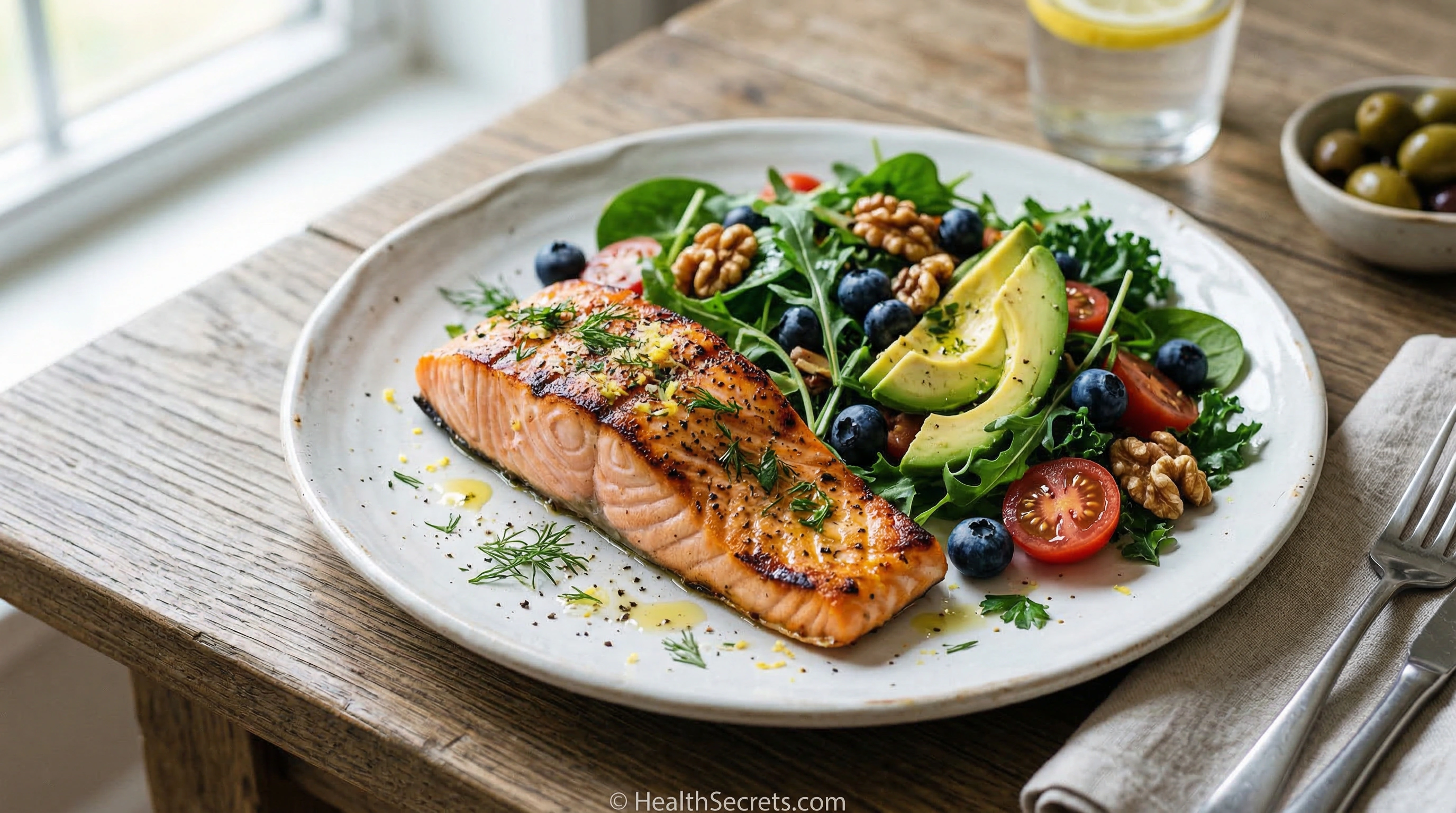
Curcumin is the primary bioactive compound in turmeric (Curcuma longa), responsible for its golden color and therapeutic properties. However, standard curcumin has extremely poor bioavailability — only about 1–2% is absorbed when taken alone.
How Should You Take Curcumin for Maximum Absorption?
To overcome bioavailability challenges, use one of these enhanced formulations:
- Curcumin + piperine (black pepper extract) — increases absorption by up to 2,000%
- Liposomal curcumin — encapsulated in lipid vesicles for enhanced cellular uptake
- Curcumin phytosome (Meriva) — bound to phosphatidylcholine, improving absorption 29-fold
- Nano-curcumin — reduced particle size increases surface area and absorption
Effective dosing: 500–1,000 mg of curcuminoids daily with an enhanced bioavailability formulation. Take with meals containing healthy fats for optimal absorption.
What Makes Ginger a Powerful Natural Anti-Inflammatory Remedy?
Ginger (Zingiber officinale) contains gingerols and shogaols that inhibit COX-2 and 5-lipoxygenase pathways, reduce prostaglandin synthesis, and suppress pro-inflammatory cytokines. A 2022 systematic review found that ginger supplementation significantly reduced CRP and IL-6 levels across 16 randomized controlled trials.
How Should You Use Ginger for Inflammation?
Ginger can be consumed in multiple effective forms:
- Fresh ginger root — grate 1–2 inches into meals, smoothies, or tea daily
- Ginger supplements — 500–1,000 mg of standardized ginger extract daily
- Ginger tea — steep fresh sliced ginger for 10–15 minutes (2–3 cups daily)
Ginger works synergistically with curcumin — combining both amplifies anti-inflammatory effects. Clinical studies show ginger is particularly effective for osteoarthritis pain and exercise-induced muscle inflammation.
How Do Omega-3 Fatty Acids Reduce Inflammation in Your Body?
Omega-3 fatty acids (EPA and DHA) reduce inflammation by competing with pro-inflammatory omega-6 arachidonic acid for enzymatic conversion, producing anti-inflammatory resolvins and protectins that actively resolve inflammation. Clinical trials show 2–4 grams daily of combined EPA and DHA reduces CRP by 15–30% within 8–12 weeks.
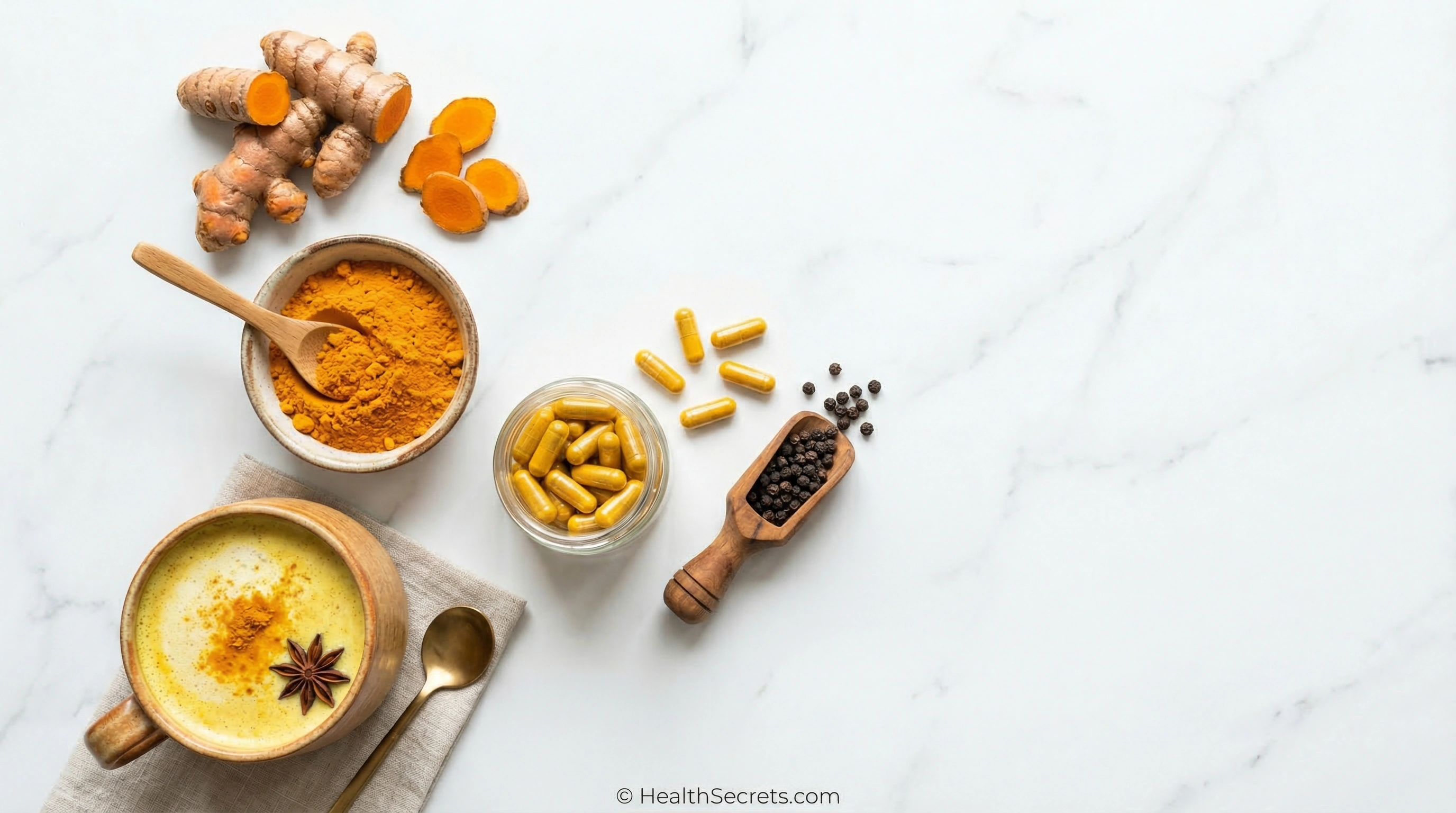
Unlike compounds that simply suppress inflammatory signals, omega-3s produce specialized pro-resolving mediators (SPMs) — including resolvins, protectins, and maresins — that actively clear inflammatory debris and restore tissue homeostasis.
What Is the Optimal Omega-3 Dose for Inflammation?
For anti-inflammatory benefits, research supports:
- General maintenance: 1,000–2,000 mg combined EPA/DHA daily
- Active inflammation: 2,000–4,000 mg combined EPA/DHA daily
- EPA-dominant formulations are preferred for inflammation (EPA is more potently anti-inflammatory than DHA)
Choose molecularly distilled fish oil or algae-based omega-3 supplements tested for heavy metals and oxidation. Take with meals containing fat for optimal absorption.

Thorne Meriva SF (Curcumin Phytosome)
Editor's ChoiceThorne Meriva · Comprehensive anti-inflammatory support with superior absorption
Nordic Naturals Ultimate Omega
Best Omega-3Nordic Naturals · High-potency EPA/DHA for inflammation reduction

Life Extension 5-LOX Inhibitor with AprèsFlex
Best BoswelliaLife Extension · Joint and respiratory inflammation via 5-LOX inhibition
NOW Foods Ginger Root 550mg
Best ValueNOW Foods · Budget-friendly daily ginger supplementation

Doctor's Best High Absorption Curcumin with C3 Complex and BioPerine
Best Budget CurcuminDoctor's Best · Affordable curcumin with enhanced bioavailability via piperine
Read the detailed review cards below before opening any retailer link
Top Recommended Products
Thorne Meriva
Thorne Meriva SF (Curcumin Phytosome)
Thorne's Meriva SF uses the clinically studied curcumin phytosome formulation, delivering 29-fold greater absorption than standard curcumin extracts. NSF certification ensures purity and potency, making this the gold standard for anti-inflammatory curcumin supplementation.
Pros
- + Superior bioavailability via Meriva phytosome technology
- + NSF Certified for Sport
- + no piperine needed
- + well-tolerated
- + trusted brand with clinical testing
Cons
- - Higher price per serving than standard curcumin
Why we included it: Thorne's Meriva SF uses the clinically studied curcumin phytosome formulation, delivering 29-fold greater absorption than standard curcumin extracts. NSF certification ensures purity and potency, making this the gold standard for anti-inflammatory curcumin supplementation.
Retailer link opens on Amazon after the review details above
Nordic Naturals
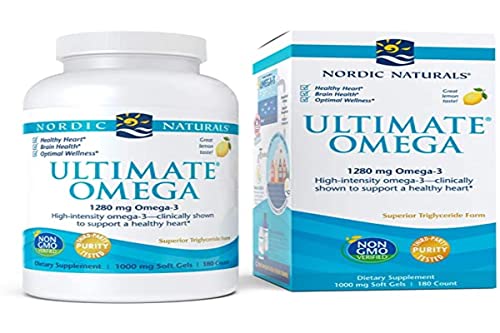
Nordic Naturals Ultimate Omega
Nordic Naturals delivers EPA-dominant omega-3s in the highly absorbable triglyceride form, with industry-leading purity testing. The 650 mg EPA per serving specifically targets inflammatory pathways, making it our top omega-3 choice for inflammation management.
Pros
- + High EPA content ideal for inflammation
- + triglyceride form
- + excellent purity testing
- + no fishy aftertaste
- + sustainable sourcing
Cons
- - Requires 2 soft gels per serving for full dose
Why we included it: Nordic Naturals delivers EPA-dominant omega-3s in the highly absorbable triglyceride form, with industry-leading purity testing. The 650 mg EPA per serving specifically targets inflammatory pathways, making it our top omega-3 choice for inflammation management.
Retailer link opens on Amazon after the review details above
Life Extension
Life Extension 5-LOX Inhibitor with AprèsFlex
Life Extension's boswellia uses the AprèsFlex formulation, clinically shown to improve joint comfort within 5 days. The targeted 5-LOX inhibition makes it particularly effective for osteoarthritis and inflammatory joint conditions.
Pros
- + Clinically studied AprèsFlex formulation
- + potent 5-LOX inhibition
- + affordable
- + well-tolerated
- + targeted mechanism of action
Cons
- - May need 2 capsules daily for full effect
Why we included it: Life Extension's boswellia uses the AprèsFlex formulation, clinically shown to improve joint comfort within 5 days. The targeted 5-LOX inhibition makes it particularly effective for osteoarthritis and inflammatory joint conditions.
Retailer link opens on Amazon after the review details above
NOW Foods
NOW Foods Ginger Root 550mg
NOW Foods delivers reliable, affordable ginger supplementation. While not as concentrated as standardized extracts, this whole herb approach provides the full spectrum of ginger bioactive compounds — gingerols, shogaols, and paradols — at an unbeatable price.
Pros
- + Extremely affordable
- + whole herb formula
- + vegan
- + trusted brand
- + easy to combine with other anti-inflammatory supplements
Cons
- - Not a standardized extract with lower potency than concentrated ginger extracts
Why we included it: NOW Foods delivers reliable, affordable ginger supplementation. While not as concentrated as standardized extracts, this whole herb approach provides the full spectrum of ginger bioactive compounds — gingerols, shogaols, and paradols — at an unbeatable price.
Retailer link opens on Amazon after the review details above
Doctor's Best
Doctor's Best High Absorption Curcumin with C3 Complex and BioPerine
Doctor's Best combines the clinically validated Curcumin C3 Complex with BioPerine piperine for dramatically enhanced absorption. At under $0.25 per capsule, this is the best budget option for curcumin supplementation with clinically relevant bioavailability.
Pros
- + Excellent value
- + clinically studied C3 Complex plus BioPerine combination
- + high curcuminoid content
- + vegan-friendly
- + widely available
Cons
- - Contains piperine which may interact with some medications
Why we included it: Doctor's Best combines the clinically validated Curcumin C3 Complex with BioPerine piperine for dramatically enhanced absorption. At under $0.25 per capsule, this is the best budget option for curcumin supplementation with clinically relevant bioavailability.
Retailer link opens on Amazon after the review details above
Why Is Boswellia Effective for Joint and Respiratory Inflammation?
Boswellia serrata (Indian frankincense) contains boswellic acids — particularly AKBA (acetyl-11-keto-β-boswellic acid) — that specifically and potently inhibit 5-lipoxygenase (5-LOX), an enzyme central to leukotriene production. Clinical trials demonstrate significant improvements in osteoarthritis pain scores and respiratory function within 4–8 weeks of supplementation.
How Should You Supplement with Boswellia?
- Standardized extract: Look for products standardized to 30% or more AKBA content
- Effective dose: 300–500 mg of boswellia extract, 2–3 times daily
- AprèsFlex or 5-Loxin formulations offer enhanced bioavailability
- Take with meals for better absorption
Boswellia combines well with curcumin and omega-3s — this triple combination addresses multiple inflammatory pathways simultaneously for comprehensive anti-inflammatory coverage.
What Other Anti-Inflammatory Herbs Should You Consider?
- Green tea (EGCG) — 250–500 mg EGCG daily reduces NF-κB activation and oxidative stress
- Resveratrol — 150–500 mg daily from Japanese knotweed or grape extracts inhibits COX-2 and inflammatory cytokines
- Garlic (aged garlic extract) — 600–1,200 mg daily reduces CRP and supports immune modulation
- Rosemary (rosmarinic acid) — potent antioxidant with demonstrated COX-2 inhibition
What Tips Maximize the Effectiveness of Natural Anti-Inflammatory Remedies?
To maximize anti-inflammatory results, combine dietary changes with targeted supplementation, maintain consistency for at least 8–12 weeks, and address lifestyle factors like sleep, stress, and movement. Synergistic stacking of multiple natural remedies amplifies benefits beyond what any single approach achieves alone.
- Start with diet first — supplements work best on a foundation of anti-inflammatory eating
- Be patient — natural remedies typically require 4–12 weeks for measurable results, unlike NSAIDs that provide immediate relief
- Combine strategically — curcumin + piperine + omega-3 + boswellia creates multi-pathway coverage
- Prioritize sleep — poor sleep increases IL-6 and CRP; aim for 7–9 hours nightly
- Manage stress — chronic stress elevates cortisol and inflammatory cytokines; incorporate meditation, deep breathing, or yoga
- Move daily — moderate exercise (30 minutes) reduces systemic inflammation; avoid overtraining, which increases it
- Track progress — request CRP and IL-6 blood tests before starting and at 3-month intervals to measure improvement
- Take supplements with meals — fat-soluble compounds (curcumin, omega-3, boswellia) absorb significantly better with dietary fat
Are Natural Anti-Inflammatory Remedies Safe for Long-Term Use?
Most natural anti-inflammatory remedies are safe for long-term use when taken at recommended doses, with side effect profiles significantly milder than NSAIDs. However, certain herbs interact with blood-thinning medications, and high-dose supplementation should be supervised by a healthcare provider.
Important safety considerations:
- Turmeric/curcumin — may increase bleeding risk; discontinue 2 weeks before surgery; avoid with gallbladder disease
- Ginger — generally safe up to 4 g/day; may interact with blood thinners and diabetes medications
- Omega-3 fatty acids — doses above 3 g/day may increase bleeding time; inform your surgeon before procedures
- Boswellia — may interact with anti-inflammatory drugs and blood thinners; avoid during pregnancy
- Green tea extract — high-dose EGCG supplements above 800 mg/day linked to rare liver toxicity; moderate intake is safe
When to seek medical advice:
- If you take prescription blood thinners (warfarin, aspirin, clopidogrel)
- If you have scheduled surgery within 2 weeks
- If you are pregnant or breastfeeding
- If you experience unusual bruising, bleeding, or digestive distress
- If inflammation symptoms worsen despite supplementation
Action Plan
What Is the Best Step-by-Step Action Plan to Reduce Inflammation Naturally?
Follow the sequence below, work through each phase in order, and use the checklist as your practical implementation guide.
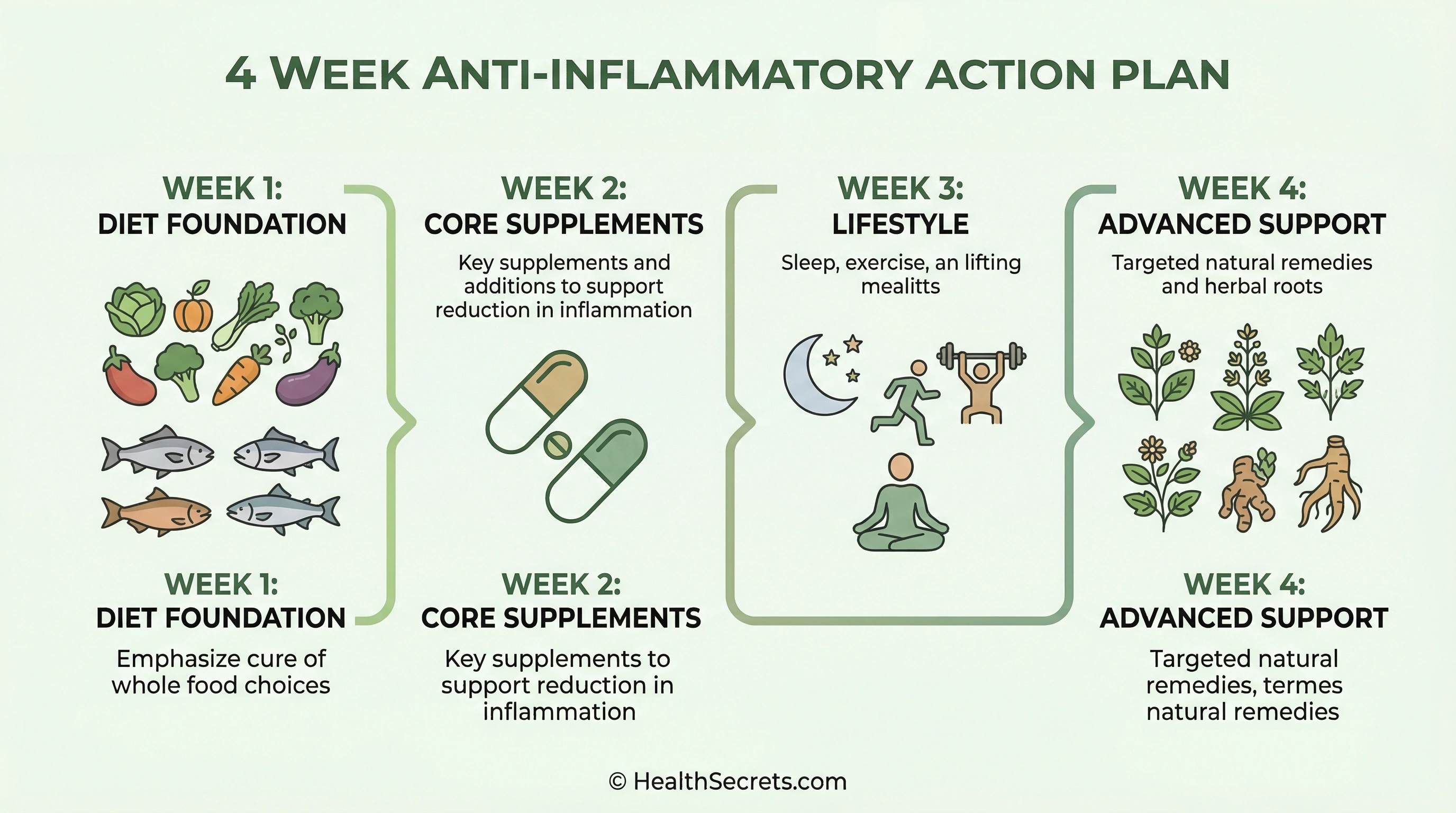
The best action plan starts with foundational dietary changes in Week 1, adds core anti-inflammatory supplements in Week 2, incorporates lifestyle optimizations in Week 3, and introduces advanced herbal support in Week 4. This phased approach prevents overwhelm while building a comprehensive anti-inflammatory protocol.
Week 1 — Foundation: Anti-Inflammatory Diet
- Remove processed foods, refined sugars, and industrial seed oils
- Add 2–3 servings of fatty fish per week
- Incorporate turmeric, ginger, and garlic into daily cooking
- Switch to extra virgin olive oil as primary cooking fat
- Add 5 or more servings of colorful vegetables daily
Week 2 — Core Supplements
- Start curcumin supplement (500–1,000 mg with piperine) daily with meals
- Begin omega-3 fish oil (2,000–3,000 mg EPA/DHA) daily
- Add ginger supplement (500 mg) or fresh ginger tea daily
Week 3 — Lifestyle Optimization
- Establish 7–9 hour sleep schedule
- Add 30 minutes moderate exercise daily
- Begin daily stress management practice (meditation, breathing exercises)
- Reduce alcohol to 3 or fewer servings per week
Week 4 — Advanced Support
- Add boswellia extract (300–500 mg, twice daily) if needed
- Consider green tea extract (250 mg EGCG) or aged garlic extract
- Request baseline CRP and IL-6 blood tests from your doctor
- Reassess at 90 days and adjust protocol based on results

