
You've probably seen them everywhere — detox teas promoted by celebrities on Instagram, foot pads that supposedly turn black from "toxins," and juice cleanses promising to cure everything from fatigue to chronic disease. The detox industry has exploded into a $50+ billion global market, fueled by fear-based marketing and pseudoscientific claims. But here's the thing most of these companies don't want you to know: your body already has a sophisticated detoxification system that works 24 hours a day, 7 days a week — no expensive products required.
The truth is, most commercial detox products are little more than overpriced laxatives, diuretics, or fruit juice with a fancy label. And some of them can genuinely harm your health. A [1] found no compelling evidence to support the use of detox diets for toxin elimination or weight management. The National Center for Complementary and Integrative Health (NCCIH) [2] confirms that detox and cleanse programs have very little credible research behind them.
In this guide, we'll separate fact from fiction by examining the seven biggest detox myths, showing you exactly how your body detoxifies itself naturally, and sharing what the science actually says about supporting healthy detoxification. Whether you've been tempted by a detox tea or are just curious about what actually works, this article will save you money, protect your health, and give you a clear, evidence-based path forward.
For more on how your body's detox pathways actually work, see our complete detox and cleanse guide. If you're specifically concerned about environmental toxins, check out our guide on how to reduce your toxin exposure.
What Are Detox Myths and Why Do They Persist?
Detox myths are widespread misconceptions about the need for commercial products, restrictive diets, or special protocols to "cleanse" or "detoxify" the body. These myths persist because they tap into genuine health anxieties, are amplified by aggressive marketing, and exploit gaps in public understanding of human physiology. The global detox market exceeds $50 billion annually, driven by celebrity endorsements and social media — not by science.
The word "detox" has a legitimate medical meaning. In clinical settings, detoxification refers to treating life-threatening substance withdrawal or using chelation therapy for acute heavy metal poisoning under medical supervision. But the commercial "detox" industry has co-opted this term to sell teas, supplements, foot pads, and juice cleanses that promise to remove vague "toxins" from your body — a claim with almost no scientific backing.
According to MD Anderson Cancer Center, your body does not need a detox program because it is designed to detoxify itself. The NCCIH states [2] that there have been only a small number of studies on detoxification programs, and those that exist have been of low quality with design problems, few participants, or lack of peer review.
Why do people fall for detox marketing?
Several psychological factors drive detox product sales. Fear of invisible toxins creates anxiety. Before-and-after photos exploit cognitive biases. Celebrity endorsements lend false credibility. And the placebo effect — feeling better because you believe you're doing something healthy — reinforces the myth. The reality? When you "feel better" after a cleanse, it's usually because you stopped eating processed food and started paying attention to your diet, not because the product removed toxins.

How big is the detox scam problem?
The Federal Trade Commission (FTC) has taken action against multiple detox product companies for deceptive marketing claims. The FDA does not approve dietary supplements before they hit the market — manufacturers are responsible for their own product safety claims. This regulatory gap means virtually anyone can market a "detox" product with little accountability.
How Does Your Body Actually Detoxify Itself?
Your body runs a sophisticated, multi-organ detoxification system that operates continuously without any help from commercial products. The liver performs two-phase chemical detoxification, your kidneys filter approximately 200 quarts of blood daily, and your colon, lungs, and skin handle the rest. This system evolved over millions of years and works around the clock.
How does the liver detoxify your blood?
The liver is your body's primary detoxification organ, processing toxins through two critical phases. In
Phase I, the cytochrome P450 enzyme family oxidizes, reduces, and hydrolyzes fat-soluble toxins, making them reactive and water-soluble. In
Phase II, conjugation reactions — including glutathione conjugation, sulfation, and glucuronidation — attach molecules to these reactive intermediates, making them safe for excretion through bile or urine. This two-phase system handles everything from medications and alcohol to environmental pollutants and metabolic waste products. Johns Hopkins Medicine confirms that liver cleanses are not recommended and lack clinical evidence.
Supporting nutrients for liver detoxification include glutathione (replenished by NAC supplementation), B vitamins, and sulforaphane from cruciferous vegetables like broccoli and Brussels sprouts.

How do your kidneys filter toxins?
Your kidneys filter approximately 200 quarts of blood every day, removing water-soluble waste products, excess minerals, and toxins like BPA, phthalates, and medication metabolites. This filtered waste is excreted as urine. Adequate hydration (8–10 cups of water daily) is the single most important factor in supporting kidney filtration — no supplement or cleanse product can replace this basic function. The BBC reports that even mild dehydration can reduce kidney waste clearance efficiency over time.
What roles do the colon, lungs, and skin play?
Your colon eliminates solid waste through regular bowel movements (1–3 daily when you're eating adequate fiber). No "sludge" accumulates in a healthy colon — this is a myth perpetuated by the colon cleanse industry. Your lungs exhale carbon dioxide and volatile organic compounds (VOCs) as part of respiratory detoxification. Your skin contributes less than 1% of total toxin excretion through sweat — making it a very minor detox pathway despite what sauna and sweat-based detox programs claim.
What Are the Real Benefits of Evidence-Based Detox Support?
Evidence-based detox support focuses on reducing toxin exposure and supporting your organs' natural function — not replacing them with products. The real benefits include improved liver efficiency, better kidney filtration, enhanced gut elimination, and reduced overall toxic burden. These benefits come from lifestyle changes, not from a bottle.

Does reducing toxin exposure actually make a difference?
Reducing your exposure to environmental toxins is the single most effective detox strategy, according to toxicology research. Switching to cleaner personal care products (check the EWG Skin Deep database), using HEPA air filters, installing activated carbon or reverse osmosis water filters, and choosing organic produce from the EWG Dirty Dozen list can meaningfully lower your body's toxic burden. This is far more effective than any product that claims to "flush" toxins after they've already entered your system.
Can supplements genuinely support liver detoxification?
Yes — a small number of supplements have legitimate research supporting liver health.
NAC (N-Acetyl Cysteine) at 600–1,200 mg daily replenishes glutathione, the body's master antioxidant and a critical component of Phase II liver detoxification.
Milk thistle (silymarin) at 150 mg 2–3 times daily has been shown to protect liver cells. And eating cruciferous vegetables daily provides sulforaphane, which activates Phase II detoxification enzymes. For a deeper dive, read our milk thistle and liver health guide.
Does fiber help with detoxification?
Absolutely. Dietary fiber (25–35 g daily) binds toxins in the gut and prevents their reabsorption through enterohepatic circulation. This is one of the most underappreciated aspects of natural detoxification. Good sources include vegetables, fruits, whole grains, legumes, and psyllium husk. Fiber also supports regular bowel movements, which is the colon's primary job in the detox process.
How do sleep, exercise, and stress management support detoxification?
Sleep (7–9 hours nightly) is essential because the liver performs much of its detoxification work during rest, and the brain's glymphatic system clears metabolic waste during sleep. Regular exercise (150 minutes per week of moderate aerobic activity) improves circulation to support organ function. Chronic stress increases cortisol, which impairs liver function — making stress management through meditation, yoga, or deep breathing a legitimate (and free) detox support strategy.
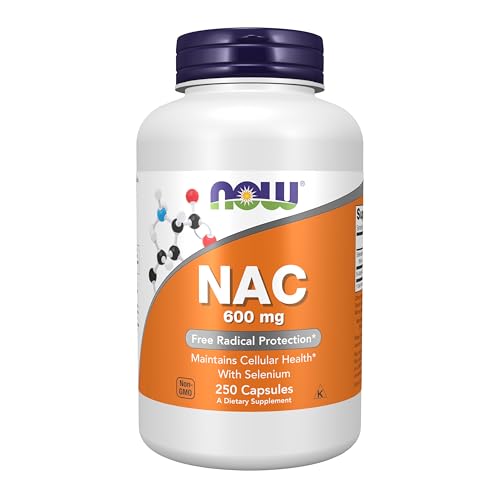
NOW Foods NAC 600mg
Editor's ChoiceNOW Foods · Glutathione replenishment and Phase II liver detoxification support
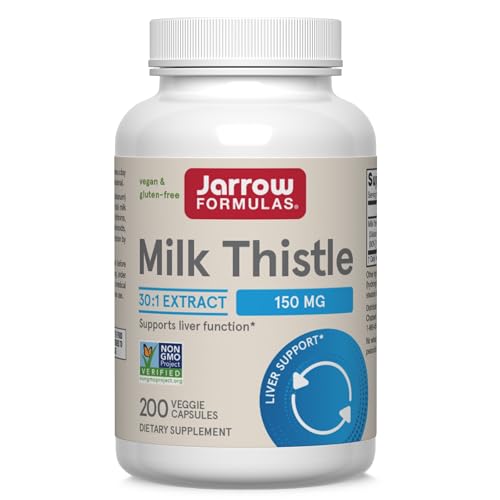
Jarrow Formulas Milk Thistle 150mg
Best for Liver ProtectionJarrow Formulas · Liver cell protection and detoxification pathway support
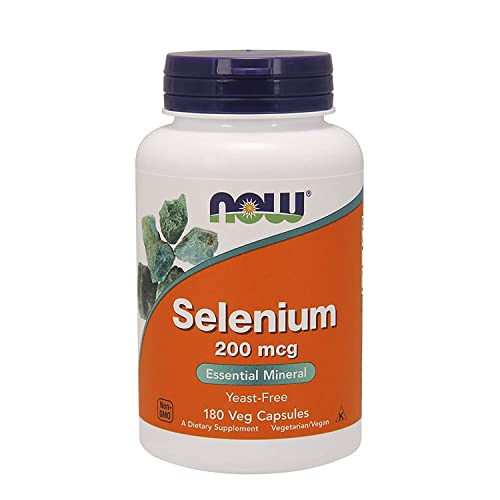
NOW Foods Selenium 200mcg
Best ValueNOW Foods · Antioxidant support and glutathione function

Renew Life Ultimate Flora Extra Care 50 Billion
Best for Gut HealthRenew Life · Gut-liver axis support and toxin absorption reduction
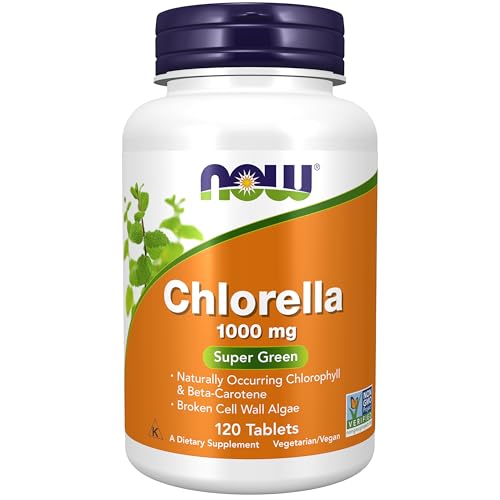
NOW Foods Chlorella 1000mg
Best for Heavy Metal SupportNOW Foods · Binding dietary heavy metals and supporting elimination
Read the detailed review cards below before opening any retailer link
Top Recommended Products
NOW Foods
NOW Foods NAC 600mg
NAC is the most well-researched supplement for replenishing glutathione, the body's master antioxidant and a critical component of Phase II liver detoxification. At 600 mg per capsule, this provides the clinical maintenance dose recommended in research.
Voordelen
- + Clinical dose for glutathione support
- + affordable per-serving cost
- + well-researched for liver health
- + large bottle lasts months
Nadelen
- - May cause mild GI discomfort in some individuals
Waarom we dit hebben opgenomen: NAC is the most well-researched supplement for replenishing glutathione, the body's master antioxidant and a critical component of Phase II liver detoxification. At 600 mg per capsule, this provides the clinical maintenance dose recommended in research.
Retailer-link opent op Amazon na de bovenstaande beoordelingsdetails
Jarrow Formulas
Jarrow Formulas Milk Thistle 150mg
Milk thistle is one of the most well-studied herbs for liver health, with research demonstrating hepatoprotective effects. Jarrow's standardized extract ensures consistent silymarin content at the clinically studied dose.
Voordelen
- + Standardized to 80% silymarin for consistent potency
- + extensive research supporting liver protection
- + affordable
- + large bottle
Nadelen
- - Requires 2–3 capsules daily for therapeutic dose
Waarom we dit hebben opgenomen: Milk thistle is one of the most well-studied herbs for liver health, with research demonstrating hepatoprotective effects. Jarrow's standardized extract ensures consistent silymarin content at the clinically studied dose.
Retailer-link opent op Amazon na de bovenstaande beoordelingsdetails
NOW Foods
NOW Foods Selenium 200mcg
Selenium is an essential cofactor for glutathione peroxidase, one of the body's key antioxidant enzymes. At 200 mcg, this provides the dose most commonly used in clinical research for antioxidant and detox support.
Voordelen
- + Bioavailable selenomethionine form
- + supports glutathione function
- + very affordable
- + six-month supply
Nadelen
- - Should not exceed 400 mcg daily from all sources
Waarom we dit hebben opgenomen: Selenium is an essential cofactor for glutathione peroxidase, one of the body's key antioxidant enzymes. At 200 mcg, this provides the dose most commonly used in clinical research for antioxidant and detox support.
Retailer-link opent op Amazon na de bovenstaande beoordelingsdetails
Renew Life
Renew Life Ultimate Flora Extra Care 50 Billion
The gut-liver axis is a critical but often overlooked pathway in detoxification. A healthy gut microbiome reduces toxin absorption and supports elimination. This high-potency probiotic delivers 50 billion CFU with delayed-release technology.
Voordelen
- + High CFU count with diverse strains
- + delayed-release technology
- + supports gut-liver axis
- + no refrigeration needed
Nadelen
- - Higher price point
- - one-month supply per bottle
Waarom we dit hebben opgenomen: The gut-liver axis is a critical but often overlooked pathway in detoxification. A healthy gut microbiome reduces toxin absorption and supports elimination. This high-potency probiotic delivers 50 billion CFU with delayed-release technology.
Retailer-link opent op Amazon na de bovenstaande beoordelingsdetails
NOW Foods
NOW Foods Chlorella 1000mg
Chlorella has research supporting its ability to bind heavy metals in the digestive tract, preventing absorption. The broken cell wall technology improves digestibility and bioavailability of its nutrients.
Voordelen
- + Broken cell wall enhances nutrient absorption
- + evidence for heavy metal binding in the gut
- + also provides chlorophyll and nutrients
- + affordable
Nadelen
- - Tablets are large
- - mild green taste
Waarom we dit hebben opgenomen: Chlorella has research supporting its ability to bind heavy metals in the digestive tract, preventing absorption. The broken cell wall technology improves digestibility and bioavailability of its nutrients.
Retailer-link opent op Amazon na de bovenstaande beoordelingsdetails
Are There Risks and Side Effects from Popular Detox Products?
Yes — many popular detox products carry real health risks ranging from laxative dependency and electrolyte imbalances to microbiome disruption and delayed medical treatment. The irony is that products marketed as health-promoting can actually harm the very organs they claim to help. Understanding these risks is essential for consumer protection.

Why are detox teas dangerous?
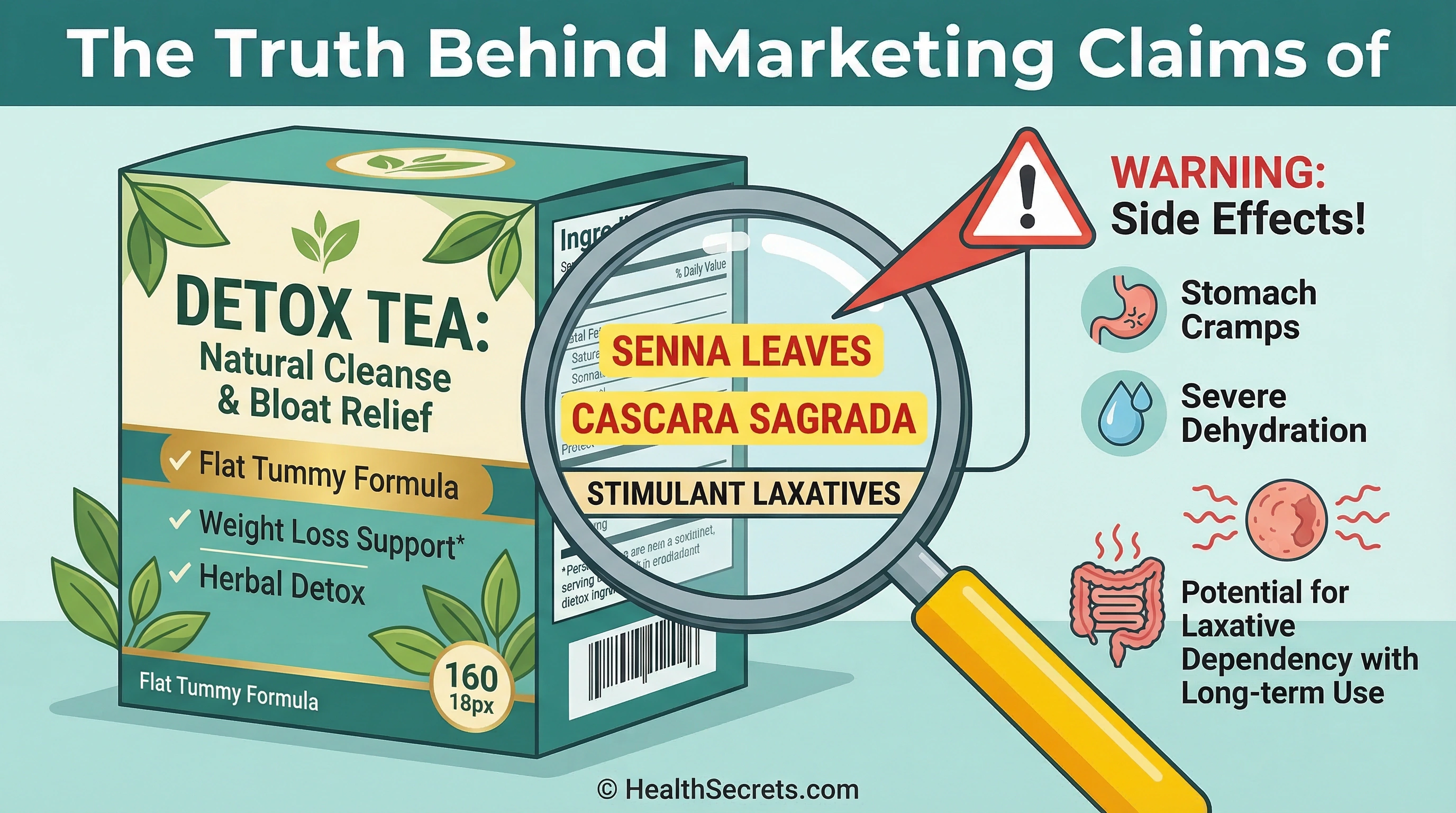
Most detox teas contain senna or cascara sagrada — stimulant laxatives that trigger bowel contractions. According to WebMD [6] and the [5], senna is only safe for short-term use (up to one week). Long-term use causes laxative dependency (the bowel stops functioning normally without them), electrolyte depletion (potassium and sodium loss from chronic diarrhea), and even liver damage in severe cases. Brown University Health warns that detox teas cause fluid loss that mimics weight loss — but it's water weight that returns immediately upon rehydration, not fat loss.
Do detox foot pads actually remove toxins?
No. Detox foot pads contain ingredients like wood vinegar and tourmaline that oxidize when exposed to moisture from sweat, turning brown or black. This color change is a chemical reaction, not evidence of toxin removal. Harvard Health confirms there is no scientific evidence that ionic changes can stimulate toxin discharge through the feet. The skin accounts for less than 1% of total toxin excretion, and the feet are not a significant excretory pathway. These products are a marketing scam — expensive ($20–50 per box) and completely ineffective.
Can juice cleanses harm your health?
Yes. A [9] found that a juice-only diet can alter mouth and gut bacteria associated with inflammation and cognitive decline in as few as three days. Juice cleanses lack adequate protein (leading to muscle breakdown, not fat loss), cause blood sugar spikes from concentrated fruit sugars without fiber, and provide insufficient essential nutrients. [11] that juice cleanses don't provide enough nutrition and any weight lost is regained once normal eating resumes. A [13] even documented oxalate nephropathy (kidney damage) from a prolonged juicing fast.
Why are colon cleanses unnecessary and risky?
Your colon eliminates waste naturally — there is no scientific basis for the claim that waste "builds up" and requires cleansing. Colonics and enemas carry real risks: disrupting the gut microbiome by flushing beneficial bacteria, causing electrolyte imbalances from fluid loss, and in rare cases, bowel perforation (a medical emergency). For healthy elimination, all you need is adequate fiber (25–35 g daily) and hydration (8–10 cups of water daily). For more on supporting gut health naturally, see our gut detox protocol.
Why is the claim that "detox cures disease" dangerous?
This is perhaps the most harmful detox myth. No scientific evidence supports the claim that detox products cure cancer, autoimmune disease, or any chronic illness. UChicago Medicine states that if detox supplements had real benefits, doctors would know about them and drug companies would be making trillions. Promoting detox as a disease cure is dangerous because it gives false hope and delays proven medical treatments — allowing diseases to progress.
How Can You Separate Detox Fact from Fiction?
The most reliable way to evaluate any detox claim is to look for peer-reviewed scientific evidence, check for FDA warnings, and apply critical thinking to marketing claims. If a product promises rapid results, uses testimonials instead of studies, or relies on proprietary blends with undisclosed ingredients, it's almost certainly a scam. Here's a practical framework for protecting yourself.

What are the biggest red flags of a detox scam?
Watch out for these warning signs:
- Claims of rapid weight loss (more than 2 lbs per week) — this is unsustainable and represents water or muscle loss, not fat loss
- Claims to cure disease — no detox product cures cancer, autoimmune conditions, or chronic illness
- "Removes all toxins" — biologically impossible; your liver and kidneys detoxify continuously and no product replaces organ function
- Expensive products ($50–200+) with proprietary blends that don't disclose ingredient amounts
- Reliance on testimonials and celebrity endorsements instead of peer-reviewed research
- Before-and-after photos — these are typically manipulated through lighting, angles, and timing around water weight fluctuations
When is supporting detoxification actually beneficial?
There are legitimate scenarios where supporting your body's natural detoxification makes sense:
- After occupational toxin exposure (construction, manufacturing, agriculture)
- Environmental exposure (contaminated water, air pollution, mold)
- Supporting liver and kidney health through evidence-based supplements and lifestyle changes
- Making sustainable lifestyle changes to reduce ongoing toxin exposure
However, this is about supporting organ function — not replacing medical treatment. If you suspect significant toxin exposure, see a doctor.
What Diet and Lifestyle Changes Support Real Detoxification?
The most effective approach to supporting your body's natural detoxification combines reducing toxin exposure with nutrient-dense foods, adequate hydration, quality sleep, regular exercise, and stress management. These are sustainable, evidence-based strategies — not a one-time cleanse. Real detoxification is a lifestyle, not a product.

What foods support detoxification?
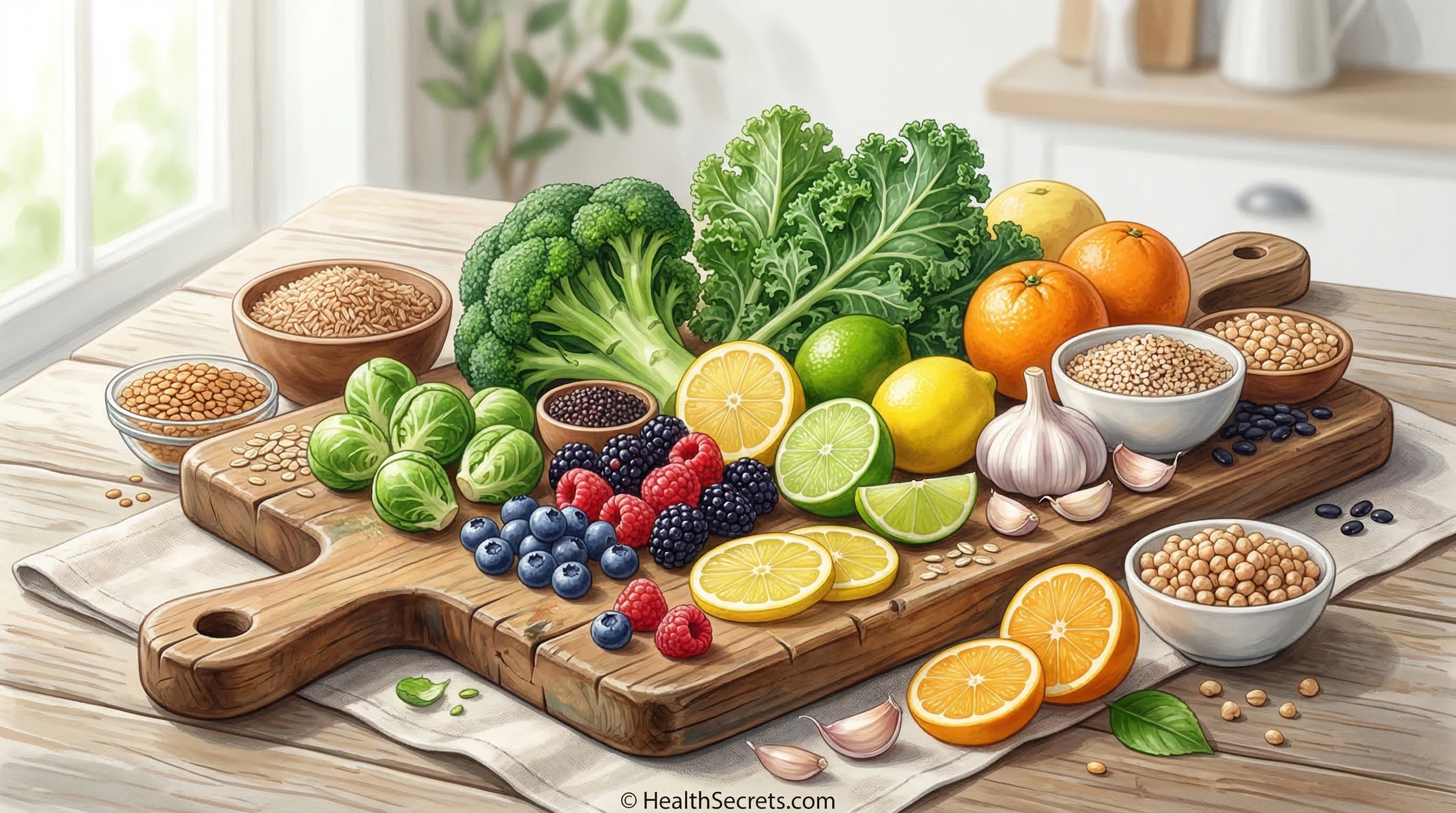
- Cruciferous vegetables (broccoli, Brussels sprouts, kale, cabbage) — contain sulforaphane that activates Phase II liver detoxification enzymes
- Fiber-rich foods (25–35 g daily from vegetables, fruits, whole grains, legumes) — bind toxins in the gut, prevent reabsorption
- Antioxidant-rich foods (berries, leafy greens, citrus) — support glutathione production and neutralize free radicals
- Adequate protein — provides amino acids for Phase II conjugation reactions (glycine, taurine, glutamine)
- Hydration (8–10 cups of water daily) — supports kidney filtration and toxin excretion
What supplements have evidence for detox support?
- NAC (N-Acetyl Cysteine): 600–1,200 mg daily — replenishes glutathione, the body's master antioxidant critical for Phase II detoxification
- Milk thistle (Silymarin): 150 mg 2–3x daily — protects liver cells and supports detoxification pathways
- Selenium: 200 mcg daily — supports glutathione function
- Vitamin C: 500–1,000 mg daily — antioxidant support
- Probiotics: 10–50 billion CFU daily — support gut health and the gut-liver axis, reducing toxin absorption
For a comprehensive guide to glutathione and its role in detoxification, see our glutathione master antioxidant guide.
What lifestyle habits make the biggest difference?
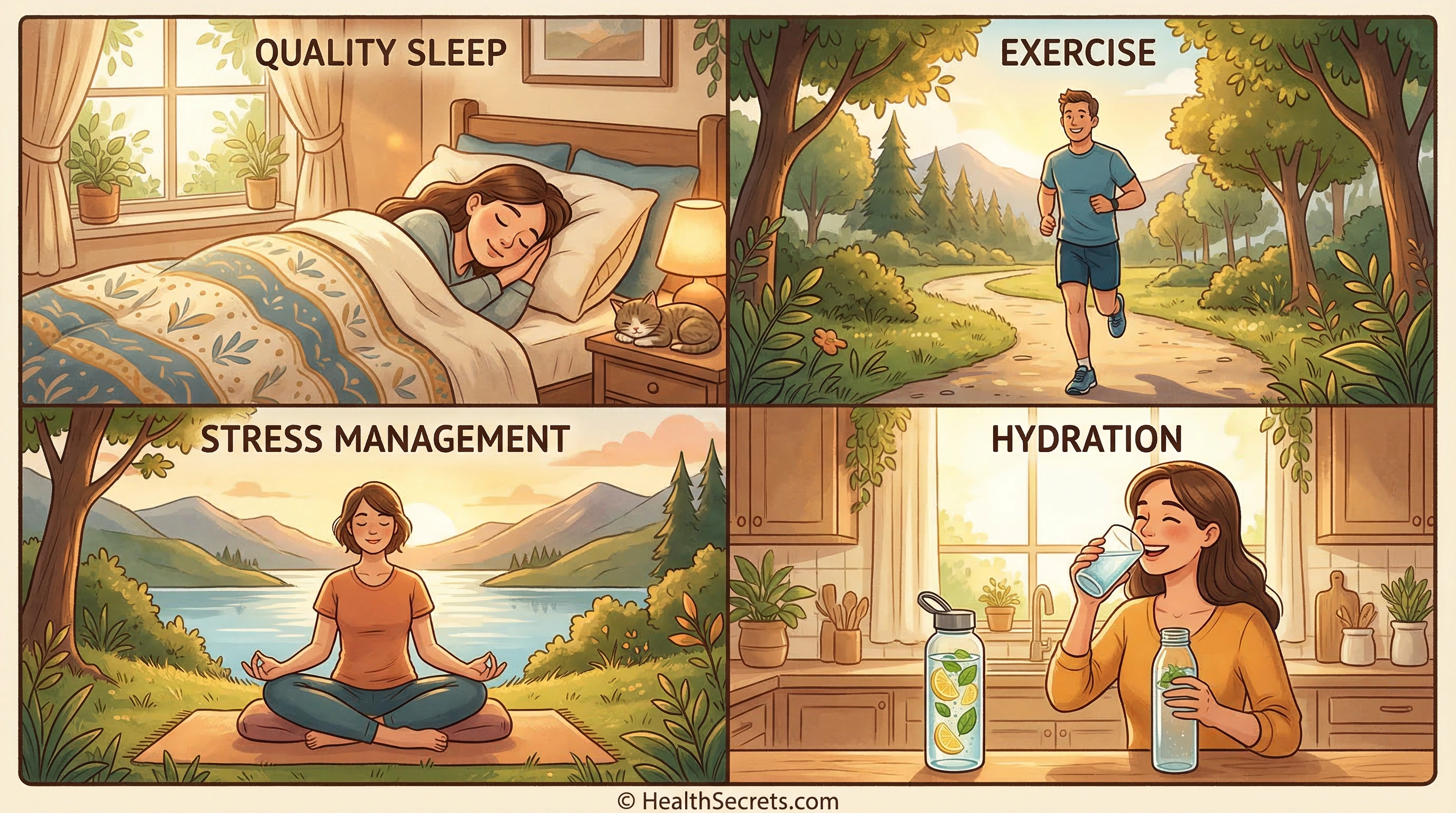
- Sleep 7–9 hours on a consistent schedule — the liver detoxifies during sleep, and the brain's glymphatic system clears waste
- Exercise 150 minutes per week — moderate aerobic activity improves circulation and supports organ function
- Manage stress — chronic stress increases cortisol, which impairs liver function; try meditation (20 min daily), yoga (3–5x/week), or deep breathing exercises
- Reduce exposure — switch to clean personal care products, use air and water filters, choose organic produce when possible
For more on activated charcoal as a legitimate (and limited) detox tool, see our activated charcoal detox guide.
Action Plan
What Should You Do First to Detox the Evidence-Based Way?
Follow the sequence below, work through each phase in order, and use the checklist as your practical implementation guide.
Start by eliminating ineffective products from your routine, then focus on reducing exposure and supporting your body's natural systems. This phased approach is sustainable, affordable, and backed by science — unlike any commercial detox program. You can begin seeing benefits within the first week.
Phase 1 — This Week: Assess and Eliminate
- Stop any detox teas, foot pads, or cleanse products you're currently using
- Audit your personal care products using the EWG Skin Deep database
- Increase water intake to 8–10 cups daily
- Add one serving of cruciferous vegetables daily
Phase 2 — Weeks 2–4: Build the Foundation
- Increase fiber to 25–35 g daily from whole foods
- Consider NAC (600 mg daily) for glutathione support
- Establish consistent sleep schedule (7–9 hours)
- Start or maintain 150 min/week of moderate exercise
Phase 3 — Month 2+: Optimize and Maintain
- Install HEPA air filter and activated carbon water filter
- Switch to organic produce for EWG Dirty Dozen items
- Add milk thistle (150 mg silymarin 2–3x daily) if desired
- Establish daily stress management practice (meditation, yoga, or deep breathing)
- Maintain as ongoing lifestyle — not a one-time cleanse


