Anxiety is one of those things that sneaks up on you. One minute you're fine — the next, your chest is tight, your thoughts are racing, and you can't quite pin down why. If that sounds familiar, you're far from alone. Roughly 40 million adults in the U.S. deal with anxiety disorders every year, making it the most common mental health condition in the country.
Here's the thing, though. A lot of people are looking beyond prescriptions for relief. And honestly? There's a growing body of research showing that certain natural remedies for anxiety — supplements, breathing techniques, lifestyle shifts — can genuinely help. Not as replacements for professional care when it's needed, but as real, evidence-based tools you can add to your toolkit.
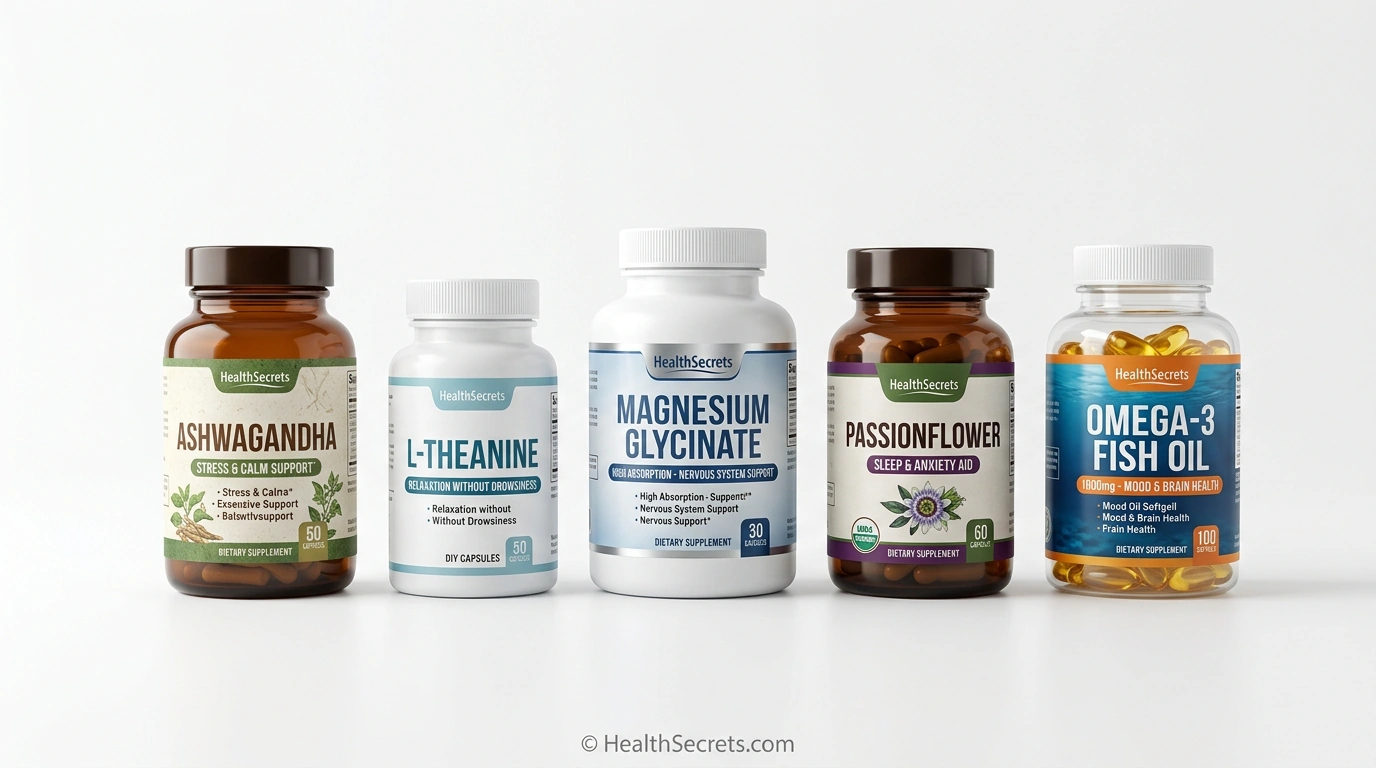
In this guide, you'll learn exactly how to calm your mind naturally — step by step. We'll cover the top supplements backed by clinical trials (ashwagandha, L-theanine, magnesium, passionflower, lavender, CBD), breathing techniques you can use right now, and the lifestyle changes that make the biggest difference. You'll also learn what's safe to combine, what to watch out for, and when it's time to talk to a professional.
Let's get into it.
What Do You Need to Know Before Trying Natural Anxiety Remedies?
Before reaching for any supplement or technique, it helps to understand what anxiety actually is, whether your situation calls for natural remedies or professional care, and what kind of timeline to expect. Most natural approaches take 2–8 weeks for full effects, and they work best for mild-to-moderate anxiety alongside healthy lifestyle habits.
What Causes Anxiety at the Biochemical Level?
Anxiety isn't just "being worried." It involves real biochemical shifts — imbalances in neurotransmitters like
GABA (your brain's calming chemical), serotonin, and dopamine. Chronic stress dysregulates the
HPA axis (hypothalamic-pituitary-adrenal axis), keeping your body in a constant fight-or-flight state. Emerging research also links anxiety to gut-brain axis disruption, chronic inflammation, and nutrient deficiencies — particularly magnesium, B vitamins, and omega-3 fatty acids.

When Should You Seek Professional Help Instead?
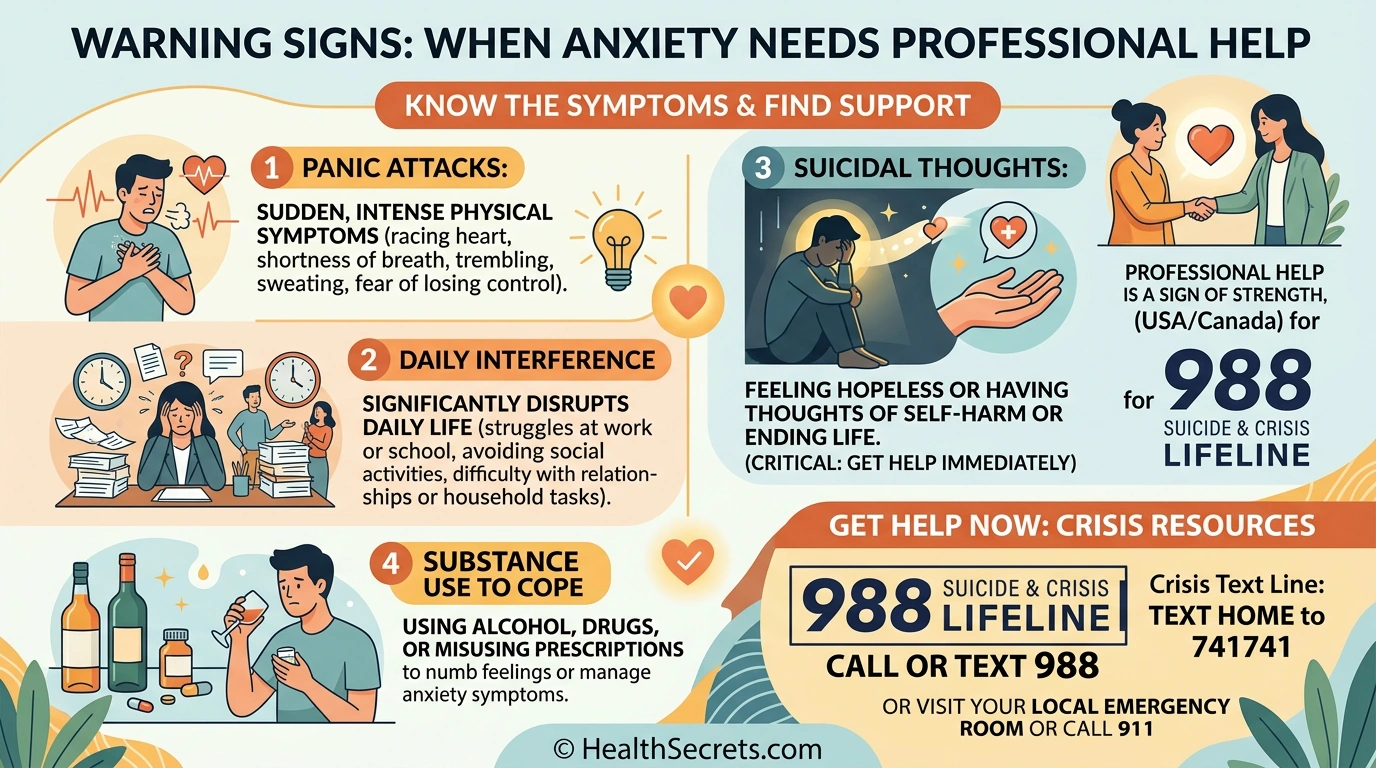
Natural remedies are appropriate for mild-to-moderate anxiety. But certain situations call for professional care:
- Panic attacks or debilitating anxiety episodes
- Suicidal thoughts — call 988 immediately or go to the nearest ER
- Anxiety interfering with work, relationships, or daily functioning
- No improvement after 4–8 weeks of consistent self-help efforts
- Using alcohol or drugs to cope
- Trauma history that may need specialized therapy (EMDR, CPT)
Cognitive behavioral therapy (CBT) remains the gold standard for anxiety disorders, and combining therapy with natural remedies often produces the best outcomes.
How Do You Use Ashwagandha for Anxiety Relief?
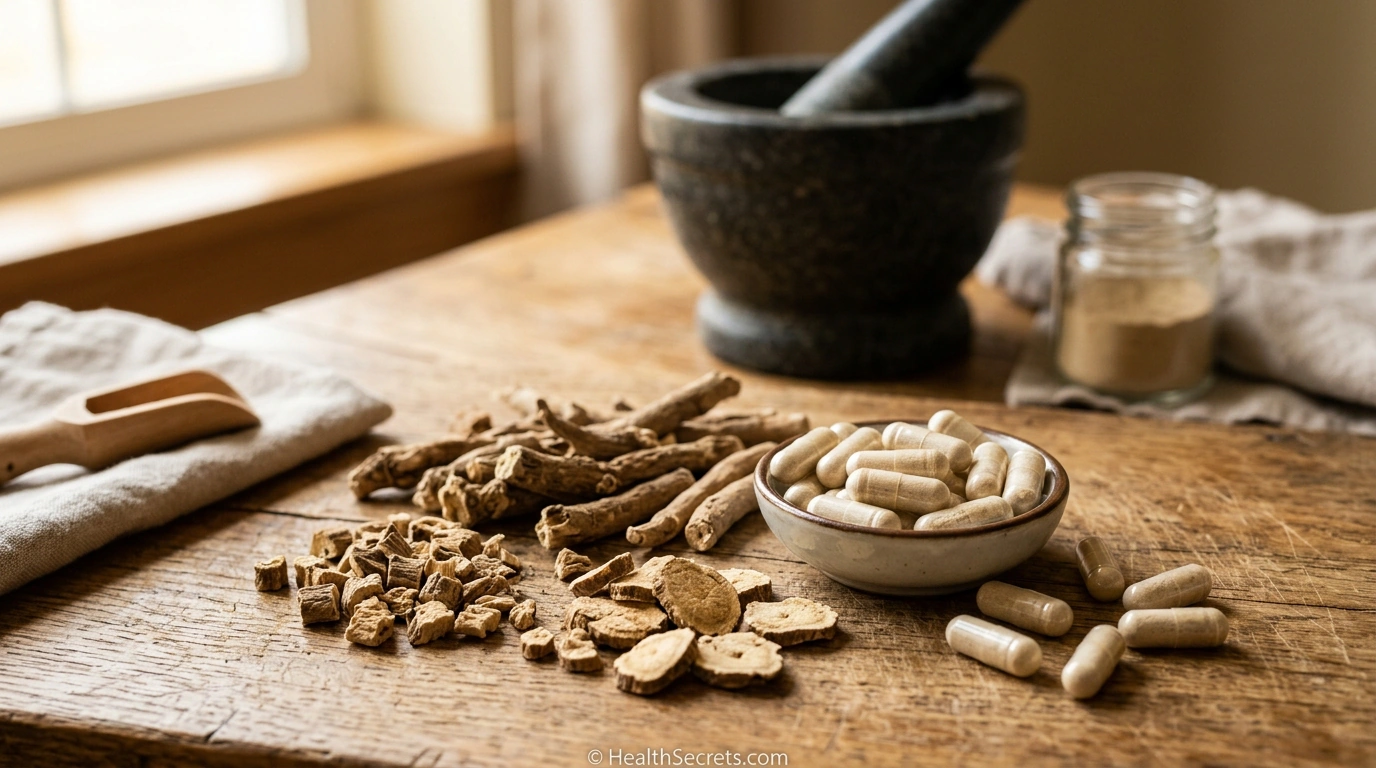
Ashwagandha (Withania somnifera) is one of the most clinically studied anti-anxiety herbs available. A 2024 meta-analysis of 22 RCTs involving 1,391 adults found it significantly reduces stress, anxiety, and depression — with lower doses (≤500mg/day) and longer use (>8 weeks) showing greater benefits.
This adaptogenic herb works through several mechanisms. It reduces cortisol by up to 30%, modulates GABA receptors (your brain's primary calming pathway), and has anti-inflammatory and neuroprotective effects. A 2023 study in Medicine confirmed that ashwagandha root extract with 2.5% withanolides effectively improved stress and anxiety by reducing cortisol and increasing serotonin.
How to take it:
- Dose: 300–600mg/day of standardized extract (look for KSM-66 or 5%+ withanolides)
- Timing: Divided into two doses — morning and evening, with food
- Timeline: Initial effects in 2–4 weeks; full benefits by 6–8 weeks
- Duration: Safe for long-term daily use (months to years)
Safety notes: Generally well-tolerated. Rare side effects include mild digestive upset and drowsiness.
Avoid if: pregnant/breastfeeding, hyperthyroid (may increase thyroid hormones), or taking sedatives, thyroid medications, or immunosuppressants without medical guidance. Stop 2 weeks before surgery.
How Does L-Theanine Create Calm Without Drowsiness?
L-theanine is an amino acid found naturally in green tea that produces what researchers call "alert calmness" — relaxation without sedation. It crosses the blood-brain barrier within 30 minutes, increases GABA, serotonin, and dopamine, and promotes alpha brain waves associated with relaxed focus.
A randomized controlled trial in 30 healthy adults found that 200mg/day of L-theanine for four weeks reduced anxiety, depressive mood, and sleep latency — with no serious adverse events. Unlike benzodiazepines, L-theanine carries no risk of dependency or tolerance, and it doesn't impair cognitive performance. In fact, it improves it.
How to take it:
- Dose: 200–400mg/day for ongoing support; 200mg as needed for acute anxiety (30–60 min before stressful events)
- Timing: Morning, afternoon, or as needed — flexible because it doesn't cause drowsiness
- With caffeine: 100mg L-theanine per 100mg caffeine smooths out jitters (the "green tea effect")
- Timeline: Fast-acting — effects within 30–60 minutes
Safety notes: Excellent safety profile. Minimal side effects (rare mild headache). No drowsiness, no dependency. Safe to combine with most supplements. Caution with very low blood pressure.
Pregnant/breastfeeding — likely safe but insufficient data for formal recommendation.
Could Magnesium Be the Missing Piece for Your Anxiety?
Magnesium deficiency affects up to 50% of the population — and low magnesium is directly linked to increased anxiety. This essential mineral regulates GABA, modulates the HPA stress axis, relaxes muscles, and has anti-inflammatory and neuroprotective effects. A 2024 systematic review found that supplemental magnesium is "likely useful in the treatment of mild anxiety and insomnia, particularly in those with low magnesium status."
How to take it:
Dose: 300–400mg/day of elemental magnesium
Best forms: Magnesium glycinate (best for anxiety/sleep, gentle on stomach), threonate (crosses blood-brain barrier, cognitive benefits), or citrate (good absorption, may have laxative effect).
Avoid magnesium oxide — poor absorption - Timing: Evening (promotes relaxation and sleep) - With food: Reduces digestive upset - Combine with vitamin B6 for enhanced absorption
Safety notes: Generally safe. Start low and increase gradually to minimize GI side effects.
Caution with: kidney disease (consult doctor), antibiotics and bisphosphonates (take 2–3 hours apart), diuretics, and muscle relaxants.
Food sources: Dark leafy greens, almonds, pumpkin seeds, dark chocolate, avocado — though supplementation is often needed to reach therapeutic levels if you're deficient.
Which Herbal Remedies Have the Strongest Evidence for Anxiety?
Beyond the big three (ashwagandha, L-theanine, magnesium), several herbal remedies have meaningful clinical evidence for anxiety relief. Passionflower, lavender, and chamomile each target different pathways — and some have performed comparably to pharmaceutical anxiolytics in clinical trials.
Does Passionflower Really Work as Well as Anti-Anxiety Medication?
A landmark double-blind trial compared passionflower extract (45 drops/day) to oxazepam (a benzodiazepine) in 36 patients with generalized anxiety disorder. Both were equally effective — but passionflower caused significantly less job performance impairment. It works by increasing GABA activity, producing mild anxiolytic and sedative effects.
- Dose: 300–500mg extract, 1–3x daily, or as tea (1–2 tsp dried herb per cup)
- Caution: May cause drowsiness. Avoid with sedatives, MAO inhibitors, blood thinners, and during pregnancy.
How Does Lavender Oil Reduce Anxiety?
Oral lavender oil (Silexan, 80–160mg/day) has been shown to be as effective as lorazepam (Ativan) for generalized anxiety in clinical trials, with an anxiolytic effect superior to placebo across 221 patients. Aromatherapy also reduces anxiety — diffuse 3–5 drops, apply diluted to pulse points, or add to a warm bath.
- Dose: 80–160mg/day oral (Silexan preparation) or aromatherapy
- Caution: May enhance sedatives. Dilute essential oil for topical use.
Is Chamomile Effective for Mild Anxiety?
Chamomile binds to GABA receptors and provides gentle, cumulative anxiety relief. It's best suited for mild anxiety and daily calming.
Dose: 1–4 cups of tea daily or 400–1,600mg extract. Very safe for long-term use.
How Can Breathing Techniques Provide Immediate Anxiety Relief?
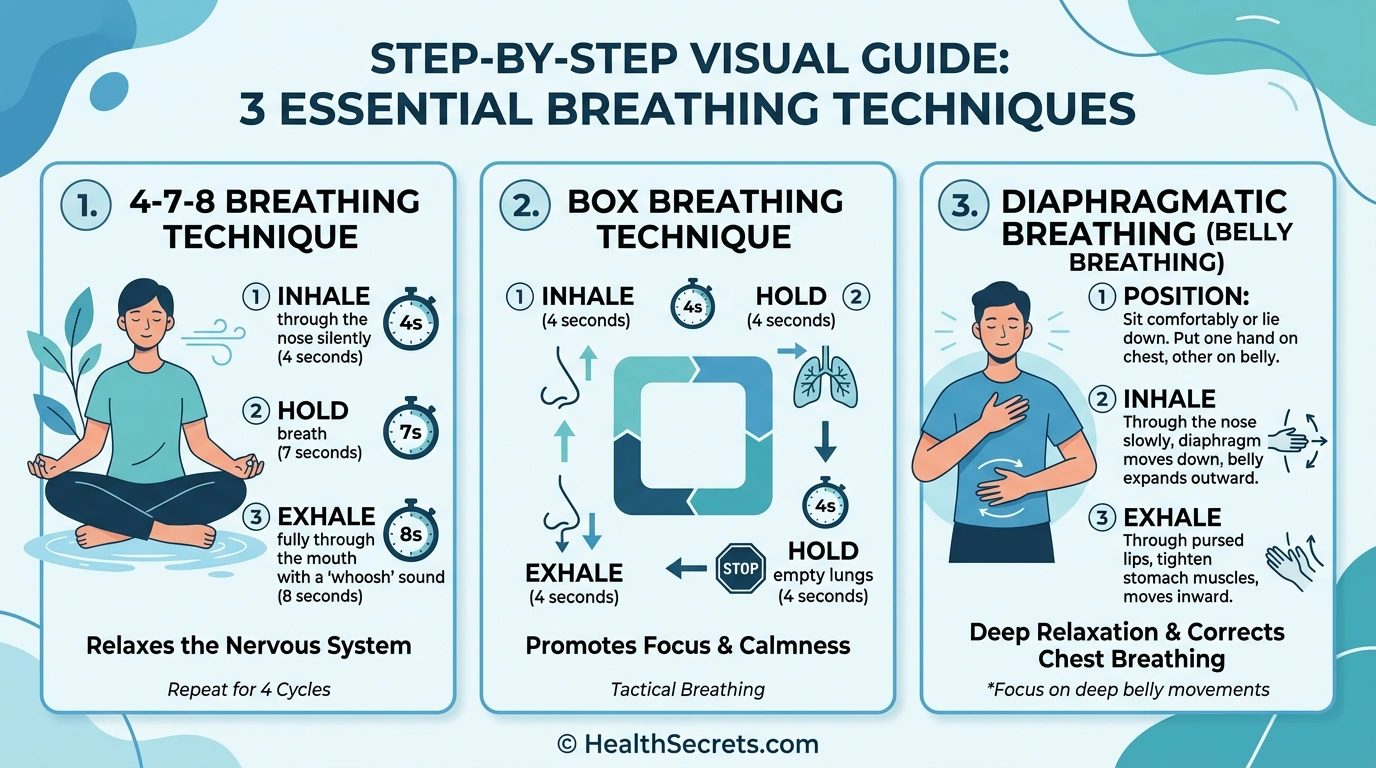
Breathing techniques are free, always available, and backed by solid research. Slow, controlled breathing activates the parasympathetic nervous system via the vagus nerve — shifting your body from fight-or-flight into rest-and-digest mode within minutes.
4-7-8 Breathing (Dr. Andrew Weil)
- Exhale completely through your mouth
- Inhale through your nose for 4 counts
- Hold your breath for 7 counts
- Exhale through your mouth for 8 counts
- Repeat 4 times
Best for: Falling asleep, acute anxiety, panic attacks.
Box Breathing (Used by Navy SEALs)
- Inhale for 4 counts
- Hold for 4 counts
- Exhale for 4 counts
- Hold for 4 counts
- Repeat for 5–10 minutes
Best for: Stress, anxiety, focus and centering.
Diaphragmatic Breathing
- Place one hand on your belly
- Breathe deeply so your belly rises (not your chest)
- Slow, steady breaths — 5–10 minutes
- Practice 2–3x daily for cumulative benefits
Best for: General anxiety, chronic stress, daily practice.
A 2023 systematic review confirmed that breathing practices supporting greater parasympathetic tone can effectively counterbalance the high sympathetic activity associated with stress and anxiety.
KSM-66 Ashwagandha Root Extract
Editor's ChoiceKSM-66 Ashwagandha · Chronic stress, anxiety, cortisol reduction
NOW Supplements L-Theanine 200mg
Best for Fast ReliefNOW Supplements · Acute anxiety, calm focus, stress before events
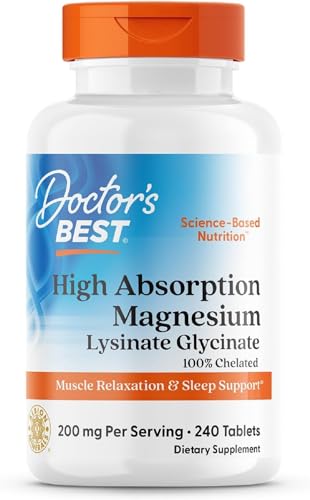
Doctor's Best High Absorption Magnesium Glycinate
Best for Anxiety + SleepDoctor's Best · Magnesium deficiency, anxiety, muscle tension, sleep
Oregon's Wild Harvest Passionflower
Best Herbal AnxiolyticOregon's Wild · Generalized anxiety, nervous tension, sleep support
Nature's Way Lavender Essential Oil
Best for AromatherapyNature's Way · Immediate calming, sleep support, aromatherapy
Nordic Naturals Ultimate Omega (High EPA)
Best Anti-Inflammatory SupportNordic Naturals · Anxiety with inflammation, mood support, brain health
Marpac Dohm Classic White Noise Machine
Best Sleep Tool for AnxietyMarpac Dohm · Anxiety-related insomnia, racing thoughts at bedtime
Read the detailed review cards below before opening any retailer link
Top Recommended Products
KSM-66 Ashwagandha
KSM-66 Ashwagandha Root Extract
KSM-66 is the most researched ashwagandha extract with clinical trials showing 40–50% anxiety reduction and up to 30% cortisol decrease.
Kelebihan
- + Most clinically studied ashwagandha extract
- + 22+ RCTs support efficacy
- + 5% withanolide standardization
Kekurangan
- - Takes 2–4 weeks for noticeable effects
- - not suitable for hyperthyroid conditions
Mengapa kami menyertakannya: KSM-66 is the most researched ashwagandha extract with clinical trials showing 40–50% anxiety reduction and up to 30% cortisol decrease.
Tautan pengecer akan membuka Amazon setelah detail ulasan di atas
NOW Supplements
NOW Supplements L-Theanine 200mg
Suntheanine is the most studied L-theanine form, shown to promote alpha brain waves and reduce anxiety without impairment.
Kelebihan
- + Fast-acting within 30–60 minutes
- + no drowsiness or dependency
- + excellent safety profile
Kekurangan
- - Effects are subtle — not a strong sedative
- - may need higher dose for severe anxiety
Mengapa kami menyertakannya: Suntheanine is the most studied L-theanine form, shown to promote alpha brain waves and reduce anxiety without impairment.
Tautan pengecer akan membuka Amazon setelah detail ulasan di atas
Doctor's Best
Doctor's Best High Absorption Magnesium Glycinate
Magnesium glycinate is the preferred form for anxiety and sleep — highly bioavailable without the laxative effect of citrate or oxide.
Kelebihan
- + Glycinate form is best tolerated
- + doesn't cause GI upset
- + dual benefit for anxiety and sleep
Kekurangan
- - Need 2 tablets per serving
- - may need higher dose if severely deficient
Mengapa kami menyertakannya: Magnesium glycinate is the preferred form for anxiety and sleep — highly bioavailable without the laxative effect of citrate or oxide.
Tautan pengecer akan membuka Amazon setelah detail ulasan di atas
Oregon's Wild
Oregon's Wild Harvest Passionflower
Passionflower is one of the few herbs that has matched pharmaceutical anxiolytics in a head-to-head clinical trial.
Kelebihan
- + Clinical evidence comparable to benzodiazepines for GAD
- + organic whole herb
- + gentle yet effective
Kekurangan
- - May cause drowsiness
- - not for use with MAO inhibitors or sedatives
Mengapa kami menyertakannya: Passionflower is one of the few herbs that has matched pharmaceutical anxiolytics in a head-to-head clinical trial.
Tautan pengecer akan membuka Amazon setelah detail ulasan di atas
Nature's Way
Nature's Way Lavender Essential Oil
Lavender aromatherapy reduces anxiety across multiple clinical settings, and it's one of the easiest remedies to start using today.
Kelebihan
- + Immediate calming effect
- + versatile (diffuse
- + topical
- + bath)
- + research-backed anxiolytic
Kekurangan
- - Aromatherapy effects are temporary
- - oral lavender (Silexan) is more studied but harder to find
Mengapa kami menyertakannya: Lavender aromatherapy reduces anxiety across multiple clinical settings, and it's one of the easiest remedies to start using today.
Tautan pengecer akan membuka Amazon setelah detail ulasan di atas
Nordic Naturals
Nordic Naturals Ultimate Omega (High EPA)
Meta-analyses show omega-3s (especially EPA) reduce anxiety, particularly when inflammation is present. Nordic Naturals is consistently top-rated for purity.
Kelebihan
- + High EPA for mood/anxiety
- + IFOS certified purity
- + triglyceride form absorbs better than ethyl ester
Kekurangan
- - Requires 2 softgels/day
- - takes 4–12 weeks for anti-inflammatory effects
Mengapa kami menyertakannya: Meta-analyses show omega-3s (especially EPA) reduce anxiety, particularly when inflammation is present. Nordic Naturals is consistently top-rated for purity.
Tautan pengecer akan membuka Amazon setelah detail ulasan di atas
Marpac Dohm
Marpac Dohm Classic White Noise Machine
Sleep disruption worsens anxiety significantly. A consistent sound environment helps anxious minds settle at bedtime.
Kelebihan
- + Masks intrusive thoughts and environmental noise
- + no screens or apps needed
- + promotes sleep onset
Kekurangan
- - Not a supplement — addresses sleep symptom only
- - requires power outlet
Mengapa kami menyertakannya: Sleep disruption worsens anxiety significantly. A consistent sound environment helps anxious minds settle at bedtime.
Tautan pengecer akan membuka Amazon setelah detail ulasan di atas
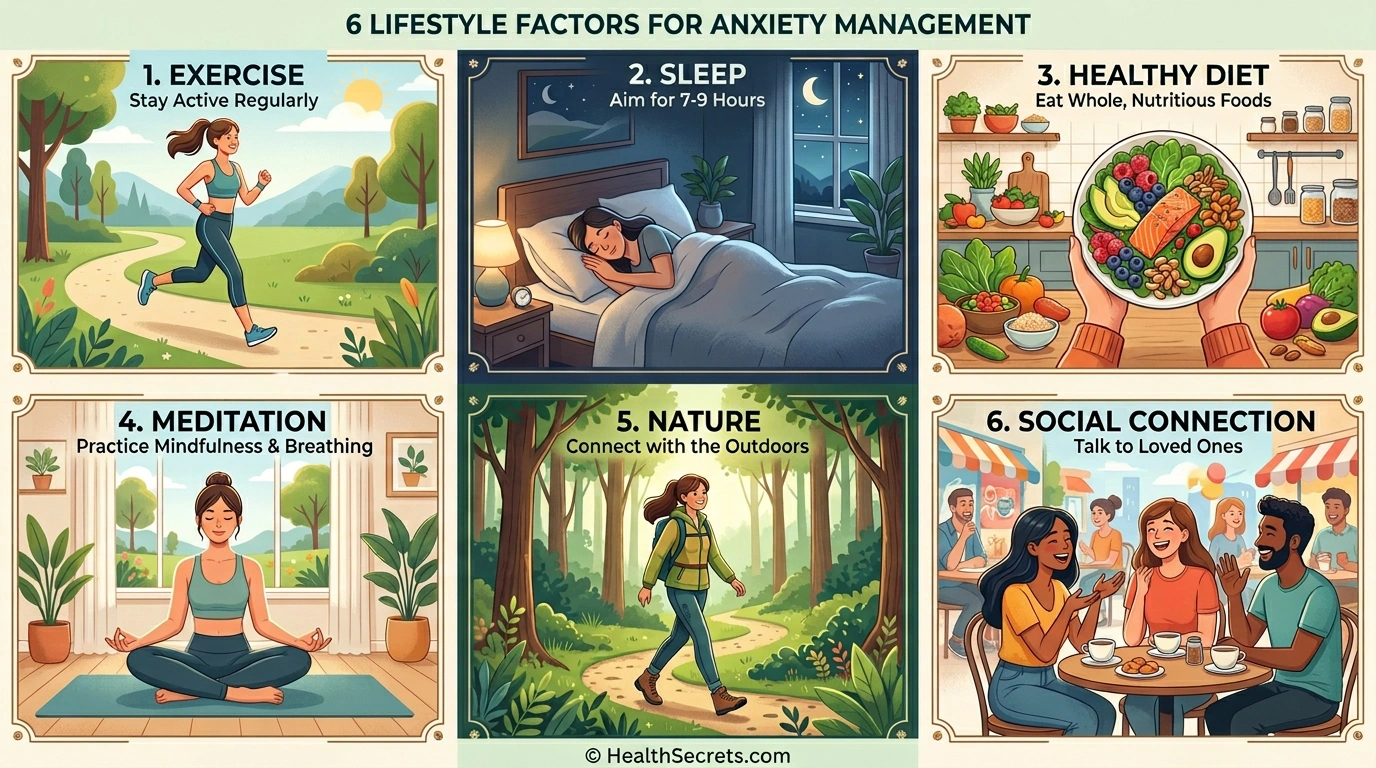
What Lifestyle Changes Make the Biggest Difference for Anxiety?
Supplements and techniques matter — but lifestyle is the foundation. Without these fundamentals, no supplement will give you the results you're looking for. These are the highest-impact lifestyle changes for anxiety, ranked by research strength.
- Exercise — possibly the single most powerful natural anxiolytic. As effective as medication for some people. Aim for 30–60 minutes of moderate exercise most days. Walking, swimming, yoga, and strength training all work. Avoid overtraining (it can increase anxiety).
- Sleep — poor sleep and anxiety form a vicious cycle. Target 7–9 hours. Maintain consistent sleep/wake times, keep your room dark and cool, and avoid screens 1 hour before bed.
- Diet — limit caffeine (a major anxiety trigger), alcohol (worsens anxiety long-term), and refined sugar (blood sugar swings affect mood). Prioritize whole foods, omega-3-rich fish, magnesium-rich greens, and fermented foods for gut-brain axis support.
- Stress management — even 10–20 minutes daily of meditation, yoga, progressive muscle relaxation, or journaling significantly reduces anxiety. Apps like Headspace, Calm, and Insight Timer make starting easy.
- Nature exposure — 20–30 minutes outdoors daily reduces anxiety. The Japanese practice of shinrin-yoku (forest bathing) has documented stress-reducing effects.
- Limit stimulants and screen time — caffeine, nicotine, social media, and constant news consumption all amplify anxiety.
How Do You Safely Combine Natural Anxiety Remedies?
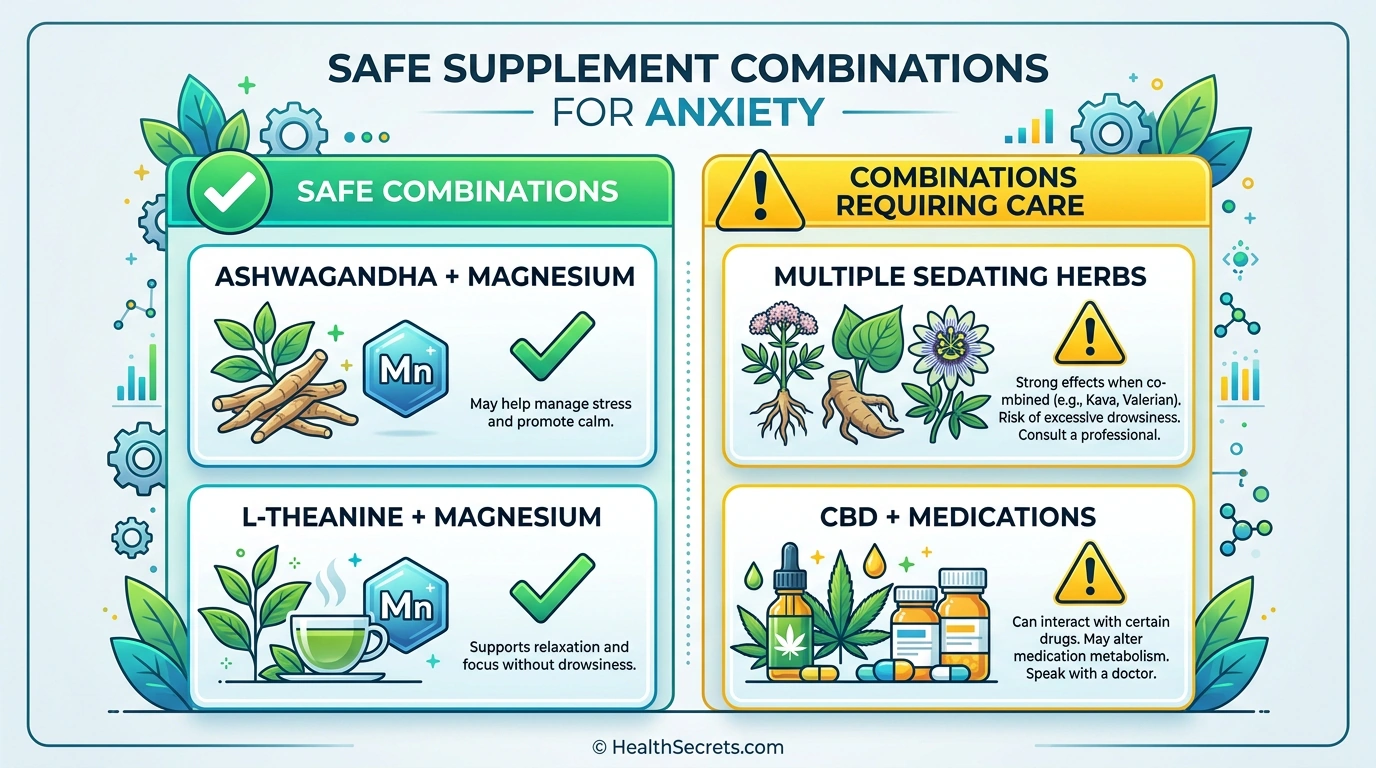
You don't have to pick just one approach — in fact, combining remedies from different categories often produces better results. The key is starting one at a time, giving each 2–4 weeks, then layering strategically.
Safe combinations:
- Ashwagandha + magnesium (complementary mechanisms — cortisol reduction + GABA support)
- L-theanine + magnesium (calming without sedation)
- Omega-3s + any of the above (anti-inflammatory foundation)
- Breathing techniques + any supplement (always safe)
- Lifestyle changes + any supplement (always beneficial)
Use caution combining:
- Multiple sedating herbs together (passionflower + valerian + lavender = excessive drowsiness)
- CBD + medications metabolized by liver CYP450 enzymes — consult your doctor
- Any supplement + prescription anxiolytics or antidepressants — always discuss with your provider
The practical approach: Start with lifestyle foundations (sleep, exercise, diet). Add one supplement (ashwagandha or L-theanine are great first choices). Learn a breathing technique. After 4 weeks, assess and adjust.
What Are the Most Common Mistakes When Using Natural Anxiety Remedies?
Many people try natural anxiety remedies and conclude "they don't work" — but the real issue is usually one of these common mistakes. Avoiding them dramatically improves your chances of meaningful relief.
- Starting too many things at once — You won't know what's helping and what isn't. Add one remedy at a time.
- Not giving it enough time — Most supplements need 2–8 weeks. Quitting after a few days isn't a fair trial.
- Ignoring lifestyle basics — No supplement can overcome chronic sleep deprivation, sedentary living, or a high-caffeine diet.
- Choosing poor-quality products — Third-party testing matters. Cheap, unverified supplements may contain incorrect doses or contaminants.
- Skipping the doctor conversation — Especially if you're on medications. Interactions are real.
- Using supplements as a substitute for therapy — If your anxiety is moderate-to-severe, therapy (especially CBT) is likely more effective than any supplement alone.
- Expecting a "cure" — These remedies manage and reduce anxiety. They don't eliminate it entirely. That's normal.
- Inconsistent use — Daily, consistent use matters for adaptogens like ashwagandha and minerals like magnesium.
Are Natural Anxiety Remedies Safe? What Should You Watch For?
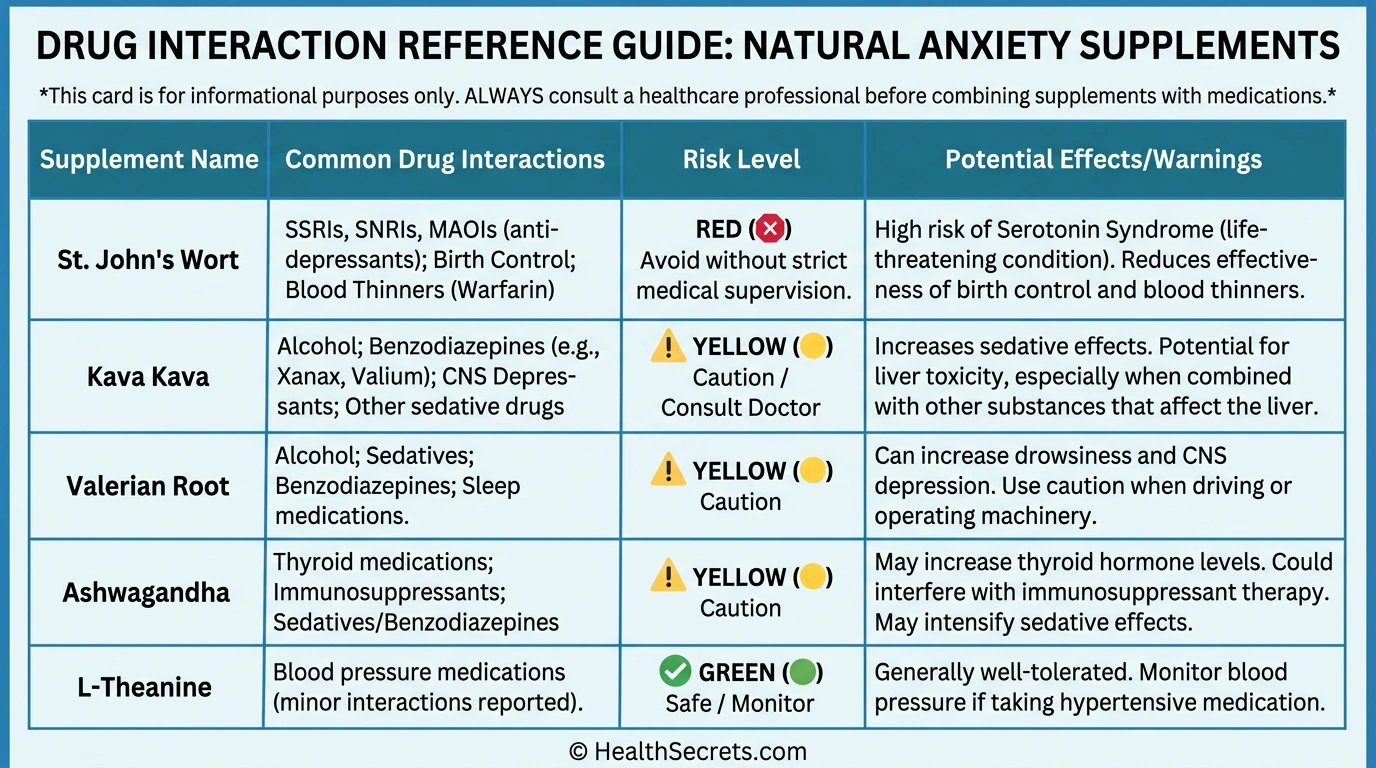
Most natural anxiety remedies have excellent safety profiles when used correctly — but "natural" doesn't mean risk-free. Understanding drug interactions, contraindications, and when to stop is essential for safe use.
General safety guidelines:
- Start with low doses and increase gradually
- Take supplements with food unless directed otherwise
- Choose products with third-party testing (USP, NSF, ConsumerLab)
- Don't stop prescribed medications without your doctor's approval
- Stop herbal supplements 2 weeks before surgery
| Remedy | Interacts With | Risk |
|---|---|---|
| Ashwagandha | Sedatives, thyroid meds, immunosuppressants | Enhanced sedation, thyroid changes |
| L-Theanine | Blood pressure meds | May lower BP further (mild) |
| Magnesium | Antibiotics, bisphosphonates, diuretics | Reduced absorption, electrolyte changes |
| Passionflower | Sedatives, MAO inhibitors, blood thinners | Enhanced sedation, bleeding risk |
| CBD | CYP450-metabolized drugs, blood thinners | Altered drug levels, bleeding risk |
- Adverse reactions or worsening symptoms
- No improvement after 4–8 weeks of consistent use
- Anxiety interfering with daily life
- New symptoms developing
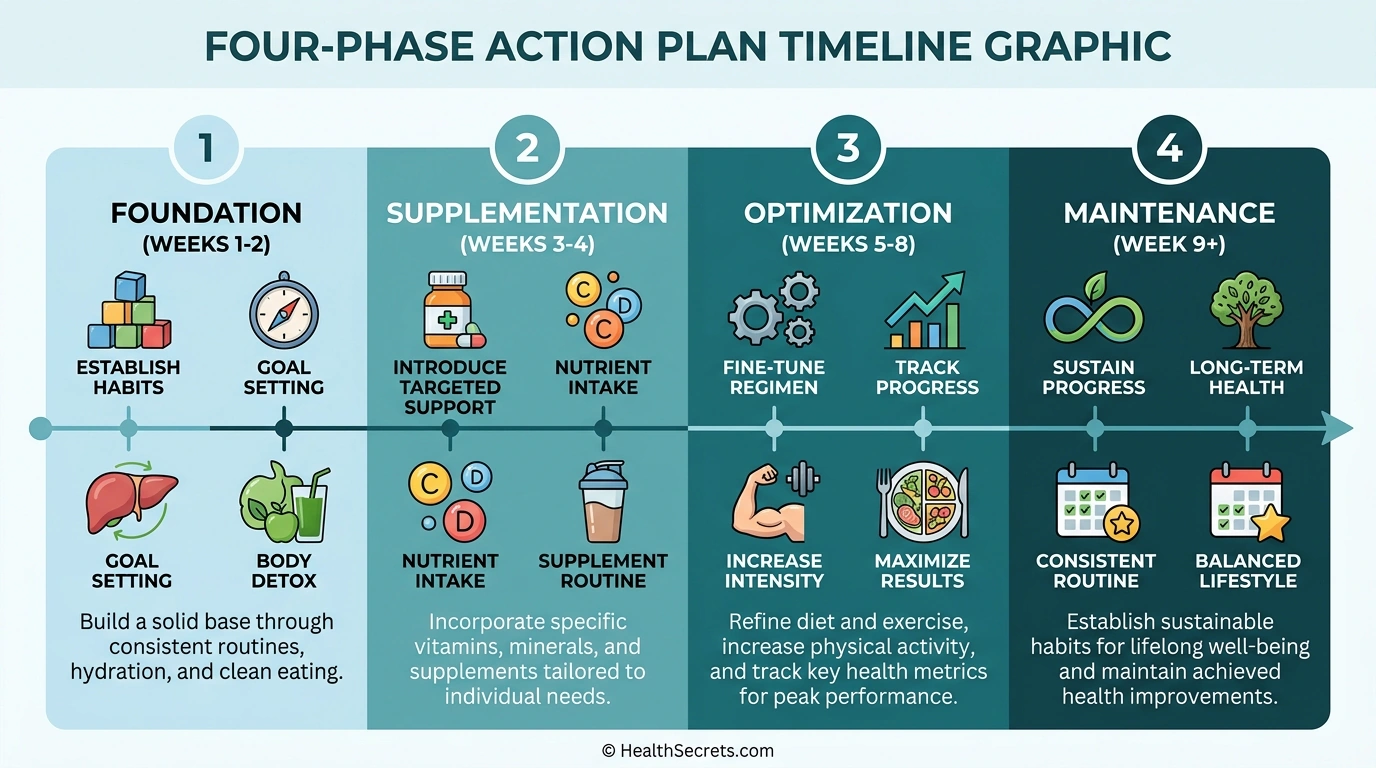
Action Plan
What Should You Do First to Manage Anxiety Naturally?
Follow the sequence below, work through each phase in order, and use the checklist as your practical implementation guide.
Here's a phased, practical plan you can start today. Take it one step at a time — consistency matters more than perfection. Most people notice meaningful improvement within 4–8 weeks of following this plan.
Phase 1 — Foundation (Week 1–2):
- Assess your anxiety severity (mild/moderate → try natural remedies; severe → seek professional help)
- Start one breathing technique — practice 5 minutes, 2x daily
- Prioritize sleep: 7–9 hours, consistent schedule, dark room
- Cut caffeine after 12pm and reduce alcohol
- Add 30 minutes of daily movement (walking counts)
Phase 2 — Supplementation (Week 3–4):
- Choose ONE supplement to start: ashwagandha 300mg/day OR L-theanine 200mg/day OR magnesium glycinate 300mg/day
- Take consistently with food, at the same time each day
- Begin a simple mindfulness practice (10 min/day — use Headspace, Calm, or Insight Timer)
- Track your mood and anxiety levels daily in a journal
Phase 3 — Optimization (Week 5–8):
- Assess improvement — if helpful, consider adding a second complementary remedy
- If not improving, try a different supplement or increase dose within safe range
- Add nature exposure (20–30 minutes outdoors daily)
- Explore yoga or progressive muscle relaxation
Phase 4 — Long-Term Maintenance (Week 9+):
- Maintain effective supplements at maintenance doses
- Continue lifestyle practices (exercise, sleep, diet, mindfulness)
- If anxiety persists or worsens, seek professional evaluation
- Consider therapy (CBT) for lasting skills and deeper work