
Here's a confession: I spent way too long going down the resveratrol rabbit hole. You know how it starts—you hear about the "French Paradox," the idea that French people eat all this butter and cheese yet somehow have lower rates of heart disease. And the explanation? Red wine. Or more specifically, a compound in red wine called resveratrol.
Sounds almost too good to be true, right? That's because... well, it's complicated.
Resveratrol is a polyphenol—a natural plant compound found in red grapes, berries, peanuts, and yes, red wine. It shot to fame in the early 2000s when researchers discovered it could activate sirtuins—a family of proteins linked to longevity and cellular repair. In laboratory organisms, the results were genuinely exciting. We're talking extended lifespans in yeast, worms, and flies. Resveratrol appeared to mimic calorie restriction, one of the most well-established ways to slow aging in animals ([1]).
But—and this is a big but—translating those results to humans? That's where things get messy. A 2026 meta-analysis found that resveratrol supplementation doesn't significantly influence human SIRT1 levels based on overall analysis ([2]). The bioavailability problem is huge—less than 5% of what you swallow actually reaches your bloodstream unchanged ([5]). And the amount in a glass of red wine? About 1-2mg. Therapeutic doses in studies use 250-1,000mg.
So no, you can't drink your way to longevity. Sorry.
What you can do is make an informed decision about whether resveratrol supplementation makes sense for you—or whether its cousin pterostilbene might be the smarter choice. That's exactly what this guide covers: the real science, the real limitations, and practical recommendations based on what we actually know in 2026.
What Is Resveratrol and Where Does It Come From?
Resveratrol (3,5,4'-trihydroxy-trans-stilbene) is a polyphenol compound that plants produce as a defense mechanism against stress, infection, and UV radiation. Think of it as a plant's immune response—and researchers wondered whether those protective properties could transfer to humans.
It exists in two forms: trans-resveratrol (the biologically active isomer) and cis-resveratrol (largely inactive). This distinction matters when choosing supplements—you want trans-resveratrol specifically.
Natural sources include red grapes and grape skins, red wine (1-2mg per 5oz glass), peanuts (0.01-0.26mg per cup), blueberries, raspberries, mulberries, and dark chocolate ([15]; [4]).
The compound gained massive attention in the 1990s as a potential explanation for the "French Paradox"—the observation that French populations had relatively low cardiovascular disease rates despite high saturated fat intake. Researchers pointed to red wine consumption. But here's the thing most articles won't tell you: that paradox is probably better explained by the overall Mediterranean diet, lifestyle factors, and lower processed food consumption. Not a single compound in wine.
How Does Resveratrol Work in the Body? (The Sirtuin Connection)
Resveratrol's claim to fame is sirtuin activation—and honestly, the science here is fascinating, even if the conclusions are more nuanced than the headlines suggest.
Resveratrol works through 3-4 major mechanisms that collectively influence aging and cellular health. Here's what the research actually shows.
Does Resveratrol Really Activate Sirtuins?
Sirtuins are a family of seven proteins (SIRT1-SIRT7) that function as NAD+-dependent deacetylases. They're involved in DNA repair, mitochondrial function, inflammation regulation, and metabolic health. SIRT1 is the most studied for longevity.
In 2003, resveratrol was identified as a potent SIRT1 activator capable of mimicking calorie restriction effects—extending yeast lifespan by 70% ([1]). Subsequent studies confirmed lifespan extension in worms, flies, and fish ([6]). Resveratrol and other sirtuin-activating compounds have been extensively studied for their ability to affect health and lifespan across species ([3]).
But—and I keep coming back to this—a 2026 dose-response meta-analysis of randomized controlled trials found that resveratrol supplementation does not significantly influence human SIRT1 levels in the overall analysis, though dose-dependent effects may exist ([2]). The gap between animal models and human outcomes remains substantial.

What Other Anti-Aging Mechanisms Does Resveratrol Have?
Beyond sirtuins, resveratrol operates through multiple pathways. It's a potent antioxidant that reduces oxidative stress by scavenging free radicals and boosting endogenous antioxidant enzymes. It inhibits NF-κB—a master inflammatory transcription factor—reducing chronic low-grade inflammation that drives aging ([4]). It activates AMPK (an energy-sensing enzyme), enhances mitochondrial biogenesis, and improves insulin sensitivity.
Resveratrol possesses anti-aging, anti-carcinogenic, anti-inflammatory, and antioxidant properties relevant to chronic diseases and longevity, serving as a therapeutic agent multi-targeting conditions including diabetes, cardiovascular disease, and neurological disorders ([4]; [11]).
I think what makes resveratrol genuinely interesting isn't any single mechanism—it's the breadth. Few natural compounds hit this many aging-related pathways simultaneously. The question is whether those mechanisms translate into meaningful clinical outcomes.
Why Don't Animal Results Translate Directly to Humans?
This is the critical nuance most supplement marketing conveniently ignores. Yeast, worms, and flies have fundamentally different biology. Mice on high-calorie diets showed benefits, but mice on normal diets? Not so much. A 2024 primate study found resveratrol does not fully mimic calorie restriction benefits ([14]). Human metabolism is far more complex—our livers rapidly break down resveratrol before it can exert its full effects.
How Well Is Resveratrol Absorbed? (The Bioavailability Problem)
Here's the part that frustrated me the most when researching this. Resveratrol has a fundamental absorption problem—and it's honestly the biggest obstacle to its effectiveness.
When you take a resveratrol supplement orally, at least 70% is absorbed from the gut. Sounds great, right? Except the liver immediately metabolizes most of it through glucuronidation and sulfation. The result: less than 5ng/mL of unchanged resveratrol reaches your bloodstream—that's less than 1-2% of the original dose ([5]). The plasma half-life is roughly 9 hours for metabolites, but the parent compound is gone within minutes.
So you're essentially paying for a compound that your body destroys before it can work. Frustrating.
Trans-resveratrol vs. cis-resveratrol matters here too. The trans form is biologically active. But it converts to the inactive cis form when exposed to light, heat, or UV radiation. This means storage conditions and supplement quality directly impact what you're actually getting. Look for dark bottles, cool storage recommendations, and standardization to ≥98% trans-resveratrol.
Solutions that may help:
- Take with fatty foods — resveratrol is lipophilic, so dietary fats improve absorption
- Piperine (black pepper extract) — may inhibit liver metabolism, keeping resveratrol active longer
- Micronized formulations — smaller particle size increases surface area for absorption
- Liposomal delivery — encapsulates resveratrol in lipid spheres for better cellular uptake
- Cyclodextrin complexes — a 2026 human study showed HP-β-CD inclusion complexes significantly improved absorption rates and bioavailability ([16])
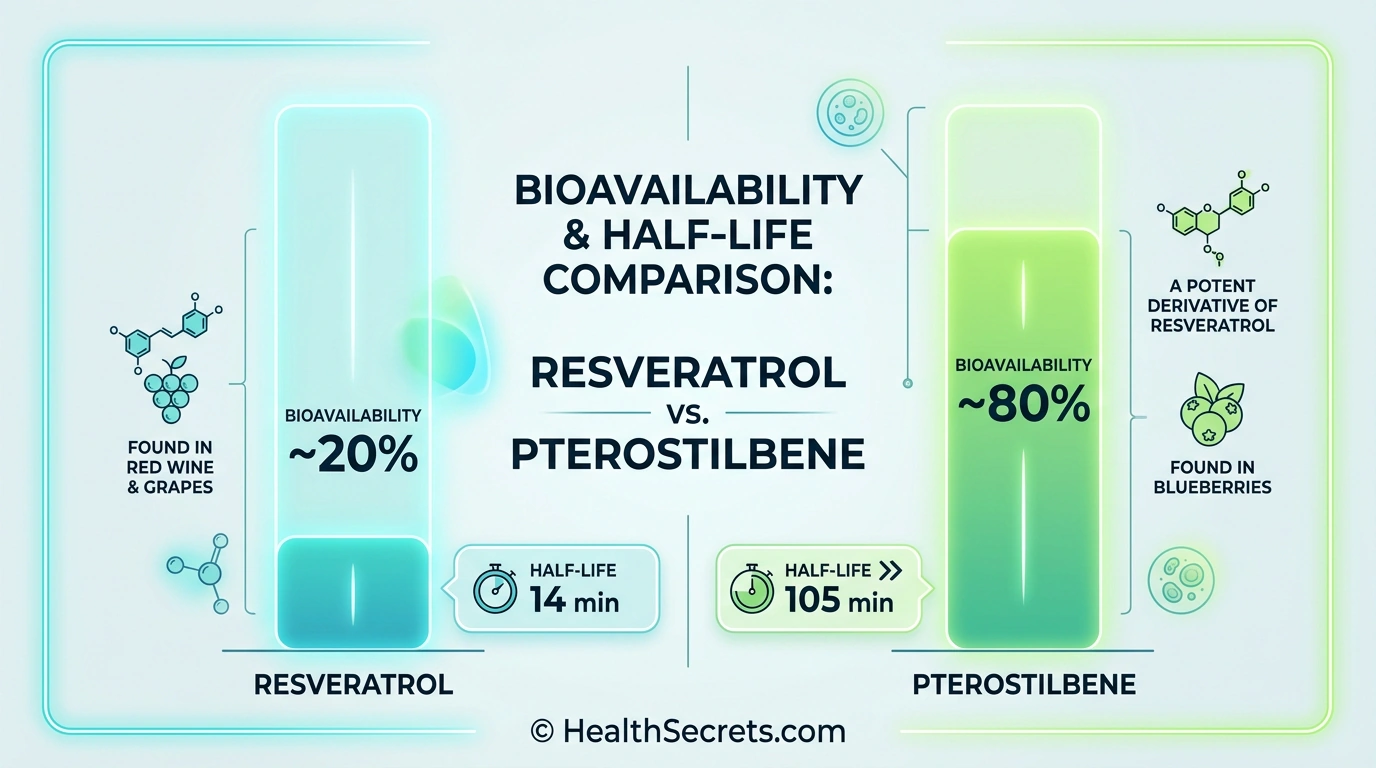
Or—and this is increasingly what researchers are suggesting—consider pterostilbene instead.

How Much Resveratrol Should You Take?
Dosing resveratrol requires balancing the research evidence with the bioavailability reality. Here's what the clinical data supports.
| Purpose | Daily Dose | Form | Duration |
|---|---|---|---|
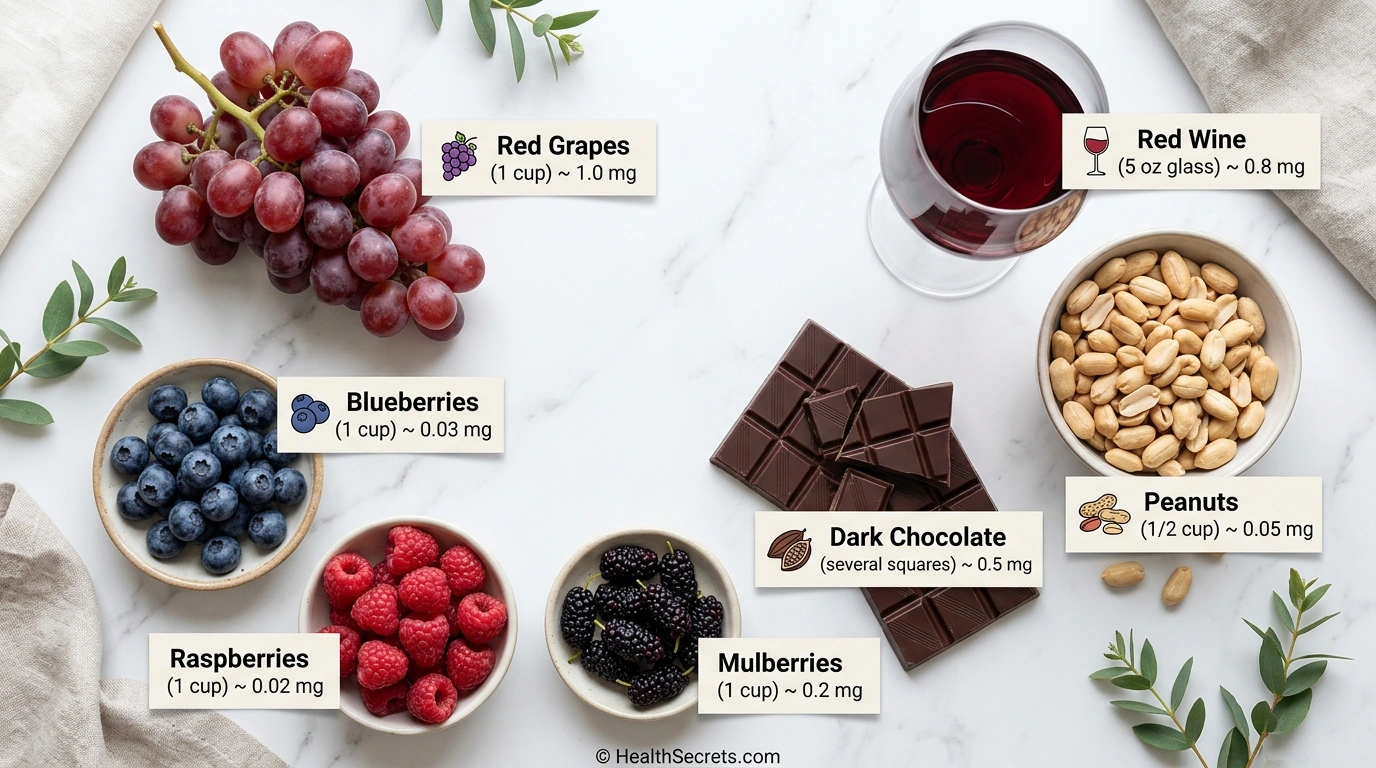
| General health/antioxidant | 150-250mg trans-resveratrol | Capsule with piperine | Ongoing |
| Anti-inflammatory support | 250-500mg trans-resveratrol | Capsule or micronized | 8-12 weeks minimum |
| Metabolic support (obese/diabetic) | 500-1,000mg trans-resveratrol | Divided doses with meals | 12+ weeks |
| Pterostilbene alternative | 50-250mg pterostilbene | Capsule | Ongoing |
| Clinical studies have used doses ranging from 150mg to 1,000mg daily, with recommended dosage equivalent to approximately 12.5 mg/kg body weight—around 1,000mg for an 80kg adult ([11]). Most commonly, 250-500mg is used in research. |
Timing matters. Always take resveratrol with meals containing fats—this isn't optional, it significantly improves absorption. Divide larger doses (500mg+) into two servings. And give it time: anti-inflammatory and metabolic effects typically take 8-12 weeks of consistent use.
Quality markers to look for:
- Standardized to ≥98% trans-resveratrol
- Third-party tested (USP, NSF, or independent lab)
- Dark bottle with proper storage instructions
- From reputable manufacturers (Polygonum cuspidatum root extract is the most common source)
Doctor's Best Trans-Resveratrol 600mg
Editor's ChoiceDoctor's Best · High-potency resveratrol supplementation
NOW Supplements Natural Resveratrol 200mg
Best ValueNOW Supplements · Budget-friendly daily antioxidant support

Double Wood Supplements Resveratrol 500mg
Best Mid-RangeDouble Wood · Therapeutic dosing with verified quality

Luma Nutrition High Purity Resveratrol 600mg
Best High-PurityLuma Nutrition · Maximum purity per capsule
Doctor's Best Trans-Resveratrol 200mg with ResVinol-25
Best Low-Dose StarterDoctor's Best · Conservative dosing and combination with other supplements

ProHealth Longevity Pterostilbene 250mg
Best PterostilbeneProHealth Longevity · Superior bioavailability alternative to resveratrol

Double Wood Pterostilbene 100mg
Best Budget PterostilbeneDouble Wood · Affordable pterostilbene entry point
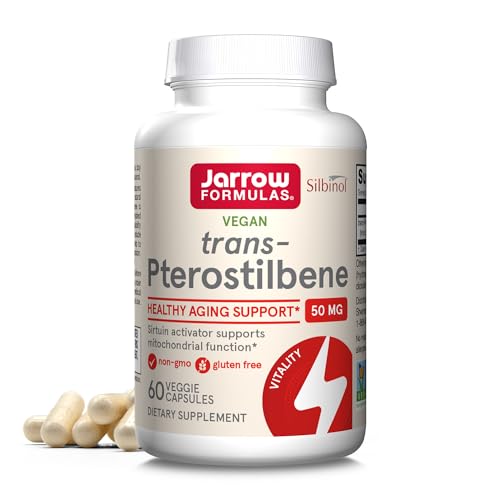
Jarrow Formulas Pterostilbene 50mg
Best Established BrandJarrow Formulas · Conservative pterostilbene dosing from a trusted manufacturer
Read the detailed review cards below before opening any retailer link
Top Recommended Products
Doctor's Best
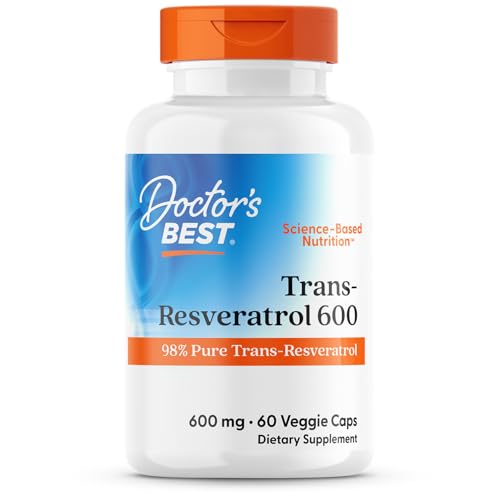
Doctor's Best Trans-Resveratrol 600mg
Doctor's Best uses ResVinol-25 standardized extract delivering 98% trans-resveratrol—the highest purity you'll find at this dose. One capsule provides a full therapeutic serving.
Pros
- + 98% pure trans-resveratrol
- + high potency per capsule
- + reputable brand with decades of supplement experience
Contras
- - Higher price point
- - single-ingredient (no piperine included)
Por qué lo incluimos: Doctor's Best uses ResVinol-25 standardized extract delivering 98% trans-resveratrol—the highest purity you'll find at this dose. One capsule provides a full therapeutic serving.
El enlace del minorista se abre en Amazon después de los detalles de la revisión anteriores
NOW Supplements
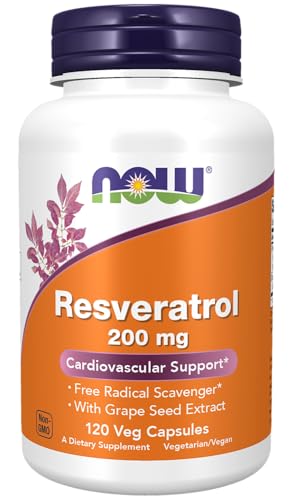
NOW Supplements Natural Resveratrol 200mg
NOW is one of the most trusted supplement brands. At 200mg per capsule with additional red wine polyphenols, this is an excellent entry point for resveratrol supplementation.
Pros
- + Affordable
- + includes red wine extract polyphenols
- + trusted brand
- + 120-count bottle
Contras
- - Lower dose per capsule
- - may need 2 capsules for therapeutic range
Por qué lo incluimos: NOW is one of the most trusted supplement brands. At 200mg per capsule with additional red wine polyphenols, this is an excellent entry point for resveratrol supplementation.
El enlace del minorista se abre en Amazon después de los detalles de la revisión anteriores
Double Wood
Double Wood Supplements Resveratrol 500mg
Double Wood provides third-party testing transparency and a solid therapeutic dose at an accessible price. Good middle-ground option.
Pros
- + Third-party tested
- + good value per serving
- + 60-day supply
Contras
- - Requires 2 capsules per serving
- - 50% standardization (not 98%)
Por qué lo incluimos: Double Wood provides third-party testing transparency and a solid therapeutic dose at an accessible price. Good middle-ground option.
El enlace del minorista se abre en Amazon después de los detalles de la revisión anteriores
Luma Nutrition
Luma Nutrition High Purity Resveratrol 600mg
At 98% purity and 600mg per capsule, Luma delivers one of the highest-purity resveratrol options available. Great for those wanting maximum trans-resveratrol per serving.
Pros
- + 98% trans-resveratrol purity
- + high dose per single capsule
- + vegan-friendly
Contras
- - Newer brand
- - no piperine included
Por qué lo incluimos: At 98% purity and 600mg per capsule, Luma delivers one of the highest-purity resveratrol options available. Great for those wanting maximum trans-resveratrol per serving.
El enlace del minorista se abre en Amazon después de los detalles de la revisión anteriores
Doctor's Best
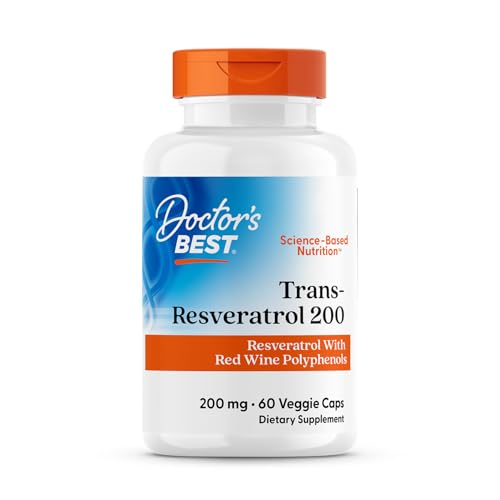
Doctor's Best Trans-Resveratrol 200mg with ResVinol-25
Perfect for those starting resveratrol or wanting a lower daily dose alongside other longevity supplements. ResVinol-25 extract provides consistent quality.
Pros
- + Includes red wine polyphenols for synergy
- + well-researched formulation
- + gentle starting dose
Contras
- - Lower potency
- - may need multiple capsules for therapeutic effect
Por qué lo incluimos: Perfect for those starting resveratrol or wanting a lower daily dose alongside other longevity supplements. ResVinol-25 extract provides consistent quality.
El enlace del minorista se abre en Amazon después de los detalles de la revisión anteriores
ProHealth Longevity
ProHealth Longevity Pterostilbene 250mg
If bioavailability is your priority—and honestly, it probably should be—ProHealth's pterostilbene delivers a clinically studied 250mg dose with far superior absorption.
Pros
- + 4x better bioavailability than resveratrol
- + clinically studied dose
- + activates similar longevity pathways
Contras
- - Higher cost per bottle
- - fewer long-term human studies than resveratrol
Por qué lo incluimos: If bioavailability is your priority—and honestly, it probably should be—ProHealth's pterostilbene delivers a clinically studied 250mg dose with far superior absorption.
El enlace del minorista se abre en Amazon después de los detalles de la revisión anteriores
Double Wood
Double Wood Pterostilbene 100mg
Double Wood's pterostilbene offers third-party testing at a fraction of premium brand prices. A smart, budget-conscious way to try pterostilbene.
Pros
- + Affordable
- + third-party tested
- + reputable brand
- + 60-day supply
Contras
- - Lower dose (may need 2 capsules)
- - basic formulation
Por qué lo incluimos: Double Wood's pterostilbene offers third-party testing at a fraction of premium brand prices. A smart, budget-conscious way to try pterostilbene.
El enlace del minorista se abre en Amazon después de los detalles de la revisión anteriores
Jarrow Formulas
Jarrow Formulas Pterostilbene 50mg
Jarrow is a decades-established supplement company. This low-dose pterostilbene is perfect for those who want flexibility to titrate their dose gradually.
Pros
- + Trusted legacy brand
- + gentle dose
- + easy to stack with other supplements
- + vegan capsules
Contras
- - Low dose per capsule
- - may need 2-4 daily for therapeutic range
Por qué lo incluimos: Jarrow is a decades-established supplement company. This low-dose pterostilbene is perfect for those who want flexibility to titrate their dose gradually.
El enlace del minorista se abre en Amazon después de los detalles de la revisión anteriores
Can You Get Enough Resveratrol From Food?
Short answer: not for therapeutic purposes. Not even close.
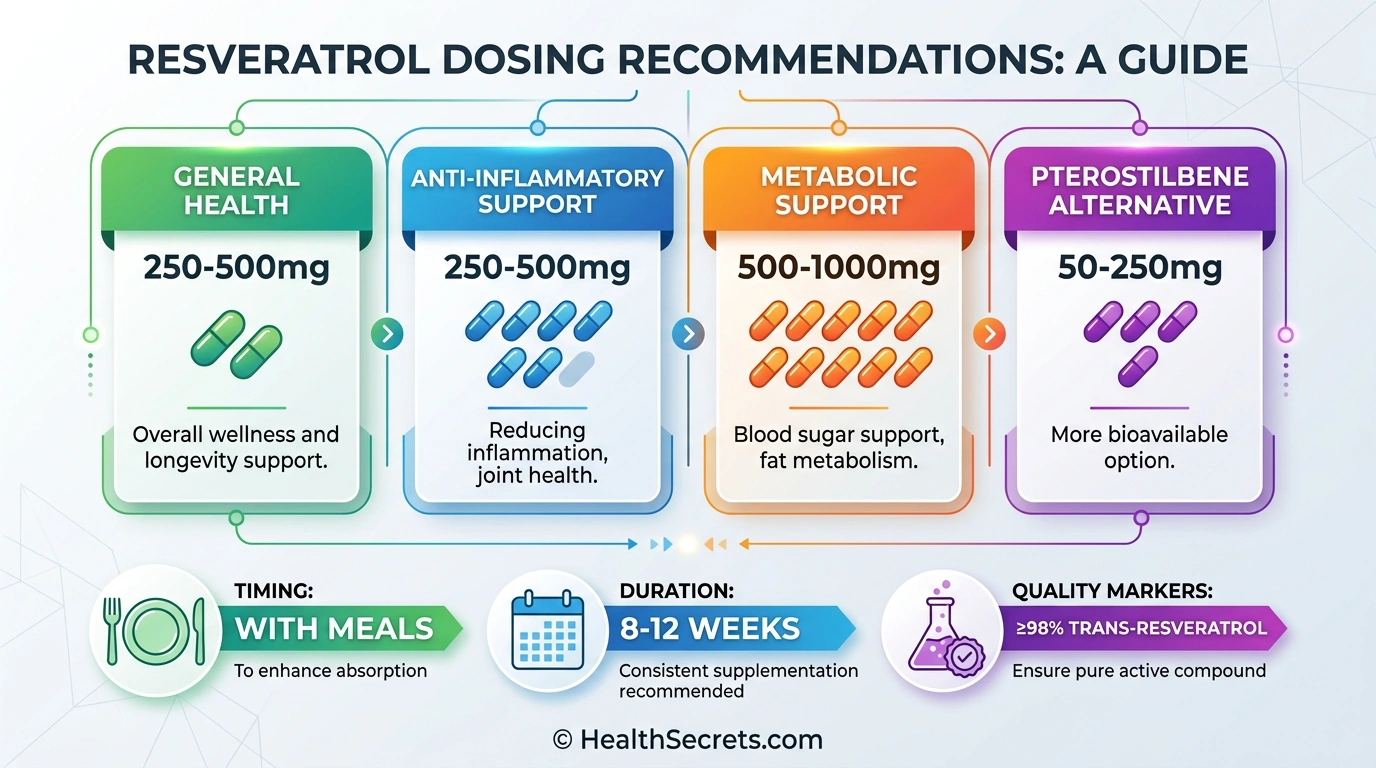
Let me hit you with some math. Resveratrol is found in red grapes, red wine, peanuts, blueberries, raspberries, mulberries, cocoa, and grape juice ([4]; [15]).
Here's the reality:
- Red wine: 1-2mg per 5oz glass
- Red grapes: 0.24-1.25mg per cup
- Peanuts: 0.01-0.26mg per cup
- Blueberries: trace amounts
- Dark chocolate: ~0.35mg per oz
To get 500mg—a moderate supplemental dose—you'd need roughly 250-500 glasses of red wine. In a day. Obviously, the alcohol would kill you long before the resveratrol helped.
And about red wine specifically: a diet rich in resveratrol from food sources offers limited health benefits, and red wine should be consumed in moderation—no more than one drink per day for women, two for men ([11]). The "French Paradox" was likely never about resveratrol at all. Alcohol risks—liver damage, cancer risk, addiction potential—far outweigh any possible resveratrol benefit from wine.
The balanced approach: Enjoy resveratrol-rich foods as part of a healthy diet (grapes, berries, peanuts, dark chocolate). They provide antioxidant benefits and taste great. But for therapeutic doses? You need a supplement. Period.
Is Resveratrol Safe? Side Effects and Drug Interactions
The good news: resveratrol has a solid safety profile at standard supplemental doses. Studies using up to 1,000mg daily report minimal adverse effects, and human use of resveratrol across nearly 200 clinical trials over 20 years confirms general tolerability ([12]).
Common side effects (rare, usually at high doses >1,000mg):
- Digestive upset (nausea, diarrhea, stomach cramps)
- Headache
- These typically resolve with dose reduction or taking with food
Drug interactions to watch:
- Blood thinners (warfarin, aspirin, clopidogrel) — resveratrol has mild antiplatelet effects; may increase bleeding risk
- CYP450 substrates — resveratrol interacts with liver enzymes that metabolize many medications
- Immunosuppressants — may counteract immunosuppressive therapy
- Diabetes medications — may enhance blood sugar-lowering effects (monitor glucose)
Who should avoid or use caution:
- Pregnant or breastfeeding women (insufficient safety data)
- People scheduled for surgery (stop 2 weeks before—bleeding risk)
- Children (no established pediatric dosing)
- Anyone on blood-thinning medications without physician oversight
What Can Resveratrol Actually Do for You?
I want to be straight with you—because there's a lot of overpromising in the supplement world.
Clinical trials have shown that resveratrol can decrease blood pressure in patients with obesity and type 2 diabetes ([10]). It's been found to reverse some features of metabolic syndrome, including improved glucose metabolism and reduced inflammatory markers ([13]). Over 200 clinical trials have focused on cancer, neurological disorders, cardiovascular diseases, and diabetes ([12]).
Resveratrol treatment does not have beneficial metabolic effects in non-obese postmenopausal women with normal glucose tolerance ([11]). It has not been proven to extend human lifespan. Animal lifespan extension doesn't guarantee human longevity benefits. And it's absolutely not a substitute for healthy lifestyle foundations—diet, exercise, sleep, and stress management.
Realistic timeline:
- Weeks 1-4: Minimal noticeable effects
- Weeks 4-8: Potential improvement in inflammatory markers, energy
- Weeks 8-12+: Metabolic improvements in at-risk populations
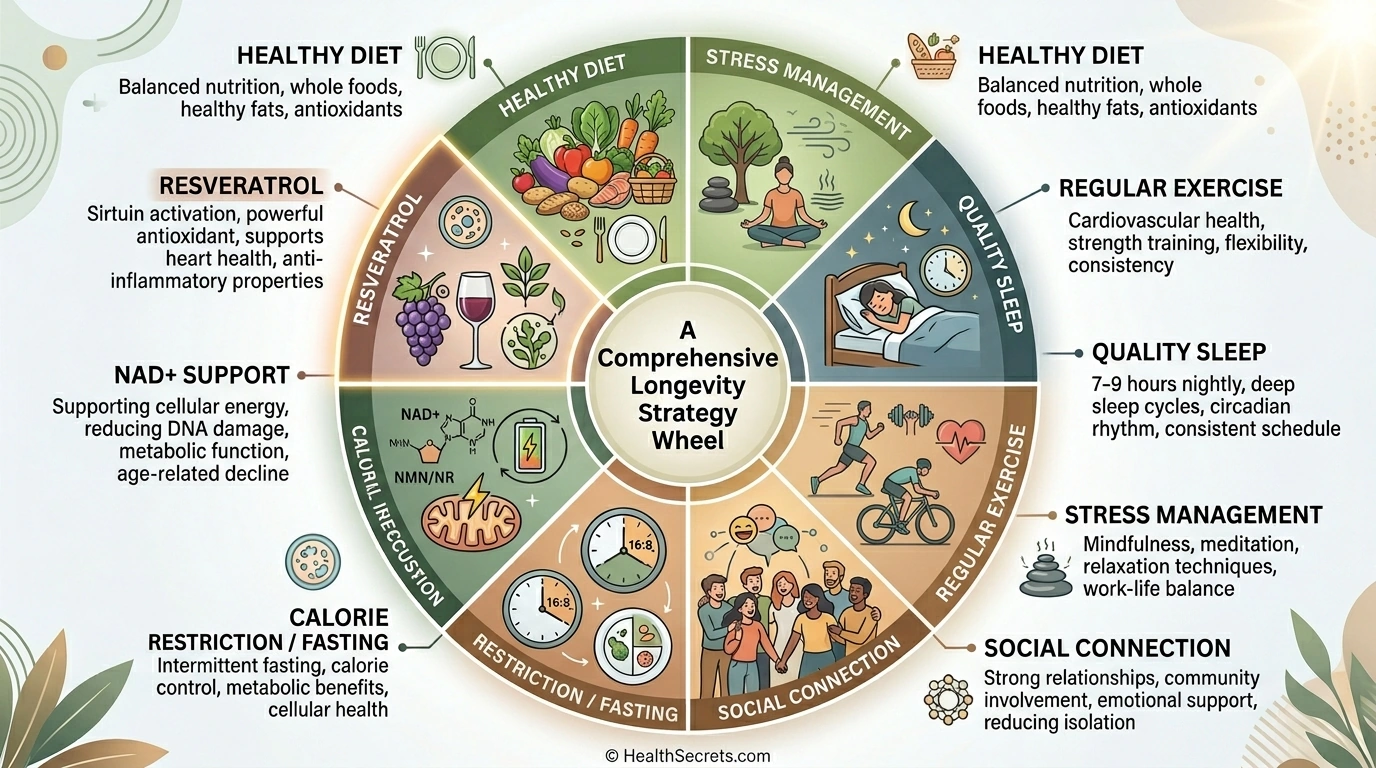
Resveratrol is best viewed as one component of a comprehensive longevity strategy—alongside calorie-appropriate nutrition, regular exercise, quality sleep, stress management, and social connection.
Action Plan
What Should You Do First? (Your Resveratrol Action Plan)
Follow the sequence below, work through each phase in order, and use the checklist as your practical implementation guide.
Start by assessing your metabolic health status and consulting your healthcare provider about potential interactions. Choose between trans-resveratrol (250–500mg daily) or pterostilbene (50–250mg) based on your bioavailability priorities, then begin a low-dose trial with meals containing healthy fats for 8–12 weeks.
Phase 1 — Research and Decide (Week 1)
- Assess your metabolic health status (are you in a category that shows clearest benefits?)
- Consult your healthcare provider, especially if taking medications
- Decide between trans-resveratrol and pterostilbene based on your priorities
- Choose a quality supplement (≥98% trans-resveratrol, third-party tested)
Phase 2 — Start Low (Weeks 2-4)
- Begin with 150-250mg trans-resveratrol daily OR 50-100mg pterostilbene
- Take with a meal containing healthy fats
- Monitor for any digestive discomfort
- Keep a simple symptom/energy journal
Phase 3 — Optimize (Weeks 5-12)
- If well-tolerated, increase to target dose (250-500mg resveratrol or 100-250mg pterostilbene)
- Divide doses if using 500mg+ (morning and evening with meals)
- Continue tracking subjective improvements
- Get baseline bloodwork if pursuing metabolic goals (CRP, fasting glucose, blood pressure)
Phase 4 — Evaluate (Month 3+)
- Reassess based on bloodwork improvements and subjective health
- Consider switching to pterostilbene if resveratrol results are underwhelming
- Maintain as part of broader longevity protocol alongside diet, exercise, and sleep optimization


