Juice cleanses have exploded in popularity, with "juice cleanse" generating over 27,100 monthly searches as consumers seek quick detox solutions and weight-loss shortcuts. The promises are enticing: flush toxins, shed pounds, boost energy, and "reset" your body in just three days. But here's the reality — your body already has a world-class detoxification system working around the clock, and the scientific evidence for juice cleanse "detox" claims is essentially nonexistent.
That doesn't mean juice cleansing is completely without merit. Short-term cleanses can increase your vegetable and fruit intake, deliver a concentrated antioxidant boost, and help break unhealthy eating patterns. However, they also carry significant risks — nutrient deficiencies, blood sugar dysregulation, muscle loss, and dangerous complications for certain populations.
This guide cuts through the marketing hype to give you a balanced, evidence-based approach to juice cleansing. You'll learn what the research actually says, who should never attempt a juice cleanse, and — if you decide to proceed — how to do it as safely as possible with a modified protocol that addresses the most serious pitfalls.
For a comprehensive overview of evidence-based detoxification approaches, see our complete detox guide.
What Do You Need to Know Before Starting a Juice Cleanse?
A juice cleanse involves consuming only fresh vegetable and fruit juices for 1 to 7 days while eliminating all solid food. Before attempting one, you need to understand the realistic benefits and serious risks, confirm you have no medical contraindications, and set evidence-based expectations rather than following marketing claims.
A juice cleanse (also called a juice fast or juice detox) replaces all meals with 6–8 fresh-pressed juices consumed every 2–3 hours. Traditional juice cleanses provide approximately 800–1,300 calories daily with virtually no protein, fat, or fiber — three macronutrients essential for normal body function.
What are the different types of juice cleanses?
There are three main approaches to juice cleansing, each with different risk levels. The all-juice cleanse is the most popular but also the most restrictive, while modified approaches offer better nutritional balance.
- All-juice cleanse: Only juices, no solid food — most restrictive and highest-risk, typically 1–7 days
- Modified juice cleanse: Juices plus one solid meal (salad, smoothie bowl) — less restrictive, easier to sustain, and nutritionally superior
- Juice fast (7+ days): Extended duration requiring medical supervision — not recommended for the general public
Has science proven that juice cleanses actually "detox" your body?
No scientific evidence supports the claim that juice cleanses remove toxins beyond your body's normal processes. According to the [3], no strong scientific proof supports juice cleanses for detoxification, digestion aid, or lasting weight loss.
Your body's built-in detoxification system — liver, kidneys, lungs, skin, and lymphatic system — operates continuously. As the University of Rochester Medical Center states: "The liver and kidneys remove toxins and waste. If we were holding onto toxins, we wouldn't be alive."
For more on how your liver naturally detoxifies, see our guide on natural liver detox support.
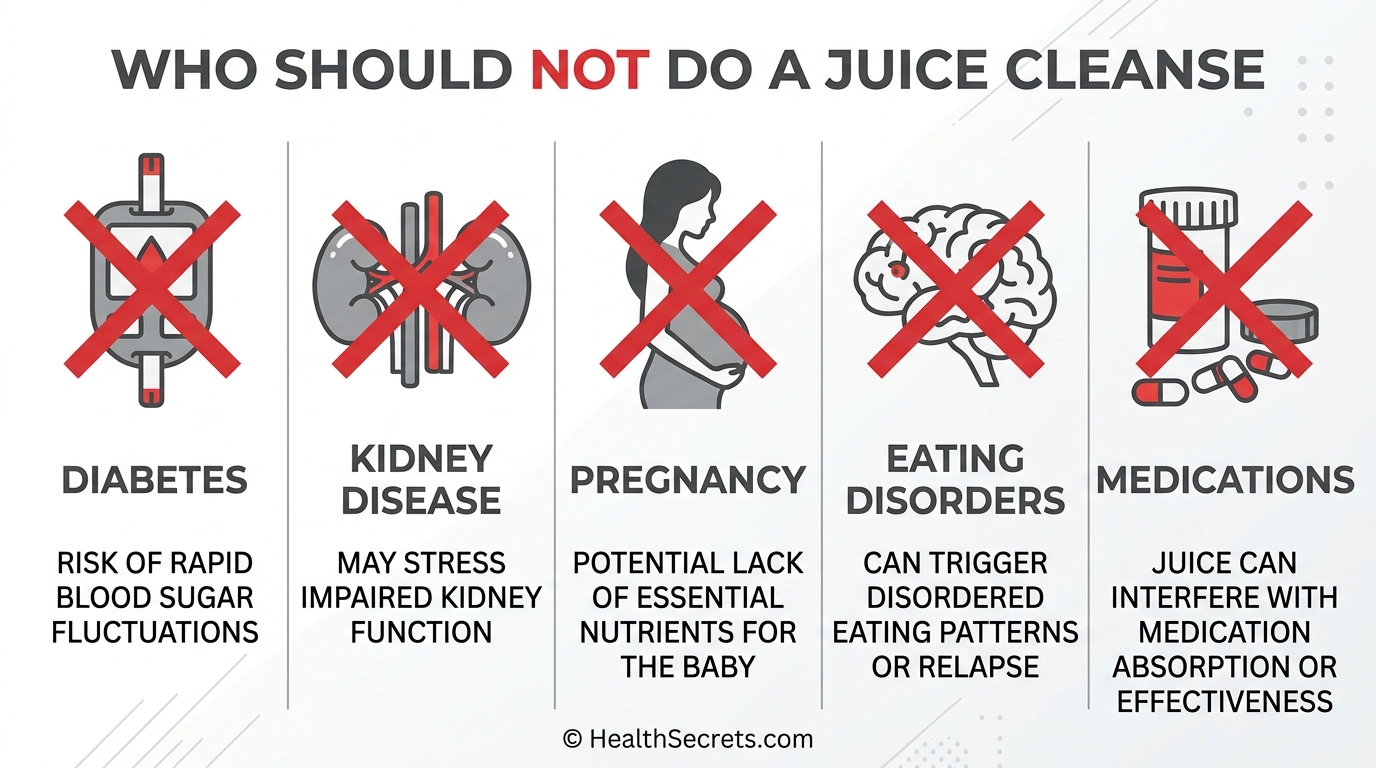
Who should absolutely NOT do a juice cleanse?
Several medical conditions make juice cleanses dangerous or potentially life-threatening. If you fall into any of these categories, choose a safer dietary approach instead.
| Condition | Why It's Dangerous | Safer Alternative |
|---|---|---|
| Diabetes (Type 1 or 2) | Blood sugar spikes/crashes from high fructose, no protein or fat to stabilize | Increase whole vegetables |
| Kidney disease | High potassium and oxalates can cause hyperkalemia or kidney stones | Kidney-specific diet plan |
| Pregnant or breastfeeding | Inadequate protein, fat, and calories for fetal or infant development | Nutrient-dense whole foods |
| Eating disorder history | Restrictive diets can trigger relapse of anorexia, bulimia, or orthorexia | Work with therapist and dietitian |
| On blood thinners or diabetes meds | Vitamin K interference with warfarin, hypoglycemia risk with insulin | Consult physician first |
| A case published in The American Journal of Medicine documented oxalate nephropathy from extended juicing. A 2022 case report described a 68-year-old who developed end-stage renal disease from daily high-oxalate juice consumption [11] requiring permanent dialysis. |
How Do You Prepare Your Body Before a Juice Cleanse?
Proper preparation over 3–7 days significantly reduces withdrawal symptoms like headaches and fatigue. Gradually eliminate processed foods, sugar, alcohol, and caffeine while increasing your intake of whole fruits, vegetables, and water to ease the transition into liquid-only nutrition.
Days 7–4 before your cleanse:
- Reduce processed foods, refined sugar, and fried foods by 50%
- Cut caffeine gradually — reduce by one cup every 2 days to prevent withdrawal headaches
- Limit alcohol to zero by day 4
- Increase fruits, vegetables, and whole grains at every meal
Days 3–1 before your cleanse:
- Transition to mostly plant-based meals — salads, vegetable soups, smoothies, whole grains
- Eliminate meat and dairy to ease digestive transition
- Hydrate aggressively — 8–10 cups of water daily to prepare kidneys
- Shop and prep — buy vegetables, fruits, nut milks, and plant-based protein powder
Set realistic expectations:
- This is not a miracle detox — your liver already handles that
- You will not achieve lasting weight loss — any pounds lost are water and glycogen
- You may feel tired, hungry, and irritable — this is normal on 800–1,300 calories daily
- The real goal is to reset eating habits and increase vegetable awareness
For a structured detox-oriented diet approach that includes solid foods, see our 7-day detox diet plan.
How Do You Choose the Right Juices for a Safe Cleanse?
The composition of your juices determines whether your cleanse is relatively safe or potentially harmful. Prioritize an 80/20 vegetable-to-fruit ratio to minimize blood sugar spikes, and critically, add protein and healthy fat sources that traditional juice cleanses dangerously omit.
What is the ideal vegetable-to-fruit ratio for juice cleansing?
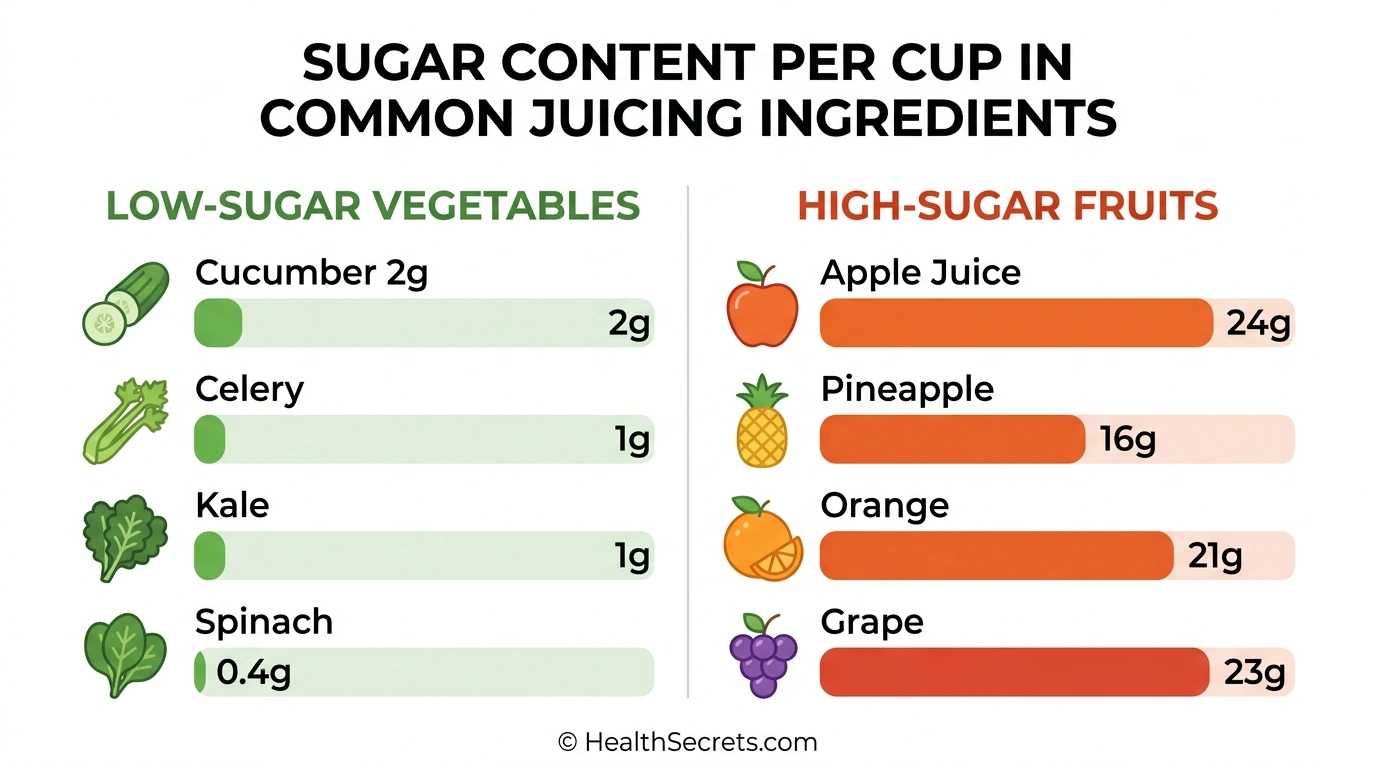
An 80% vegetable, 20% fruit ratio minimizes blood sugar spikes while keeping juices palatable. Fruit-heavy juices can contain as much sugar as soda — apple juice has approximately 24g of sugar per cup — so vegetable-dominant juices are safer and more nutrient-dense.
| Best Vegetables (Low Sugar) | Use Sparingly (Moderate) | Avoid or Minimize (High Sugar) |
|---|---|---|
| Kale, spinach, cucumber, celery | Carrots, beets, green apple | Pineapple, mango, grapes |
| Bell peppers, tomatoes, romaine | Lemon, lime, ginger | Orange juice, watermelon alone |
| Chard, parsley, turmeric | Berries (expensive to juice) | Banana (better blended) |
Traditional juice cleanses provide only 5–15g protein daily versus the 50–100g your body needs. Without adequate protein, your body catabolizes muscle tissue for energy. A [1] found significant lean mass loss during a 3-day juice fast, confirming this concern.
Critical additions most cleanses skip:
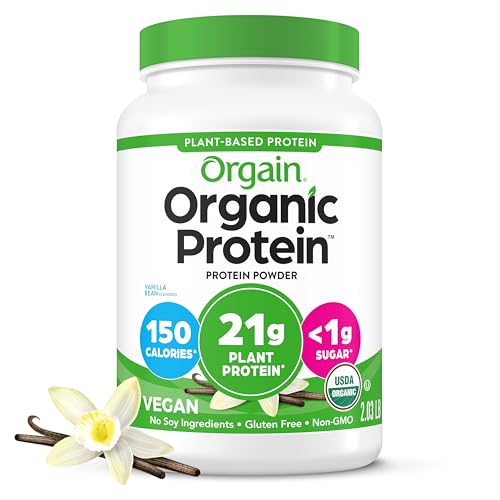
- Protein (20–30g daily): Add plant-based protein powder (pea or hemp) to 1–2 juices, or drink nut milks (almond, cashew, hemp) between juices
- Healthy fats: Blend avocado into green juices, add coconut milk, or consume chia/flax seeds (blended, not juiced) — fat is required for absorption of vitamins A, D, E, and K
- Fiber option: Consider blending some meals instead of juicing all of them — blending retains fiber, which feeds beneficial gut bacteria and slows blood sugar absorption
As Northwestern Medicine recommends: "If you love juicing, consider blending instead."
How Do You Structure Your Daily Juice Schedule?
A safe juice cleanse schedule spaces 6–8 juices and shakes every 2–3 hours throughout the day, alternating between green vegetable juices, protein shakes, and hydrating beverages. This maintains steadier energy levels and prevents the extreme blood sugar crashes that cause headaches, dizziness, and irritability.
| Time | Juice or Shake | Key Nutrients |
|---|---|---|
| 7:00 AM | Green juice (kale, cucumber, celery, lemon, ginger) + almond milk | Vitamins A, C, K; electrolytes |
| 9:30 AM | Protein smoothie (almond milk, pea protein, banana, spinach, avocado) | 20g protein, healthy fats, fiber |
| 12:00 PM | Carrot-beet-apple juice (80% vegetables, 20% fruit) | Beta-carotene, nitrates, iron |
| 3:00 PM | Green juice + coconut water | Electrolytes, potassium, vitamin C |
| 6:00 PM | Savory tomato-cucumber-bell pepper juice | Lycopene, vitamin C, low sugar |
| 8:00 PM | Cashew milk with cinnamon and turmeric | Protein, healthy fats, calming |
- Water: 8–10 cups throughout the day
- Herbal tea (chamomile, peppermint): Calming, zero calories
- Coconut water: Natural electrolytes (potassium, sodium, magnesium)
Activity guidelines during the cleanse:
- ✅ Gentle yoga, walking, stretching — supportive and safe
- ❌ Intense exercise, heavy lifting, running — low energy increases injury risk
- ✅ Prioritize 7–9 hours of sleep — your body needs extra rest on reduced calories

How Do You Monitor Your Body and Know When to Stop?
Listening to your body during a juice cleanse is a safety requirement, not a suggestion. Mild hunger and low energy are expected, but severe symptoms like dizziness, heart palpitations, or extreme weakness are warning signs that you should stop immediately and eat solid food.

Normal symptoms (expected and manageable):
- Mild hunger, especially days 1–2
- Slight fatigue or low energy
- Mild headache (often caffeine withdrawal)
- Increased urination from high fluid intake
- Temporary bloating from high-fructose juices
Warning signs — STOP the cleanse and eat solid food immediately:
- Severe dizziness or lightheadedness
- Heart palpitations or racing heartbeat
- Extreme weakness or inability to concentrate
- Fainting or near-fainting episodes
- Persistent diarrhea leading to dehydration
- Signs of low blood sugar: shakiness, confusion, sweating
A [7] published in Nutrients found that even a 3-day juice-only diet triggered significant increases in inflammation-linked bacteria in both the gut and oral microbiome. The juice-only group showed worse outcomes than participants who combined juice with whole foods or ate a plant-based whole food diet — suggesting that removing fiber through juicing may actively harm the microbiome rather than help it.
Houston Methodist confirms that juice cleanses are "almost completely devoid of protein, healthful fats and certain vitamins like B12 — all of which are vital to health."
Maximum duration: 1–3 days for most healthy adults. Anything beyond 3 days exponentially increases risks of muscle loss, nutrient deficiency, and metabolic disruption. Extended fasts exceeding 7 days are medically dangerous without supervision.
How Do You Safely Transition Back to Solid Food After a Juice Cleanse?
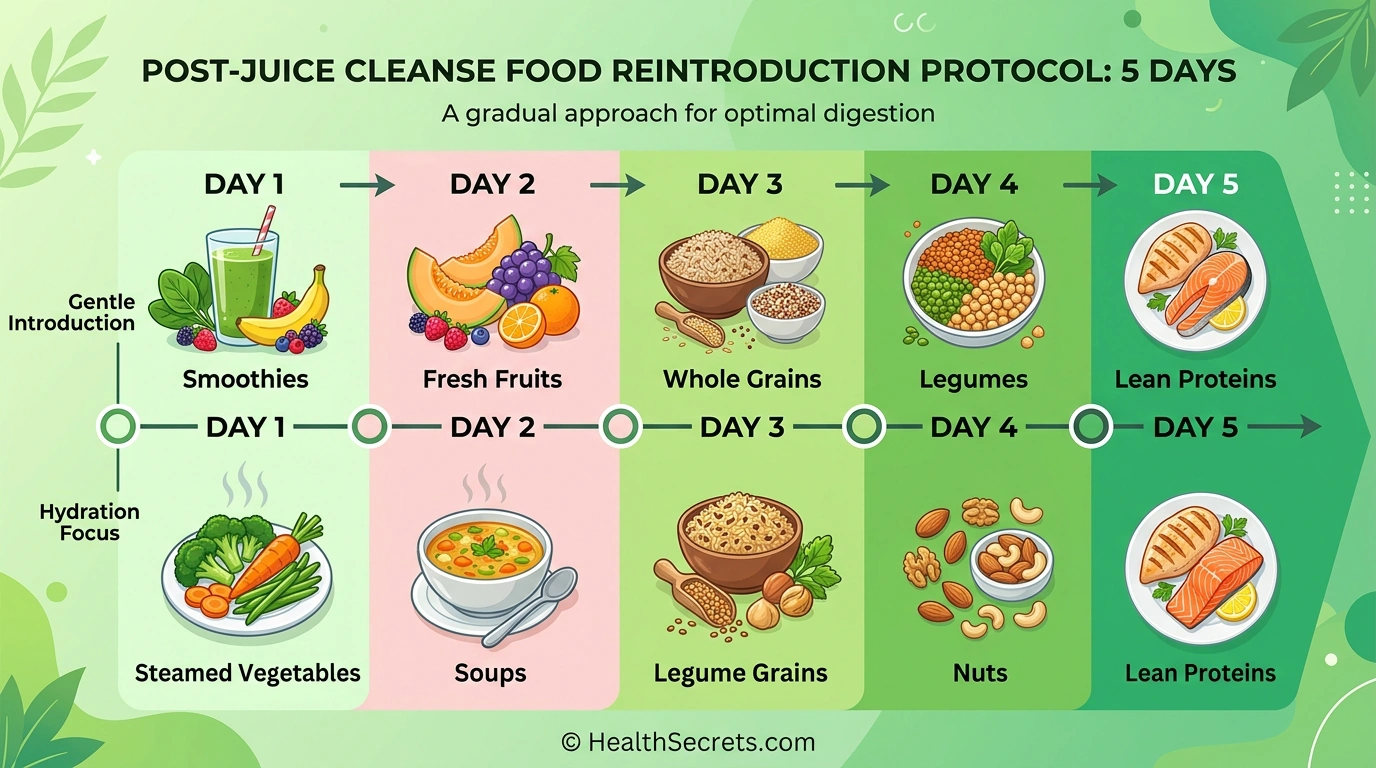
The post-cleanse transition is arguably the most critical phase — reintroducing solid food too quickly causes bloating, cramping, and diarrhea, while returning immediately to old eating habits erases any positive changes. A gradual 3–5 day reintroduction protocol preserves benefits while protecting your digestive system.
Post-cleanse days 1–2 (ease in gently):
- Smoothies — blended with fiber instead of juiced
- Fresh whole fruits — watermelon, berries, bananas (soft, easy to digest)
- Steamed vegetables — soft-cooked broccoli, carrots, zucchini
- Vegetable soups — pureed or chunky, warm and soothing
- Avoid: Heavy proteins (meat, eggs), dairy, processed foods, alcohol
Post-cleanse days 3–5 (gradually rebuild):
- Add whole grains: Quinoa, brown rice, oats
- Add legumes: Lentils, chickpeas, beans (protein and fiber)
- Add nuts and seeds: Almonds, walnuts, chia, flax
- Add lean proteins: Tofu, tempeh, fish, chicken (gradually)
- Continue high vegetable intake and 8–10 cups water daily
Long-term maintenance (the real payoff):
- Keep increased vegetable and fruit intake — aim for 5–9 servings daily
- Maintain hydration habits and mindful eating awareness
- Don't binge eat — extremely common after restrictive diets; plan balanced meals in advance
- Don't return to previous processed food habits — the dietary awareness gained is the true benefit of any cleanse
For a comprehensive approach to gut health after a cleanse, see our gut detox protocol guide.
What Are the Most Common Juice Cleanse Mistakes to Avoid?
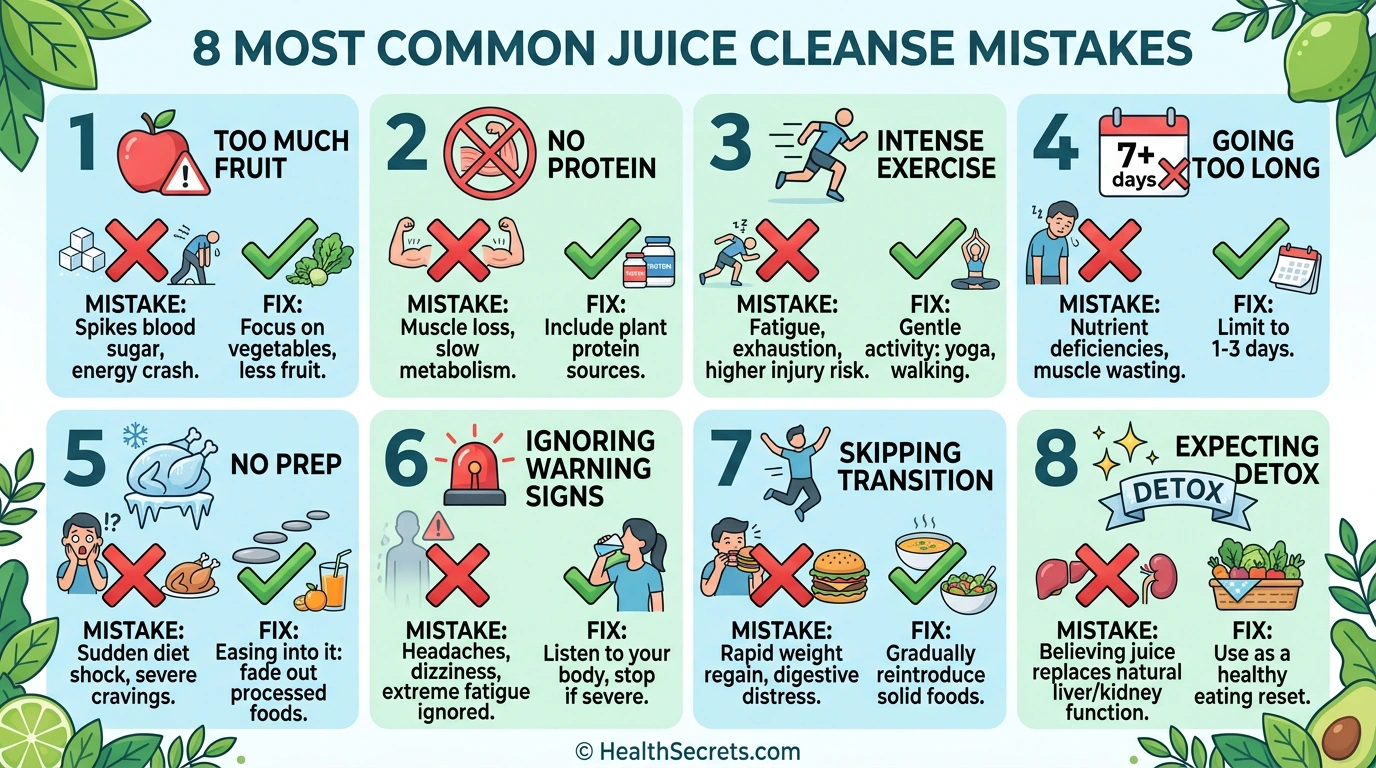
The biggest mistakes people make during juice cleanses are using too much fruit (causing blood sugar crashes), skipping protein entirely (causing muscle loss), exercising intensely on minimal calories, and expecting permanent weight loss from a short-term restriction that primarily sheds water weight.
Top mistakes and how to fix them:
- All-fruit juices: Apple and pineapple juices contain as much sugar as soda.
- Fix: 80% vegetables, 20% fruit maximum 1. Zero protein: Traditional cleanses provide only 5–15g protein daily versus 50–100g needed.
- Fix: Add plant-based protein powder and nut milks daily 1. Intense exercise: Your body is running on 800–1,300 calories.
- Fix: Gentle yoga and walking only 1. Going too long: Benefits plateau after 3 days while risks increase exponentially.
- Fix: 1–3 days maximum 1. No preparation: Starting cold turkey causes severe withdrawal symptoms.
- Fix: 3–7 day gradual transition 1. Ignoring warning signs: Pushing through dizziness and weakness is dangerous.
- Fix: Stop and eat if severe symptoms occur 1. Skipping post-cleanse transition: Jumping straight to heavy meals causes digestive distress.
- Fix: Follow 3–5 day reintroduction protocol 1. Expecting "detox": Your liver and kidneys detoxify you around the clock.
- Fix: Reframe the goal as a dietary reset, not a medical treatment
Better alternatives to consider:
- Smoothie cleanse: Retains all fiber — better for gut bacteria, blood sugar, and satiety
- Whole-food plant-based reset (7–30 days): Eliminates processed foods while keeping protein, fat, and fiber
- Elimination diet: Systematically identifies food sensitivities
- Simply increasing daily vegetable intake: The most sustainable approach with identical long-term benefits
Learn more about evidence-based detox approaches in our complete detox and cleansing guide.
Is a Juice Cleanse Safe and When Should You See a Doctor?
Juice cleanses are generally safe for healthy adults when limited to 1–3 days with proper modifications including added protein, vegetable-focused composition, and adequate hydration. However, they pose serious risks for people with diabetes, kidney disease, eating disorders, and those on certain medications — these groups should avoid juice cleanses entirely.
The [5] confirms that weight lost during juice cleanses comes from water and muscle, not fat. The most concerning recent evidence comes from a [2] published in Nutrients comparing three groups over 3 days. The juice-only group showed significant increases in inflammation-linked bacteria, while the whole-food group showed beneficial bacterial changes.
A [16] demonstrated that even short-term juice fasting (3 days at ~300 kcal daily) produced measurable changes in gut microbial composition, with unclear long-term implications.
When to see a doctor:
- Before starting if you have any chronic health condition or take medications
- Immediately if you experience persistent dizziness, fainting, heart palpitations, or severe gastrointestinal distress
- If symptoms don't resolve within 24 hours of ending the cleanse
For information about activated charcoal as a detox supplement (commonly paired with juice cleanses), see our activated charcoal guide.
Action Plan
What Should You Do First to Start a Safe Juice Cleanse?
Follow the sequence below, work through each phase in order, and use the checklist as your practical implementation guide.
Start by confirming you have no medical contraindications, then follow this phased action plan covering preparation, execution, and post-cleanse transition. The entire process takes approximately 10–14 days from preparation through reintroduction of solid foods.
Phase 1: Assess and Decide (Day 1)
- Confirm no contraindications (diabetes, kidney disease, pregnancy, eating disorders, medications)
- Set realistic expectations — this is a dietary reset, not a detox or lasting weight loss solution
- Choose duration: 1 day (beginner), 2 days (intermediate), or 3 days (maximum)
- Consult your doctor if you have any health conditions
Phase 2: Prepare (Days 2–8)
- Gradually reduce processed foods, sugar, alcohol, and caffeine over 5–7 days
- Increase fruits, vegetables, and whole grains daily
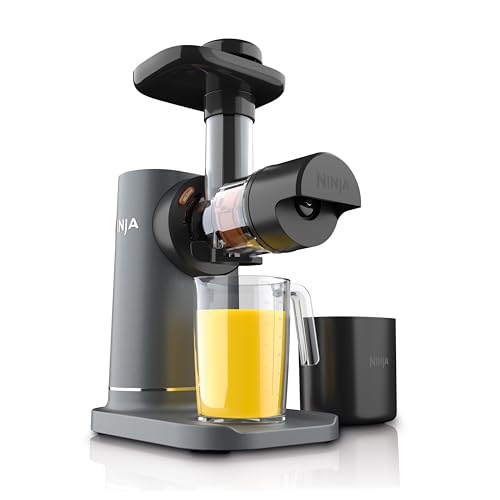
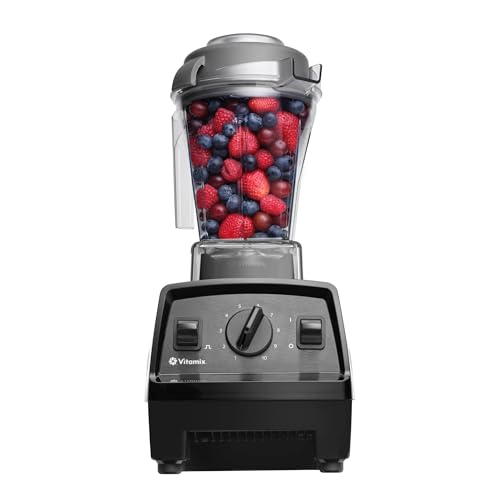
- Purchase a quality masticating juicer or high-powered blender
- Buy organic vegetables, fruits, nut milks, and plant-based protein powder
- Hydrate consistently — 8–10 cups water daily
Phase 3: Cleanse (1–3 Days)
- Follow 80/20 vegetable-to-fruit ratio in all juices
- Add protein daily: nut milks and plant-based protein powder (20–30g)
- Add fat: avocado or coconut milk in at least 1–2 juices
- Consume 6–8 juices and shakes every 2–3 hours
- Hydrate with water, herbal tea, and coconut water (8–10 cups)
- Light activity only — gentle yoga and walking
- Monitor symptoms — stop immediately if severe dizziness, weakness, or palpitations occur
Phase 4: Transition Back (Days 1–5 Post-Cleanse)
- Days 1–2: Smoothies, fresh fruits, steamed vegetables, vegetable soups
- Days 3–5: Add whole grains, legumes, nuts, lean proteins (gradually)
- Maintain high vegetable intake and hydration long-term
- Plan balanced meals to prevent post-cleanse binge eating