
Living with psoriasis means living with unpredictability. One week your skin is manageable, the next a stress-fueled flare sends angry red plaques crawling across your elbows, scalp, or knees. Affecting 2–3% of the global population — roughly 7.5 million Americans — psoriasis is far more than a cosmetic nuisance. It is a chronic autoimmune condition driven by an overactive immune system that accelerates skin cell turnover from a normal 28-day cycle down to just 3–4 days.
Conventional treatments like topical corticosteroids and biologics remain the backbone of psoriasis management, and you should always work closely with a dermatologist. But a growing body of clinical research shows that natural remedies can play a meaningful complementary role — reducing inflammation, easing symptoms, and potentially lowering the frequency of flares when used alongside medical treatment.
For a deeper understanding of how inflammation drives chronic conditions, explore our Inflammation and Pain Relief Guide. If you suspect gut health is contributing to your flares, our Complete Guide to Gut Health covers the gut-skin connection in detail.
What Is Psoriasis and Why Do Natural Remedies Help as Complementary Treatment?
Psoriasis is a chronic autoimmune condition where overactive T-cells trigger rapid skin cell production, creating inflamed, scaly plaques. Natural remedies help by targeting the inflammatory cytokines (TNF-alpha, IL-17, IL-23) that drive this process, modulating immune response, and supporting skin barrier repair. They work best as complementary approaches alongside conventional dermatological treatment.
Plaque psoriasis accounts for 80–90% of cases and is characterized by raised, red patches covered with silvery-white scales. The condition has a strong genetic component — about 40% of patients have a family history — but environmental triggers like stress, infections (particularly strep throat), skin injury (Koebner phenomenon), certain medications, cold weather, alcohol, and smoking activate the genetic predisposition.
Psoriasis also carries significant comorbidity risks. Up to 30% of patients develop psoriatic arthritis, and the chronic systemic inflammation increases cardiovascular disease risk. This makes anti-inflammatory natural remedies particularly valuable — they may address not just skin symptoms but the underlying inflammatory burden.
How Do Omega-3 Fatty Acids Reduce Psoriasis Inflammation?
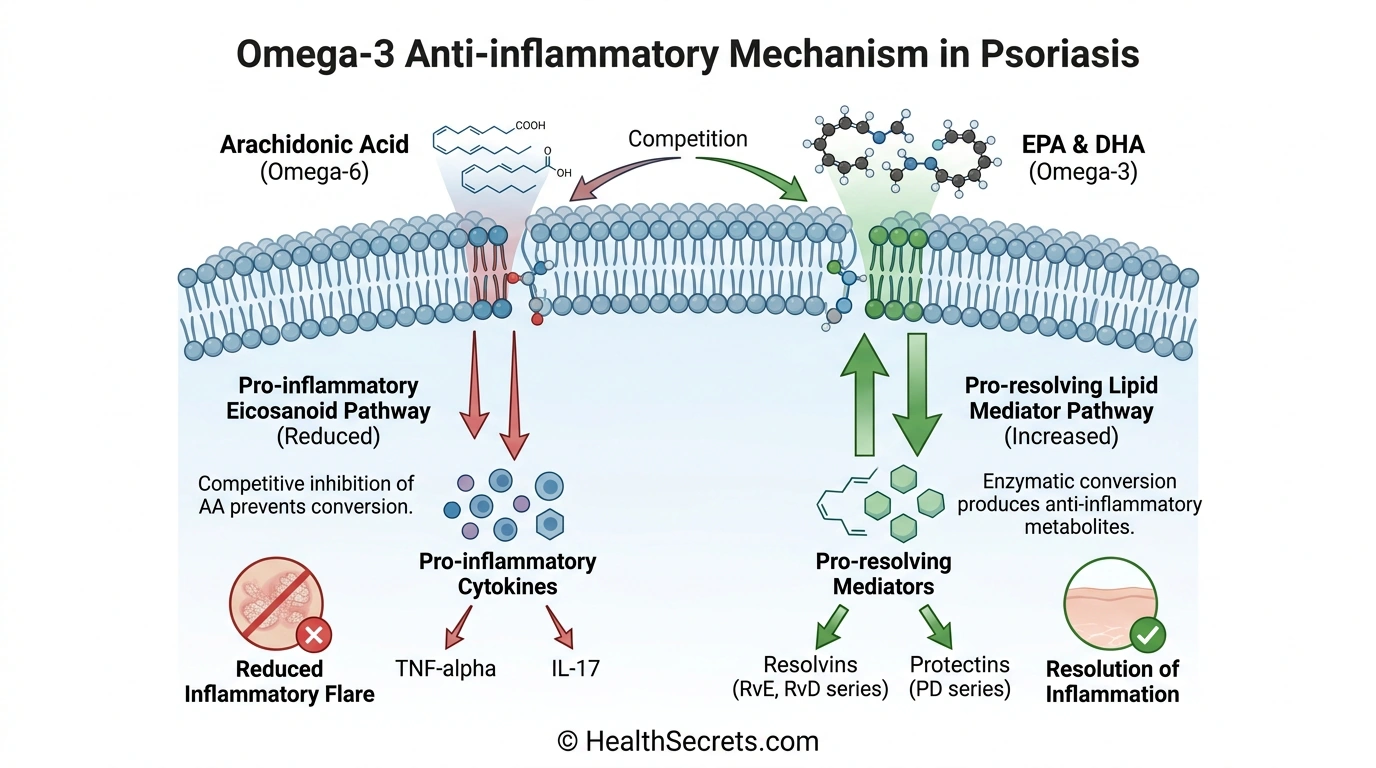
Omega-3 fatty acids reduce psoriasis inflammation by competing with pro-inflammatory omega-6 fatty acids (arachidonic acid) for enzymatic pathways, lowering levels of inflammatory cytokines TNF-alpha and IL-17, and producing anti-inflammatory resolvins and protectins. A 2019 meta-analysis found omega-3 supplementation significantly reduced PASI scores by -1.58 points, with notable improvements in erythema and scaling.
What Omega-3 Dosage Works Best for Psoriasis?
Psoriasis requires higher omega-3 doses than general health supplementation. Clinical trials showing benefit used 3–4g of combined EPA and DHA daily — roughly triple the typical heart-health dose. EPA (eicosapentaenoic acid) appears particularly important for skin inflammation.
The best dietary sources include fatty fish like salmon, mackerel, sardines, and herring (aim for 3–4 servings weekly). However, reaching therapeutic doses typically requires supplementation with high-quality fish oil or algae oil (for vegans).
Expect 8–12 weeks of consistent supplementation before evaluating results. Studies show the greatest improvements occur with higher dosages and longer treatment periods. Omega-3s are generally safe but may increase bleeding risk at very high doses — use caution if you take blood thinners.
How Does Vitamin D Help Manage Psoriasis Symptoms?
Vitamin D helps manage psoriasis by slowing the rapid keratinocyte (skin cell) proliferation that creates plaques, reducing local inflammation, and normalizing skin cell differentiation. Topical vitamin D analogues (calcipotriene, calcitriol) are established prescription treatments, while oral supplementation may benefit the many psoriasis patients who have low serum vitamin D levels.
Should You Use Topical or Oral Vitamin D for Psoriasis?
Topical vitamin D (prescription calcipotriene or calcitriol) is significantly more effective than oral supplementation for directly treating plaques. Applied directly to affected areas, it slows skin cell growth at the site. Your dermatologist may prescribe it alone or combined with topical corticosteroids for enhanced efficacy.
Oral vitamin D supplementation (2,000–4,000 IU daily) addresses a different angle. Psoriasis patients frequently have low serum vitamin D levels, and a 2017 review found 88% clinical improvement in psoriasis with oral vitamin D supplementation in deficient patients. A 2023 JAMA Dermatology RCT, however, showed no significant effect in patients with lower-range (but not deficient) vitamin D levels — suggesting the benefit is greatest when correcting actual deficiency.
Target serum 25(OH)D levels of 40–60 ng/mL. Have your levels checked before supplementing, and avoid exceeding 4,000 IU daily without medical supervision due to hypercalcemia risk.
Can Curcumin Reduce Psoriasis Plaque Severity?
Yes, curcumin — the active compound in turmeric — can reduce psoriasis plaque severity by inhibiting NF-κB (a key inflammatory signaling pathway), reducing TNF-alpha and IL-17 levels, providing antioxidant protection, and slowing keratinocyte proliferation. A systematic review found that curcumin alone or combined with conventional treatments can effectively treat psoriasis, with clinical studies showing reduced PASI scores and plaque thickness.

How Should You Take Curcumin for Psoriasis?
Oral curcumin requires enhanced bioavailability formulations because standard curcumin is less than 1% bioavailable. Choose supplements with:
- Phytosome technology (Meriva) — 29x greater absorption than standard curcumin
- Piperine (black pepper extract) — increases absorption by up to 2,000%
- Liposomal formulations — improved absorption through lipid encapsulation
Dose: 1,000–2,000 mg curcumin daily with one of the above absorption enhancers. A clinical study using 1% curcumin alcoholic gel topically found 90% resolution in half the patients within 2–6 weeks.
Topical curcumin (1% gel) applied directly to plaques has shown potent anti-inflammatory effects in clinical studies, reducing redness and scaling. However, curcumin stains skin yellow temporarily — apply at night and wash in the morning.
Curcumin may interact with blood thinners and diabetes medications. Allow 8–12 weeks for full oral effects.
How Effective Is Aloe Vera for Psoriasis Plaques?
Aloe vera is remarkably effective for mild-to-moderate plaque psoriasis. In a landmark double-blind, placebo-controlled study, topical aloe vera 0.5% extract in hydrophilic cream cured 83.3% of patients (25/30) compared to just 6.6% with placebo, significantly reducing PASI scores to a mean of 2.2. A separate randomized trial found aloe vera cream comparable to 0.1% triamcinolone acetonide (a prescription corticosteroid) for reducing clinical symptoms.
What Is the Best Way to Apply Aloe Vera for Psoriasis?
Use pure aloe vera gel (99%+) or a standardized 0.5% aloe vera extract cream. Apply a thin layer to affected plaques 2–3 times daily, gently massaging until absorbed. The gel provides:
- Anti-inflammatory action — reduces redness and swelling
- Wound healing — supports skin repair in damaged areas
- Moisturizing — prevents dryness that worsens scaling
- Cooling relief — soothes itching and burning sensations
Aloe vera is one of the safest topical options for long-term use — unlike corticosteroids, it carries no risk of skin thinning with prolonged application. For best results, apply after bathing when skin is still slightly damp to lock in moisture. Commercial aloe vera products vary widely in quality — avoid those with added fragrances, dyes, or alcohol, which can irritate psoriatic skin.

Nordic Naturals Ultimate Omega
Best Omega-3Nordic Naturals · Systemic anti-inflammatory support for psoriasis
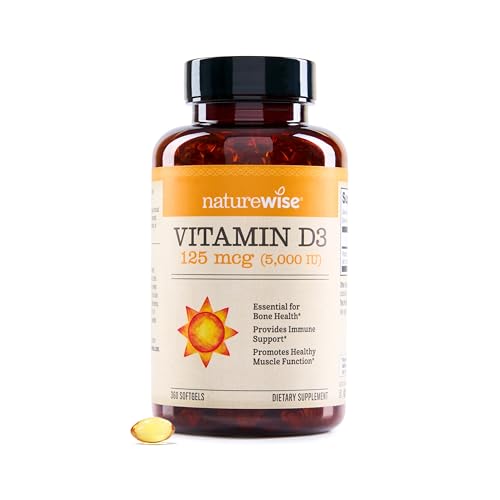
NatureWise Vitamin D3 5000 IU
Best Vitamin DNatureWise Vitamin · Correcting vitamin D deficiency in psoriasis patients

Thorne Curcumin Phytosome 1000 mg (Meriva)
Best CurcuminThorne Curcumin · Targeted anti-inflammatory action for psoriasis plaques
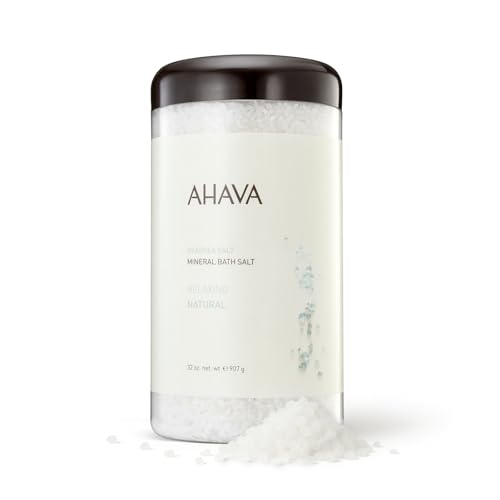
AHAVA Dead Sea Mineral Bath Salt
Best Bath SaltAHAVA Dead · Scale removal, skin hydration, and mineral soaking therapy

Renew Life Ultimate Flora Extra Care 50 Billion
Best ProbioticRenew Life · Gut-skin axis support and systemic inflammation reduction
Seven Minerals Organic Aloe Vera Gel
Best TopicalSeven Minerals · Direct soothing relief for psoriasis plaques
Read the detailed review cards below before opening any retailer link
Top Recommended Products
Nordic Naturals
Nordic Naturals Ultimate Omega
Nordic Naturals is the gold standard for omega-3 quality and purity. The high EPA content is particularly relevant for psoriasis, as EPA competes directly with pro-inflammatory arachidonic acid. Third-party testing ensures no heavy metal contamination.
Vorteile
- + High EPA content ideal for inflammation
- + lemon flavor eliminates fishy aftertaste
- + triglyceride form for better absorption
- + #1 selling omega-3 in US
Nachteile
- - Requires 4–6 soft gels daily to reach therapeutic 3–4g dose for psoriasis
Warum wir es aufgenommen haben: Nordic Naturals is the gold standard for omega-3 quality and purity. The high EPA content is particularly relevant for psoriasis, as EPA competes directly with pro-inflammatory arachidonic acid. Third-party testing ensures no heavy metal contamination.
Der Händler-Link öffnet Amazon nach den oben genannten Produktdetails
NatureWise Vitamin
NatureWise Vitamin D3 5000 IU
Psoriasis patients are frequently vitamin D deficient, and correcting this deficiency can improve treatment response. NatureWise offers the best combination of quality, value, and third-party certification at a dose appropriate for most deficient adults.
Vorteile
- + Exceptional value (1-year supply)
- + tiny softgels easy to swallow
- + organic olive oil enhances absorption
- + NSF certified
Nachteile
- - 5000 IU may be more than needed for some patients (consult doctor for correct dose)
Warum wir es aufgenommen haben: Psoriasis patients are frequently vitamin D deficient, and correcting this deficiency can improve treatment response. NatureWise offers the best combination of quality, value, and third-party certification at a dose appropriate for most deficient adults.
Der Händler-Link öffnet Amazon nach den oben genannten Produktdetails
Thorne Curcumin
Thorne Curcumin Phytosome 1000 mg (Meriva)
Standard curcumin has less than 1% bioavailability, making most supplements ineffective. Thorne uses Meriva — the most clinically studied curcumin formulation — which achieves plasma levels equivalent to taking 29x more standard curcumin. This is critical for reaching therapeutic concentrations needed to inhibit NF-κB.
Vorteile
- + Clinically studied Meriva formulation
- + 29x better absorption than ordinary curcumin
- + NSF third-party certified
- + trusted medical-grade brand
Nachteile
- - Higher price per serving than standard curcumin supplements
Warum wir es aufgenommen haben: Standard curcumin has less than 1% bioavailability, making most supplements ineffective. Thorne uses Meriva — the most clinically studied curcumin formulation — which achieves plasma levels equivalent to taking 29x more standard curcumin. This is critical for reaching therapeutic concentrations needed to inhibit NF-κB.
Der Händler-Link öffnet Amazon nach den oben genannten Produktdetails
AHAVA Dead
AHAVA Dead Sea Mineral Bath Salt
AHAVA sources directly from the Dead Sea, ensuring the full 33% mineral concentration that clinical studies have shown beneficial for psoriasis. The mineral-rich soak removes scales gently, reduces inflammation, and improves skin barrier function — all without prescription.
Vorteile
- + Genuine Dead Sea origin
- + 21 essential minerals
- + relaxing bath ritual supports stress management
- + proven benefit for psoriatic skin
Nachteile
- - Requires regular repurchasing for 2–3 baths weekly
Warum wir es aufgenommen haben: AHAVA sources directly from the Dead Sea, ensuring the full 33% mineral concentration that clinical studies have shown beneficial for psoriasis. The mineral-rich soak removes scales gently, reduces inflammation, and improves skin barrier function — all without prescription.
Der Händler-Link öffnet Amazon nach den oben genannten Produktdetails
Renew Life
Renew Life Ultimate Flora Extra Care 50 Billion
The gut-skin axis is increasingly recognized as a driver of psoriasis. Renew Life provides the strain diversity and therapeutic dose needed to meaningfully rebalance the gut microbiome, supporting reduced systemic inflammation that manifests as skin improvement.
Vorteile
- + 12 diverse Lactobacillus and Bifidobacterium strains
- + high CFU count
- + delayed-release for intestinal delivery
- + shelf stable
Nachteile
- - Requires 8–12 weeks of consistent use for measurable psoriasis benefit
Warum wir es aufgenommen haben: The gut-skin axis is increasingly recognized as a driver of psoriasis. Renew Life provides the strain diversity and therapeutic dose needed to meaningfully rebalance the gut microbiome, supporting reduced systemic inflammation that manifests as skin improvement.
Der Händler-Link öffnet Amazon nach den oben genannten Produktdetails
Seven Minerals
Seven Minerals Organic Aloe Vera Gel
Clinical trials used 0.5% aloe vera extract with remarkable results — 83.3% cure rate in a double-blind study. A pure, high-quality aloe vera gel provides the anti-inflammatory, wound-healing, and moisturizing benefits shown in research without irritating additives that can worsen psoriatic skin.
Vorteile
- + High-purity organic formula
- + no added fragrances or dyes
- + non-staining
- + safe for long-term daily use
Nachteile
- - Pure aloe vera has a limited shelf life once opened (refrigerate)
Warum wir es aufgenommen haben: Clinical trials used 0.5% aloe vera extract with remarkable results — 83.3% cure rate in a double-blind study. A pure, high-quality aloe vera gel provides the anti-inflammatory, wound-healing, and moisturizing benefits shown in research without irritating additives that can worsen psoriatic skin.
Der Händler-Link öffnet Amazon nach den oben genannten Produktdetails
How Do Dead Sea Salt Baths and Probiotics Support Psoriasis Management?
Dead Sea salt baths and probiotics address psoriasis through two complementary mechanisms. Dead Sea salt — containing 33% mineral concentration versus 3% in ocean water — removes scales, reduces inflammation, and improves skin barrier function through magnesium, calcium, potassium, and bromide. Probiotics target the gut-skin axis, where gut dysbiosis (microbial imbalance) drives systemic inflammation that manifests as skin disease.

How Should You Use Dead Sea Salt Baths for Psoriasis?
Add 1–2 cups of genuine Dead Sea salt to a warm (not hot) bath and soak for 15–20 minutes, 2–3 times weekly. A double-blind study found significantly greater symptom reduction with Dead Sea salt baths (43.6% improvement) compared to common table salt (24%). The mineral-rich composition helps:
- Remove adherent scales without mechanical irritation
- Reduce redness and inflammation
- Improve skin hydration and barrier function
Always moisturize immediately after bathing — within 3 minutes — with a thick, fragrance-free cream or ointment to seal in moisture.
Can Probiotics Help Psoriasis Through the Gut-Skin Connection?
Emerging research links gut dysbiosis to psoriasis through increased intestinal permeability (“leaky gut”), which allows inflammatory molecules to enter the bloodstream and trigger skin inflammation. Multi-strain probiotics containing Lactobacillus and Bifidobacterium species (10–20 billion CFU daily) may help by reducing systemic inflammation, improving gut barrier integrity, and modulating immune response. Allow 8–12 weeks for effects, as microbiome rebalancing is gradual.
What Dietary and Lifestyle Changes Help Manage Psoriasis Naturally?
The most impactful lifestyle changes for psoriasis include adopting an anti-inflammatory diet rich in omega-3s and antioxidants, managing stress through meditation or yoga, maintaining a healthy weight, avoiding alcohol and tobacco, moisturizing religiously, and getting moderate sun exposure (10–15 minutes daily without burning). These modifications address the systemic inflammation underlying psoriasis.
- Anti-inflammatory diet — emphasize vegetables, fruits, fatty fish, nuts, olive oil, and whole grains while minimizing processed foods, excess sugar, and red meat
- Stress management — the single biggest modifiable trigger. Meditation, yoga, deep breathing, and therapy can significantly reduce flare frequency
- Weight management — obesity worsens psoriasis; studies show weight loss improves symptoms and treatment response
- Avoid alcohol — a documented trigger for many patients and may reduce treatment effectiveness
- Stop smoking — worsens psoriasis severity and reduces response to treatment
- Moisturize daily — thick creams or ointments applied immediately after bathing prevent dryness and reduce scaling
- Moderate sun exposure — 10–15 minutes of natural UV-B daily can benefit psoriasis, but avoid sunburn (can trigger Koebner phenomenon)
- Avoid harsh soaps — use gentle, fragrance-free cleansers to prevent irritation
What Safety Precautions Should You Take with Natural Psoriasis Remedies?
While natural remedies are generally safer than prescription medications for long-term use, important precautions include monitoring for interactions between supplements and prescribed treatments, avoiding excessive vitamin D intake (hypercalcemia risk), using caution with curcumin and omega-3s if you take blood thinners, and never discontinuing prescribed treatments in favor of natural remedies without consulting your dermatologist.

- Omega-3 fish oil — may increase bleeding risk at doses above 3g daily; caution with warfarin and antiplatelet drugs
- Vitamin D — do not exceed 4,000 IU daily without medical supervision; risk of hypercalcemia with high doses
- Curcumin — may interact with blood thinners, diabetes medications; high-dose supplements may cause liver issues in rare cases
- Aloe vera — generally very safe topically; discontinue if irritation occurs; avoid on open or infected wounds
- Dead Sea salt — may sting on cracked or open skin; avoid very hot water (worsens inflammation)
- Probiotics — use caution if immunocompromised (consult doctor first)
- When to see a dermatologist immediately — psoriasis covering >10% of body, joint pain (psoriatic arthritis), infected plaques, not responding to treatment, sudden worsening
Action Plan
What Is the Best Step-by-Step Action Plan for Managing Psoriasis Naturally?
Follow the sequence below, work through each phase in order, and use the checklist as your practical implementation guide.
Start with the highest-evidence interventions first (omega-3s and vitamin D), then layer in additional approaches every 2–4 weeks while tracking your response. Always maintain your prescribed dermatological treatments and keep your dermatologist informed of any supplements you add.
Phase 1: Foundation (Weeks 1–4)
- Schedule a dermatology appointment to discuss complementary approaches
- Start high-dose omega-3 supplementation (3–4g EPA+DHA daily)
- Check serum vitamin D levels; supplement if below 40 ng/mL (2,000–4,000 IU daily)
- Begin daily Dead Sea salt baths (2–3 times weekly)
- Start a trigger diary tracking stress, diet, weather, and flare patterns
Phase 2: Targeted Topicals (Weeks 5–8)
- Add pure aloe vera gel to affected areas (2–3 times daily)
- Introduce curcumin supplementation (1,000 mg with piperine daily)
- Implement anti-inflammatory diet principles
- Begin stress management practice (meditation, yoga, or deep breathing)
Phase 3: Gut-Skin Optimization (Weeks 9–12)
- Start a multi-strain probiotic (10–20 billion CFU daily)
- Evaluate and adjust supplements based on symptom tracking
- Review trigger diary patterns and modify lifestyle accordingly
Phase 4: Maintenance (Ongoing)
- Continue effective supplements and lifestyle practices
- Regular dermatology follow-ups every 3–6 months
- Seasonal adjustments (increase moisturizing and vitamin D in winter)

