Skip to content
Health Secrets
← All Tools

Caffeine Half-Life Calculator

See how caffeine decays in your body hour-by-hour and whether it will still be active at bedtime. Based on the average 5.7-hour half-life.

咖啡因药理学原理

咖啡因是全球使用最广泛的精神活性物质,约 80% 的成年人每天都会摄入。其作用机制是阻断大脑中的腺苷受体——腺苷是一种在清醒期间不断积累并诱发困意的分子。通过阻断这些受体,咖啡因可以推迟疲劳感的产生,从而提高警觉性、反应速度并改善情绪。然而,摄入时机、剂量以及个人基因差异,会显著影响咖啡因对你是“助力”还是“负担”。

Key Facts

  • 咖啡因的半衰期为 5-6 小时——这意味着下午 3 点喝的咖啡,到晚上 11 点仍有 25% 的活性成分留在体内
  • CYP1A2 基因决定了你是属于“快速代谢型”还是“慢速代谢型”咖啡因使用者
  • 摄入后 30-60 分钟血液中的咖啡因浓度达到峰值
  • 长期规律摄入会在 7-12 天内产生耐受性,导致需要更大的剂量才能达到相同的效果
  • 咖啡因只是阻断了腺苷,而非消除腺苷——腺苷会持续积累,导致咖啡因代谢后出现“能量崩塌(crash)”
  • 最佳表现剂量为每公斤体重 3-6 毫克(大多数成年人为 200-400 毫克)

咖啡因摄入时机:腺苷管理策略

睡眠研究专家 Andrew Huberman 博士建议,醒后 90-120 分钟再摄入咖啡因。其原理在于:在清醒后的最初 90 分钟内,人体会通过皮质醇的觉醒反应自然清除腺苷。如果起床后立即摄入咖啡因,腺苷会在咖啡因的阻断作用下在“幕后”悄悄积累;当咖啡因药效消退时,积压的腺苷会瞬间爆发,导致下午出现严重的疲劳感。通过延迟摄入,你可以先让身体自然清除腺苷,再利用咖啡因来阻断下午腺苷的再次积累,从而实现能量的持续稳定,避免能量崩塌。

Frequently Asked Questions

最晚什么时候喝咖啡才不会影响睡眠? +

原则上,应在睡前 8-10 小时停止摄入咖啡因(若晚上 10 点睡觉,建议在中午到下午 2 点前完成摄入)。即使你觉得“喝完咖啡也能睡着”,研究表明,咖啡因会悄无声息地降低 20% 的深睡质量——这是通过脑电图(EEG)测量的客观指标,而非主观感受。

每天摄入 400 毫克咖啡因安全吗? +

对于大多数健康成年人来说是安全的——美国 FDA 和欧洲食品安全局 (EFSA) 都将每日 400 毫克设定为安全上限。然而,孕妇应将摄入量限制在 200 毫克以内;患有焦虑症、心律失常或 CYP1A2 代谢缓慢的人群可能需要更低的摄入量。

咖啡因真的能提升运动表现吗? +

是的,提升非常显著。荟萃分析显示,咖啡因能提高耐力表现 2-4%、力量表现 2-7%、反应速度 5-10%,并能提升多个领域的认知功能。最佳的增进运动表现剂量是运动前 30-60 分钟摄入每公斤体重 3-6 毫克的咖啡因。

我需要周期性地停止摄入咖啡因吗? +

每 2-3 个月进行一次为期 7-14 天的“耐受性重置”,可以恢复身体对咖啡因的敏感度。在戒断期间(第 1-3 天),可能会出现头痛和疲劳。另一种方法是每周仅摄入 3-4 天,这样可以防止身体产生完全耐受。

Recommended Reading

Deepen your understanding with these evidence-based guides:

Sleep Optimization: Complete Guide to Better Sleep

Sleep Optimization: Complete Guide to Better Sleep

Sleep optimization is the science-backed process of improving sleep quality, duration, and consistency through circadian rhythm alignment, sleep hygiene fundamentals, evidence-based supplements, and environmental adjustments — protecting your cognitive function, metabolic health, immune resilience, and longevity.

Read article →

Mental Wellness Guide: Natural Strategies for Mind Health

Mental Wellness Guide: Natural Strategies for Mind Health

Mental wellness goes far beyond the absence of mental illness—it's the daily practice of nurturing your brain, emotions, and cognitive function through evidence-based natural strategies. This comprehensive guide covers nutrition, sleep, stress management, the gut-brain axis, key supplements, and lifestyle changes that support lasting emotional balance and brain health.

Read article →

Sleep Hygiene: 15 Rules for Better Sleep

Sleep Hygiene: 15 Rules for Better Sleep

Sleep hygiene is a set of evidence-based habits and environmental adjustments that help you fall asleep faster, stay asleep longer, and wake up feeling restored — all without medication. This guide walks you through 15 actionable rules backed by circadian rhythm research, with practical tips for every bedroom and schedule.

Read article →

Meditation for Beginners: Complete Guide

Meditation for Beginners: Complete Guide

Meditation is a proven, accessible mental training practice that reduces stress by 25%, anxiety by 30%, and improves focus by 30%, all with zero equipment and as little as 5 to 10 minutes daily. This complete beginner’s guide walks you through eight types of meditation, provides step-by-step mindfulness instructions, addresses every common obstacle, and gives you a week-by-week action plan to build a lasting practice.

Read article →

Melatonin Guide: How to Use It Correctly

Melatonin Guide: How to Use It Correctly

Melatonin is one of the most popular sleep supplements in the world, yet most people take too much, at the wrong time, and for the wrong reasons. This evidence-based guide covers correct dosing (less is more), optimal timing, who should and shouldn't use melatonin, and how to choose a quality product.

Read article →

Omega-3 for Brain Health: DHA and EPA Benefits

Omega-3 for Brain Health: DHA and EPA Benefits

Omega-3 fatty acids—particularly DHA and EPA—are essential building blocks for brain health, supporting everything from memory and learning to mood regulation and neuroprotection. This evidence-based guide breaks down the science behind omega-3 brain benefits, compares DHA vs EPA, and helps you choose the right supplement for your cognitive goals.

Read article →

Get Evidence-Based Health Tips

Join 5,000+ readers. One weekly email with actionable health insights — no spam.

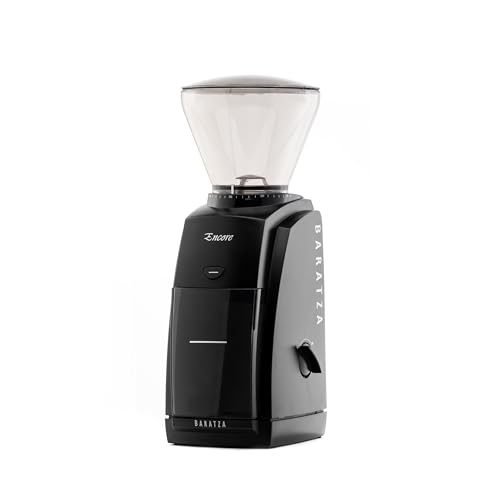
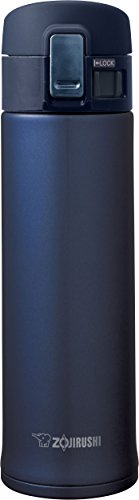
Coffee & Caffeine Products

Optimize your caffeine intake with quality coffee gear and nootropic alternatives.

As an Amazon Associate, Health Secrets earns from qualifying purchases. Prices and availability are subject to change.