Okay, let's talk about menopause. That word alone can feel loaded—like something you're supposed to just… endure. Hot flashes at the worst possible moments. Night sweats that ruin perfectly good sheets. Mood swings that make you wonder who hijacked your brain. And here's the thing: about 75–85% of women going through menopause deal with these symptoms to some degree. That's not a small number.
But what if I told you there's actually solid research behind natural remedies for menopause that can make a real difference? Not vague "wellness" promises. Real, clinical-trial-backed evidence.
Black cohosh has been shown to be significantly superior to placebo for treating neurovegetative and psychological menopausal symptoms, with a standardized mean difference of -0.694 in favor of treatment [1]. Red clover isoflavones reduced hot flashes when taken for 3–4 months [7]. Maca-GO significantly reduced both frequency and severity of hot flashes and night sweats [9]. And all four reviewed studies on sage showed it reduced hot flash frequency and severity [13].
This isn't wishful thinking. This is science catching up to what traditional medicine has known for centuries.
In this guide, you'll learn exactly how to build a natural menopause relief protocol—step by step. We'll cover which remedies have the strongest evidence, proper dosing, what to expect, and when you might need to consider other options. Whether you're in perimenopause or full menopause, there's a path forward that doesn't necessarily start with prescription hormones.
For a deeper look at how gut health connects to hormonal balance during menopause, check out our gut health complete guide. And if inflammation is making your symptoms worse, our inflammation and pain relief guide covers anti-inflammatory strategies that complement menopause support.
What Do You Need to Know Before Starting a Natural Menopause Protocol?
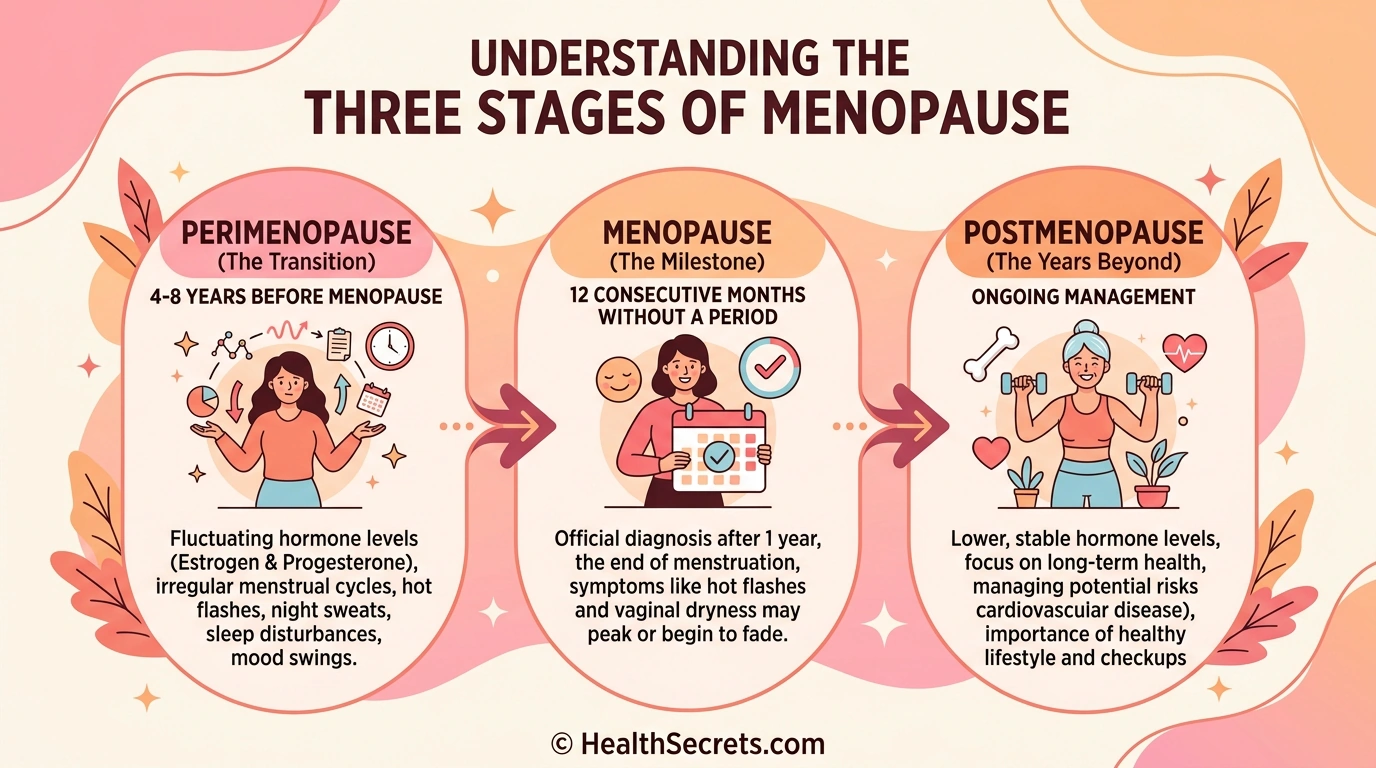
Before trying any natural remedy, you need to understand where you are in the menopause journey and what's actually happening in your body. Menopause isn't one event—it's a transition spanning years, and the right approach depends on your stage, symptoms, and health history.
- Menopause is defined as 12 consecutive months without a menstrual period. The average age is 51, but it ranges from 45 to 55.
- Perimenopause—the transition phase—can start 4–8 years earlier, with wildly fluctuating hormones that cause irregular periods, hot flashes, mood swings, and sleep disruption.
- Postmenopause is everything after, and symptoms can persist 4–10+ years.
Here's what's happening hormonally: estrogen drops by about 90%, progesterone falls to near zero, and testosterone declines too. These shifts trigger the vasomotor symptoms (hot flashes, night sweats), mood changes, vaginal dryness, weight shifts, brain fog, and joint pain that make menopause so disruptive.
Who Is This Protocol For?
This step-by-step guide works best for women with mild to moderate menopause symptoms who want to try evidence-based natural approaches before—or alongside—conventional treatment. If your symptoms are severely impacting your quality of life, hormone replacement therapy (HRT) may be the most effective option, and that's a valid choice worth discussing with your doctor.
Important Before You Start
- Get a proper diagnosis. IBS, thyroid disorders, and other conditions can mimic menopause symptoms. If you're under 40, premature menopause needs evaluation.
- Know your health history. Hormone-sensitive cancers (breast, ovarian, uterine) require extra caution with phytoestrogen supplements.
- Start one remedy at a time. This lets you identify what works and catch any side effects early.
- Give each remedy 4–8 weeks. Natural remedies aren't instant—building up in your system takes time.
- Keep a symptom diary. Track hot flash frequency, severity, mood, sleep quality, and energy levels weekly.
How Do You Use Black Cohosh for Hot Flashes and Mood Symptoms?
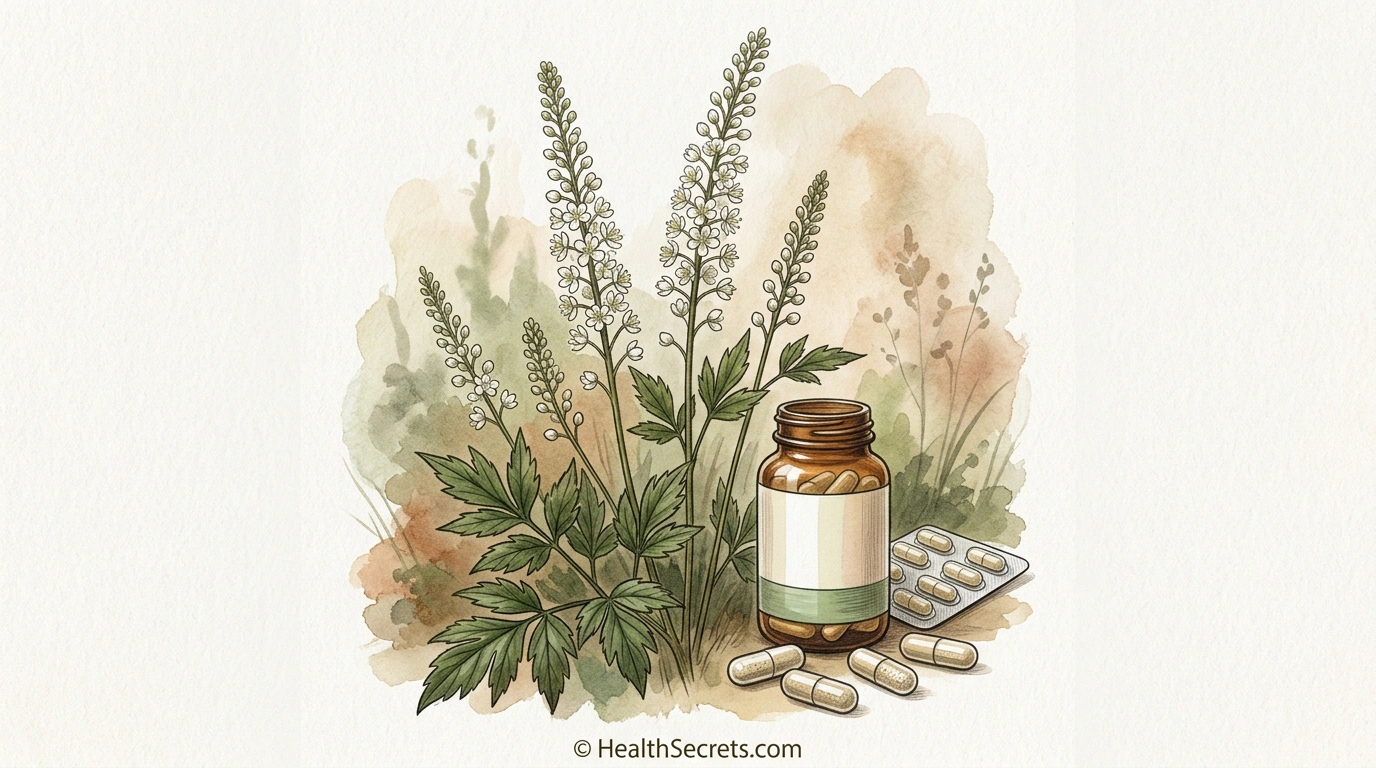
Black cohosh (Cimicifuga racemosa) is the most extensively researched herbal remedy for menopause, and the evidence is genuinely impressive. An updated meta-analysis found the isopropanolic extract of black cohosh (iCR) significantly superior to placebo for treating neurovegetative and psychological menopausal symptoms [2]. A 2024 review confirmed its potential to reduce vasomotor symptoms, particularly hot flashes and night sweats, with serotonergic rather than estrogenic mechanisms [3].
What Makes Black Cohosh Work?
The mechanism isn't fully understood, but current research points to serotonin receptor activity—not estrogenic effects. This is actually great news. It means black cohosh doesn't stimulate breast or uterine tissue, making it potentially safer for more women, including those taking tamoxifen [3]. It also has anti-inflammatory properties that help with joint pain and stiffness.
How to Take It
- Form: Isopropanolic extract (iCR) is the most studied. The brand Remifemin uses this extract.
- Dose: 20–40 mg standardized extract twice daily (40–80 mg total daily)
- Timing: Take with meals to reduce digestive upset
- Timeline: Allow 4–8 weeks for full effects. Some women notice improvements within 2 weeks.
- Duration: Safe for up to 1 year of continuous use based on clinical studies
What to Expect
Most women see a noticeable reduction in hot flash frequency and severity within 4–8 weeks. Mood symptoms—irritability, anxiety, sleep disruption—often improve too. Side effects are generally mild: occasional digestive upset or headache.
Safety Notes
- Extensive studies show no liver toxicity at recommended doses—contrary to early concerns
- No estrogenic effects on breast or uterine tissue
- Avoid if you have a history of liver disease (precautionary)
- Consult an oncologist before use if you have hormone-sensitive cancers (insufficient evidence, but generally considered safe)
How Do You Add Red Clover Isoflavones for Hot Flash Reduction?
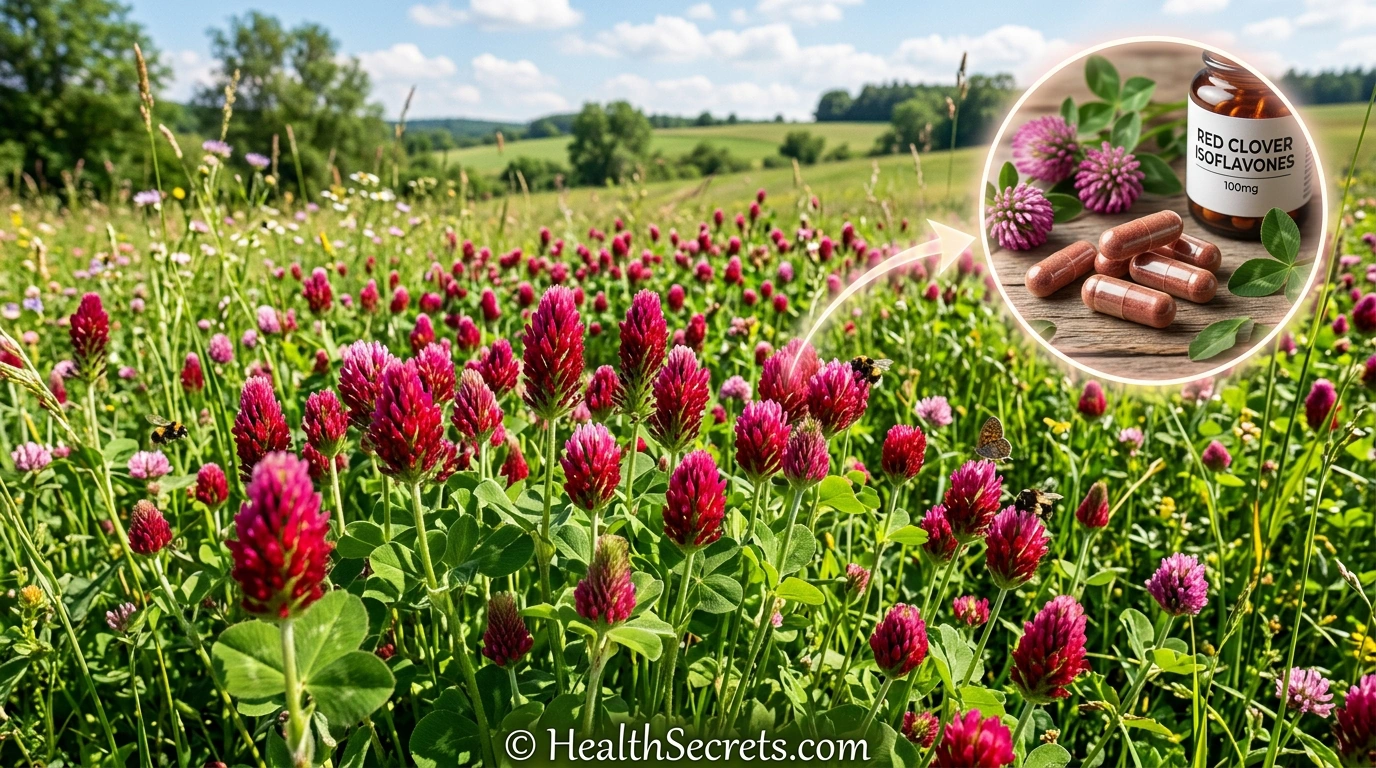
If black cohosh alone isn't enough—or if you want to layer in additional support—red clover isoflavones are your next evidence-based option. A meta-analysis of eight trials demonstrated a statistically significant reduction in daily hot flush incidence: -1.73 hot flashes per day compared to placebo [6]. Another meta-analysis confirmed effectiveness specifically when administered for 3–4 months [7].
How Red Clover Works
Red clover contains isoflavones—a type of phytoestrogen (genistein, daidzein, biochanin A, formononetin). These plant compounds have weak estrogenic activity, about 1/1000th to 1/100th the strength of human estrogen. They preferentially bind to estrogen beta receptors, which means less stimulation of breast and uterine tissue compared to actual estrogen.
How to Take It
- Form: Standardized extract (look for 40–80 mg total isoflavones per dose)
- Dose: 40–80 mg isoflavones daily
- Timeline: Slower onset than black cohosh—expect 3–4 months for meaningful effects. That meta-analysis showed the effect didn't persist at 12 months, so cycling may be beneficial.
- Timing: Take with meals
Who Should Avoid Red Clover
- Women with hormone-sensitive cancers (breast, ovarian, uterine) without oncologist approval
- Women taking tamoxifen or aromatase inhibitors
- Women on blood thinners (red clover contains coumarins)
Wait—here's something important. If you can't take phytoestrogens, skip this step entirely. Black cohosh (Step 1) and maca (Step 3) are both non-estrogenic options.
How Does Maca Root Help Balance Hormones During Menopause?
Maca (Lepidium meyenii) is fascinating because it doesn't actually contain hormones—yet it helps balance them. A double-blind, randomized, placebo-controlled trial found that Maca-GO significantly reduced both frequency and severity of individual menopausal symptoms, with hot flashes and night sweating showing the most dramatic improvement. Kupperman's Menopausal Index dropped from 22 to 10 [9]. A pilot study confirmed that 74–87% of women experienced significant symptom relief within two months [10].
How Maca Works
Maca is an adaptogen—it supports the hypothalamic-pituitary-adrenal (HPA) axis and may stimulate the body's own hormone production rather than introducing external hormones. Research showed it significantly stimulated estradiol production while suppressing FSH, increased HDL cholesterol, and reduced blood pressure and triglycerides [9].

How to Take It
- Form: Gelatinized maca powder or capsules (gelatinized is better absorbed and gentler on digestion than raw)
- Dose: 1,500–3,000 mg daily
- Colors: Yellow/cream (most common, general support), red (may support bone health), black (may improve energy and libido)
- Timeline: 4–8 weeks for noticeable effects
- Timing: Morning or early afternoon (can be energizing)
Why Maca Is a Great Option
Because it doesn't contain phytoestrogens or hormones, maca is generally safe for women with hormone-sensitive conditions. It also improves mood, energy, and libido—symptoms that black cohosh and red clover don't always address as effectively. A 2024 comprehensive review confirmed maca shows promise in alleviating menopausal symptoms and enhancing physical performance [11].
How Can Sage Reduce Hot Flashes and Night Sweats?
Sage (Salvia officinalis) has been used traditionally for centuries to reduce excessive sweating—and modern research confirms it works for menopausal hot flashes specifically. A double-blind, placebo-controlled study showed sage reduced the Menopause Rating Scale by 39.2% and Hot Flash Score by 55.3% within 4 weeks [14]. A 2023 systematic review and meta-analysis confirmed that all four reviewed studies showed sage reduced the frequency and severity of hot flashes in postmenopausal women [13].
How Sage Works
Sage contains phytoestrogens, antioxidants, and anti-inflammatory compounds. It appears to affect thermoregulation directly, which is why it's particularly effective for the sweating component of hot flashes. Another RCT confirmed significant reductions in severity of hot flashes, night sweats, panic, fatigue, and concentration difficulties [16].

How to Take It
- Form: Standardized extract (300–400 mg daily) OR fresh sage tea (1–2 cups daily)
- Dose: 300–400 mg extract daily, or brew 1–2 tablespoons fresh sage leaves per cup
- Timeline: 4–8 weeks for full effects, though the Menosan study showed significance by week 3
- Best for: Women whose primary complaint is hot flashes and especially night sweats
Safety Notes
- Generally safe, may cause dry mouth
- Avoid high doses if history of seizures (thujone in very high doses may lower seizure threshold)
- Avoid during pregnancy/breastfeeding
- Sage tea is a gentle, pleasant way to start
What Lifestyle Changes Make the Biggest Difference for Menopause Symptoms?
Supplements are only part of the picture. Lifestyle modifications form the foundation—and honestly, some of these changes can be as effective as any pill. Research shows regular exercise can reduce hot flash frequency significantly, and losing just 10% of body weight in overweight women noticeably decreases symptoms.
Exercise (Non-Negotiable)
- 150 minutes moderate aerobic activity weekly (walking, cycling, swimming) plus 2 days of strength training
- Reduces hot flashes, improves mood, sleep, weight, bone density, and cardiovascular health
- Strength training is especially important—muscle loss (sarcopenia) accelerates after menopause
Stress Management
- Stress directly worsens hot flashes through the gut-brain-hormone axis
- Meditation: 10–20 minutes daily
- Yoga: 30–60 minutes, 3–5 times weekly (specifically studied for menopause symptom reduction)
- Deep breathing: 5–10 minutes when you feel a hot flash coming on—activates the parasympathetic nervous system

Sleep Optimization
- 7–9 hours nightly (poor sleep worsens every menopause symptom)
- Keep bedroom cool: 60–67°F
- Magnesium: 300–400 mg before bed (supports both sleep and bone health)
- Consistent sleep/wake schedule
- For more strategies, see our sleep optimization guide
Dietary Foundations
- Mediterranean diet: Anti-inflammatory, supports heart and bone health. One study found a 70% reduction in severe menopause symptoms.
- Calcium: 1,200 mg daily from food + supplements (bone loss accelerates dramatically after menopause)
- Vitamin D: 800–1,000 IU daily (supports bone health, mood, immunity)
- Omega-3 fatty acids: 1,000–2,000 mg EPA/DHA daily (anti-inflammatory, supports mood and heart)
- Phytoestrogen-rich foods: Soy (tofu, tempeh, edamame), flaxseeds, sesame seeds, legumes—populations with high intake have lower menopause symptoms
- Limit: Caffeine, alcohol, spicy foods, hot beverages (common hot flash triggers—track your personal triggers)
- Adequate protein: 0.8–1 g per kg body weight daily to prevent muscle loss
Remifemin Black Cohosh Extract
Editor's ChoiceRemifemin Black · Hot flashes, night sweats, and mood symptoms
Nature's Way Red Clover Blossom
Best PhytoestrogenNature's Way · Hot flash reduction over 3–4 months
The Maca Team Gelatinized Red, Yellow & Black Maca Capsules
Best AdaptogenThe Maca · Hot flashes, mood, energy, and libido support
Gaia Herbs Sage Leaf
Best for Night SweatsGaia Herbs · Hot flash frequency and night sweat reduction

Doctor's Best Magnesium Glycinate 200mg
Best for SleepDoctor's Best · Sleep support, bone health, and muscle relaxation during menopause
NOW Foods Vitamin D-3 & K-2
Best for BonesNOW Foods · Bone density support and cardiovascular health during menopause
Read the detailed review cards below before opening any retailer link
Top Recommended Products
Remifemin Black
Remifemin Black Cohosh Extract
Remifemin uses the exact isopropanolic extract (iCR) studied in clinical trials showing significant superiority over placebo for neurovegetative and psychological menopause symptoms.
مزایا
- + Most clinically studied black cohosh extract
- + serotonergic mechanism (non-estrogenic)
- + well-tolerated with minimal side effects
معایب
- - Slower onset (4–8 weeks for full effects)
چرا این مورد را اضافه کردیم: Remifemin uses the exact isopropanolic extract (iCR) studied in clinical trials showing significant superiority over placebo for neurovegetative and psychological menopause symptoms.
لینک خردهفروش پس از جزئیات بررسی در بالا، در آمازون باز میشود
Nature's Way
Nature's Way Red Clover Blossom
Nature's Way provides standardized red clover from a trusted brand with third-party identity verification, supporting the 3–4 month protocol shown effective in meta-analyses.
مزایا
- + Affordable
- + reputable brand with TRU-ID certification
- + gentle phytoestrogen support
- + well-tolerated
معایب
- - Takes 3–4 months for full effect
- - not suitable for hormone-sensitive cancer history
چرا این مورد را اضافه کردیم: Nature's Way provides standardized red clover from a trusted brand with third-party identity verification, supporting the 3–4 month protocol shown effective in meta-analyses.
لینک خردهفروش پس از جزئیات بررسی در بالا، در آمازون باز میشود
The Maca
The Maca Team Gelatinized Red, Yellow & Black Maca Capsules
Gelatinized maca mirrors the form used in clinical trials showing significant reduction in hot flash frequency and severity, with the tri-color blend providing the broadest spectrum of benefits.
مزایا
- + Tri-color blend (red
- + yellow
- + black) for comprehensive support
- + organic and fair trade
- + gelatinized for better absorption
- + no hormones
معایب
- - Requires 3–6 capsules daily for therapeutic dose
چرا این مورد را اضافه کردیم: Gelatinized maca mirrors the form used in clinical trials showing significant reduction in hot flash frequency and severity, with the tri-color blend providing the broadest spectrum of benefits.
لینک خردهفروش پس از جزئیات بررسی در بالا، در آمازون باز میشود
Gaia Herbs
Gaia Herbs Sage Leaf
Gaia Herbs delivers sage in a bioavailable liquid phyto-capsule at the 300 mg dose range shown in clinical trials to reduce hot flash frequency by over 50%.
مزایا
- + Clinically relevant sage dose
- + liquid phyto-cap for better absorption
- + purity-tested with traceability
- + once-daily dosing
معایب
- - May cause dry mouth at higher doses
چرا این مورد را اضافه کردیم: Gaia Herbs delivers sage in a bioavailable liquid phyto-capsule at the 300 mg dose range shown in clinical trials to reduce hot flash frequency by over 50%.
لینک خردهفروش پس از جزئیات بررسی در بالا، در آمازون باز میشود
Doctor's Best
Doctor's Best Magnesium Glycinate 200mg
Magnesium glycinate is the best-tolerated form for menopause support—helps with sleep quality, bone health, and the muscle tension that worsens during hormonal transitions.
مزایا
- + Highly bioavailable glycinate form
- + gentle on stomach
- + supports sleep and bone health
- + excellent value
معایب
- - Need 2 tablets per serving for 200 mg
چرا این مورد را اضافه کردیم: Magnesium glycinate is the best-tolerated form for menopause support—helps with sleep quality, bone health, and the muscle tension that worsens during hormonal transitions.
لینک خردهفروش پس از جزئیات بررسی در بالا، در آمازون باز میشود
NOW Foods
NOW Foods Vitamin D-3 & K-2
Combining vitamin D3 with K2 ensures calcium goes to your bones rather than your arteries—critical during the accelerated bone loss of menopause.
مزایا
- + Combines D3 + K2 for optimal calcium direction to bones
- + affordable
- + reputable brand
- + once-daily dosing
معایب
- - May need additional vitamin D if levels are very low
چرا این مورد را اضافه کردیم: Combining vitamin D3 with K2 ensures calcium goes to your bones rather than your arteries—critical during the accelerated bone loss of menopause.
لینک خردهفروش پس از جزئیات بررسی در بالا، در آمازون باز میشود
How Do You Address Vaginal Dryness and Bone Health Naturally?
These two issues don't get enough attention in menopause conversations, but they significantly impact quality of life and long-term health. Vaginal dryness affects up to 50% of postmenopausal women, and bone loss accelerates dramatically when estrogen declines.
Vaginal Dryness Solutions
- Vaginal moisturizers: Hyaluronic acid-based, non-hormonal, use 2–3 times weekly (not just during intimacy)
- Lubricants: Water-based or silicone-based during sexual activity
- Vitamin E suppositories: 100–200 IU inserted vaginally nightly (some evidence for improvement)
- Sea buckthorn oil: 1,500 mg daily oral supplement (may improve vaginal moisture)
- Regular sexual activity: Maintains vaginal elasticity and blood flow
- Pelvic floor exercises (Kegels): Strengthen pelvic floor, improve sexual function, prevent incontinence
- Vaginal estrogen: If natural approaches aren't sufficient, prescription vaginal estrogen has very low systemic absorption and is safe for most women—discuss with your doctor
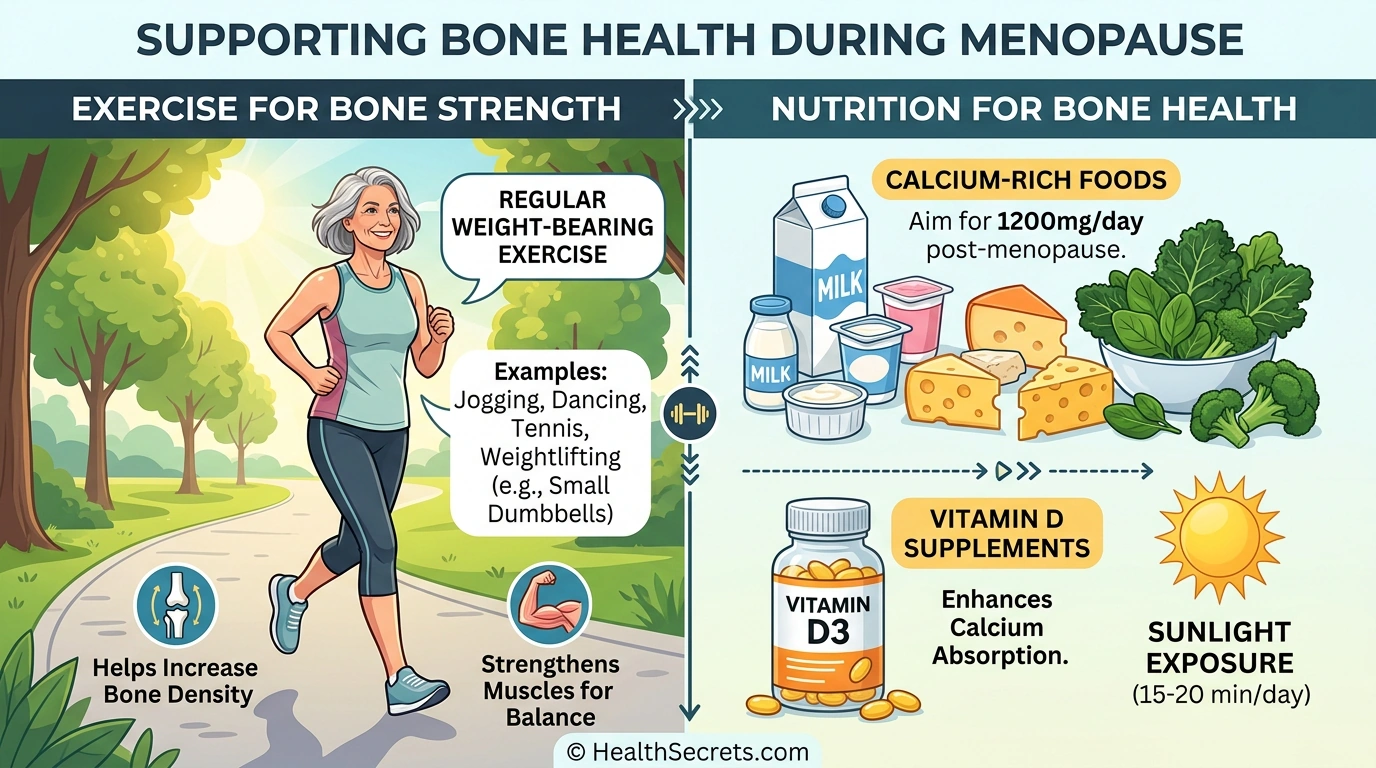
Bone Health Protection
- Weight-bearing exercise: Walking, jogging, dancing, strength training (most important single factor)
- Calcium: 1,200 mg daily (calcium citrate is better absorbed)
- Vitamin D3: 800–1,000 IU daily
- Vitamin K2: Directs calcium to bones (not arteries)—100–200 mcg daily
- Magnesium: 300–400 mg daily (supports bone formation)
- Bone density testing (DEXA scan): Recommended at menopause or age 65, earlier if risk factors
- Avoid: Smoking (accelerates bone loss), excessive alcohol (>1 drink daily)
Cardiovascular Health
Cardiovascular disease risk increases after menopause because estrogen was protecting your heart. Prevention: Mediterranean diet, regular exercise, maintain healthy weight, monitor blood pressure, cholesterol, and fasting glucose annually.
How Do You Know When to Consider Hormone Replacement Therapy?
Natural remedies work well for many women—but they're not always enough. If your symptoms are moderate to severe and significantly impacting your quality of life despite 8–12 weeks of consistent natural approaches, it may be time to discuss HRT with your doctor.
HRT remains the most effective treatment for moderate-to-severe vasomotor symptoms. It dramatically reduces hot flashes and night sweats, prevents bone loss, and improves quality of life. The timing hypothesis suggests that starting HRT within 10 years of menopause or before age 60 may provide cardiovascular benefits.
When to See Your Doctor Immediately
- Postmenopausal bleeding (any bleeding after 12 months without a period—must rule out cancer)
- Heavy bleeding during perimenopause (soaking through a pad/tampon every 1–2 hours)
- Symptoms before age 40 (premature menopause needs evaluation)
- Depression, severe anxiety, or suicidal thoughts
- Symptoms not improving after 8–12 weeks of natural approaches
The Balanced Approach
Natural remedies and HRT aren't mutually exclusive. Many women use a combination: supplements for mood and energy support, HRT for severe vasomotor symptoms, and lifestyle modifications as the foundation for everything. Work with your healthcare provider to find your individual optimal approach.
What Are the Most Common Mistakes When Using Natural Menopause Remedies?
After reviewing the research and hearing from thousands of women, these are the pitfalls that trip people up most often. Avoiding them can mean the difference between "natural remedies don't work" and genuine relief.
- Giving up too soon. Most remedies need 4–8 weeks. If you quit at week 2, you haven't given them a fair trial.
- Trying everything at once. Start one remedy, stabilize for 4–6 weeks, then add the next. Otherwise you'll never know what's actually helping.
- Ignoring triggers. Hot flashes have triggers—caffeine, alcohol, spicy food, stress, hot environments. A symptom diary reveals patterns you'd never notice otherwise.
- Skipping lifestyle basics. No supplement can compensate for poor sleep, no exercise, and chronic stress.
- Choosing low-quality supplements. Not all black cohosh is the same. Look for standardized extracts from reputable brands with third-party testing.
- Assuming "natural" means "safe for everyone." Red clover and soy isoflavones are phytoestrogens—women with hormone-sensitive cancers need oncologist guidance.
- Neglecting bone and heart health. Hot flashes get all the attention, but bone loss and cardiovascular risk are the long-term concerns. Address them from day one.
- Not tracking symptoms. Without a baseline and weekly tracking, you can't objectively assess whether something is working.
Is It Safe to Use Multiple Natural Menopause Remedies Together?
Generally, yes—combining black cohosh, maca, sage, and lifestyle modifications is safe for most women. These remedies work through different mechanisms and don't typically interact with each other. However, there are important safety considerations to keep in mind.
Herb-Drug Interactions
- St. John's wort: Interacts with many medications (birth control, antidepressants, blood thinners, immunosuppressants)—use with extreme caution
- Red clover: May interact with blood thinners (contains coumarins)
- Dong quai: May interact with blood thinners
- Black cohosh: Generally safe, but inform your doctor if you're taking hepatotoxic medications
Hormone-Sensitive Conditions
- Avoid phytoestrogens (red clover, soy, flaxseed supplements) if you have a history of breast, ovarian, or uterine cancer—unless your oncologist approves
- Safer options: Black cohosh (serotonergic, not estrogenic) and maca (no hormones) are generally appropriate
Quality Matters
- Choose reputable brands with third-party testing (USP, NSF, ConsumerLab)
- Look for standardized extracts (consistent potency batch to batch)
- Start low, go slow: Begin with the lower end of recommended doses and increase gradually
When to Stop
- Any unusual liver symptoms (yellowing skin, dark urine, severe fatigue)—stop all supplements and see your doctor
- Allergic reactions (rare but possible with any herb)
- If symptoms worsen significantly despite 8–12 weeks of treatment
What Should You Do First to Start Managing Menopause Symptoms Naturally?
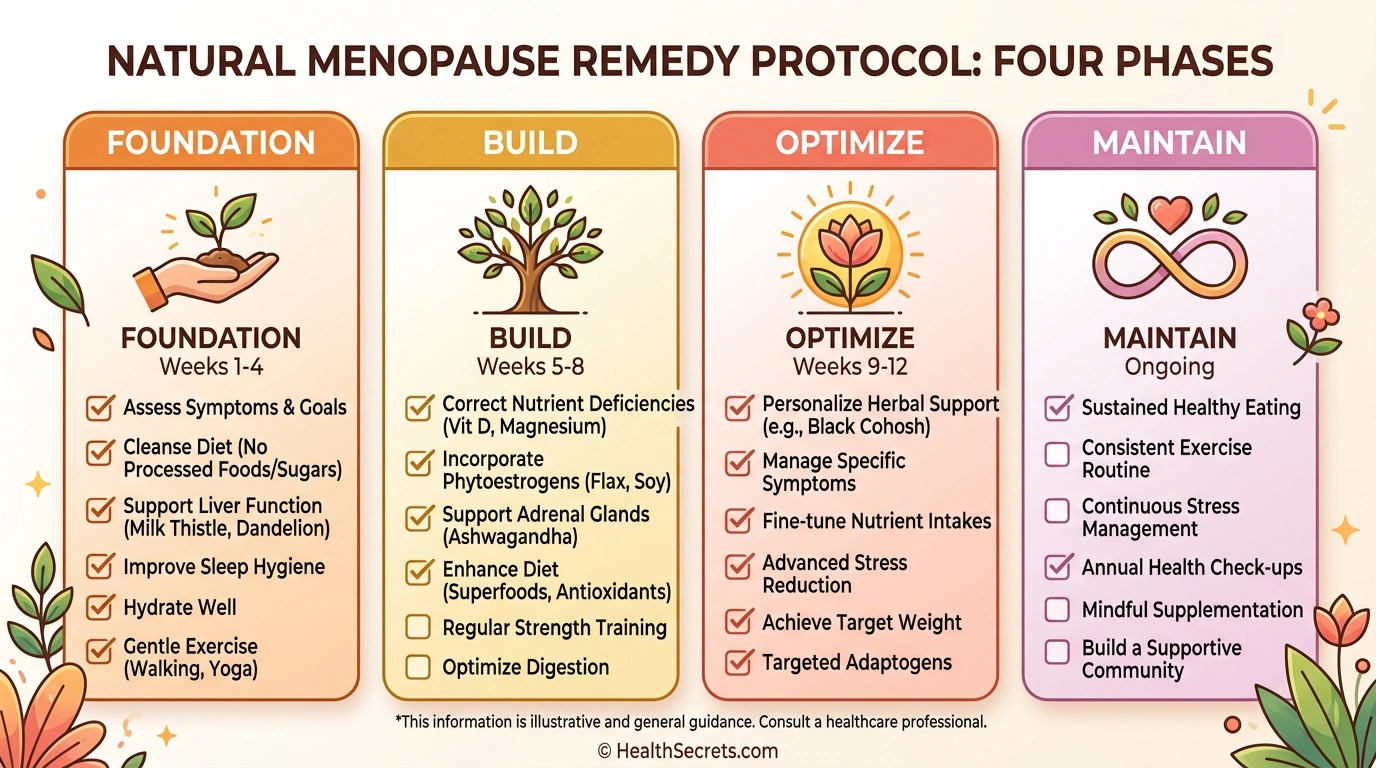
Start with the foundation and build systematically. Trying to do everything at once is overwhelming and makes it impossible to know what's working. This phased approach gives each remedy time to take effect while building toward comprehensive relief.
Phase 1: Foundation (Weeks 1–4)
- Get a proper diagnosis and baseline blood work (FSH, estradiol, thyroid panel, vitamin D, bone density if indicated)
- Start a daily symptom diary (hot flash frequency/severity, mood, sleep quality, energy)
- Begin lifestyle modifications: exercise routine, sleep hygiene, identify dietary triggers
- Start black cohosh 20 mg standardized extract twice daily (40 mg total) with meals
- Add calcium 1,200 mg + vitamin D 800–1,000 IU daily
- Add magnesium 300–400 mg before bed
Phase 2: Build (Weeks 5–8)
- Assess black cohosh effects in symptom diary
- Add maca 1,500 mg gelatinized daily (morning)
- If hot flashes remain primary concern, add sage 300–400 mg extract daily or 1–2 cups sage tea
- Begin phytoestrogen-rich diet (soy foods, flaxseeds, sesame seeds) if no contraindications
- Optimize exercise: 150 min aerobic + 2 days strength training weekly
Phase 3: Optimize (Weeks 9–12)
- If hot flashes still bothersome and no phytoestrogen contraindications, add red clover 40–80 mg isoflavones daily
- Add omega-3 1,000–2,000 mg EPA/DHA daily for mood and cardiovascular support
- Address vaginal dryness if present (moisturizers, lubricants, vitamin E)
- Implement stress management practice (meditation, yoga, deep breathing)
- Review progress with healthcare provider
Phase 4: Maintain and Adjust (Ongoing)
- Continue what works, discontinue what doesn't
- Annual bone density screening (DEXA) if indicated
- Annual cardiovascular monitoring (blood pressure, cholesterol, glucose)
- Reassess supplement needs every 6–12 months
- If symptoms remain severe, discuss HRT with your doctor