
CATEGORY
Inflammation
Understanding chronic inflammation: the root driver of cardiovascular disease, diabetes, Alzheimer's, and cancer. Anti-inflammatory diet, lifestyle, and supplementation strategies.
15 articles

What Causes Inflammation in the Body?
Chronic inflammation is caused by diet (refined sugar, seed oils, processed foods), chronic stress, poor sleep, gut dysbiosis, sedentary lifestyle, environmental toxins, excess visceral fat, smoking, and excessive alcohol. Unlike acute inflammation that heals injuries, chronic inflammation silently drives heart disease, diabetes, cancer, and autoimmune conditions.

Autoimmune Disease and Inflammation: Natural Support
Autoimmune disease occurs when the immune system mistakenly attacks the body's own tissues, driving chronic inflammation that affects over 50 million Americans across 80+ conditions. This evidence-based guide explores the gut-immune connection, dietary strategies like the AIP protocol, targeted supplements, and lifestyle modifications that can complement medical treatment and help manage autoimmune inflammation naturally.

Exercise and Inflammation: Finding the Balance
Exercise is one of the most powerful tools for managing chronic inflammation — but push too hard, and it backfires. This guide breaks down the exercise-inflammation paradox, explains why moderate movement lowers inflammatory markers like CRP by up to 30%, and gives you a practical plan to find your personal sweet spot between too little and too much.

CBD for Inflammation and Pain: Cannabidiol Guide
Cannabidiol (CBD) is a non-psychoactive compound from hemp with promising anti-inflammatory and pain-relieving properties. This evidence-based supplement guide covers CBD mechanisms, clinical research, dosing, full-spectrum vs. isolate, quality testing, legal status, drug interactions, and safety.

Anti-Inflammatory Diet: Complete Food Guide
An anti-inflammatory diet built around whole foods, omega-3-rich fish, colorful fruits and vegetables, and healthy fats can significantly reduce chronic inflammation markers like CRP and IL-6. This step-by-step guide shows you exactly how to transition to an evidence-based anti-inflammatory eating pattern for lasting results.

Natural Pain Relief: 15 Alternatives to NSAIDs
Natural pain relief alternatives like turmeric, ginger, boswellia, and omega-3 fatty acids can be as effective as NSAIDs for chronic pain—without the serious gastrointestinal, kidney, and cardiovascular risks. This evidence-based guide covers 15 proven natural painkillers, how to use them, and when NSAIDs are still your best option.

Joint Pain Relief: Natural Strategies for Healthy Joints
Joint pain affects over 32.5 million Americans with osteoarthritis alone, but natural strategies including targeted supplements, exercise, weight management, and lifestyle changes can reduce pain by 20–50% without the side effects of conventional medications.

Inflammation Markers: Testing and Interpretation
Inflammation markers like CRP, ESR, and ferritin are blood tests that help detect hidden inflammation driving chronic disease. This guide explains what each marker measures, how to interpret your results, and evidence-based strategies to bring elevated levels back down.

Chronic Inflammation: Causes, Effects and Solutions
Chronic inflammation is a silent driver behind most modern diseases — from heart disease and diabetes to cancer and Alzheimer's. This evidence-based guide explains what chronic inflammation is, what causes it, how to test for it, and the proven diet, lifestyle, and supplement strategies that can help you reduce it naturally.

Capsaicin for Pain: Hot Pepper Compound Guide
Capsaicin — the compound that makes chili peppers burn — is one of nature's most effective topical pain relievers. By depleting substance P from nerve endings, capsaicin offers clinically proven relief for osteoarthritis, neuropathic pain, and chronic musculoskeletal conditions without the systemic side effects of oral painkillers.

Devil's Claw for Pain: African Herb Guide
Devil's claw (*Harpagophytum procumbens*) is a traditional African herb used for centuries by the San people of the Kalahari Desert to treat pain, fever, and digestive issues. Modern research confirms its anti-inflammatory and analgesic properties, with clinical evidence supporting its use for lower back pain, osteoarthritis, and rheumatoid arthritis at doses of 600–2,400 mg daily standardized to 1–3% harpagosides.

Foods That Cause Inflammation: What to Avoid
The Western diet — loaded with ultra-processed foods, refined sugars, trans fats, and excess omega-6 fatty acids — is a primary driver of chronic inflammation, increasing inflammatory markers like CRP and IL-6 by 40–60%. Eliminating the worst offenders and replacing them with anti-inflammatory whole foods can reduce inflammation by 20–50% within 4–8 weeks.

Reduce Inflammation Naturally: Complete Anti-Inflammatory Guide
Chronic inflammation is a silent driver of heart disease, diabetes, cancer, and autoimmune conditions — but evidence-based dietary changes, targeted supplements like omega-3s and curcumin, and lifestyle modifications can measurably reduce inflammatory markers within weeks.

Fibromyalgia Natural Support: Pain and Fatigue Management
Fibromyalgia affects 2–8% of the population — mostly women — causing widespread chronic pain, crushing fatigue, and brain fog that conventional medicine often struggles to fully control. Natural support strategies including anti-inflammatory nutrition, targeted supplements (magnesium, CoQ10, D-ribose), gentle movement, and sleep optimization can reduce symptoms by 20–40% when used alongside medical treatment.
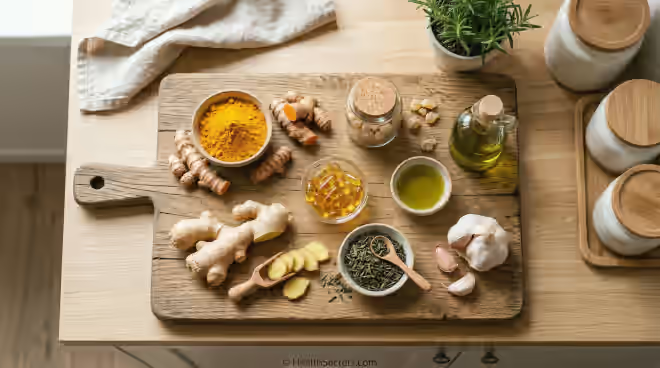
Natural Anti-Inflammatory Remedies: Reduce Inflammation
Chronic inflammation drives many modern diseases, but natural anti-inflammatory remedies offer powerful, evidence-based relief. This step-by-step guide walks you through proven herbs, dietary strategies, and lifestyle approaches to reduce inflammation naturally and reclaim your health.
Chronic Inflammation: The Hidden Driver of Modern Disease
Inflammation is, at its core, a protective response — the body's way of defending against injury and infection. Acute inflammation, with its familiar redness, heat, and swelling, is essential for healing. The problem arises when inflammation becomes chronic and low-grade, smoldering silently for months or years. This persistent inflammatory state is now recognized as a common thread linking the major diseases of our time: cardiovascular disease, type 2 diabetes, Alzheimer's, certain cancers, and autoimmune conditions.
At the molecular level, much of chronic inflammation is orchestrated by a signaling pathway called NF-κB, which acts as a master switch for inflammatory gene expression. When chronically activated by poor diet, stress, toxins, or excess body fat, it triggers ongoing production of inflammatory cytokines such as IL-6, TNF-alpha, and CRP that gradually damage blood vessels, neurons, and tissues. Elevated C-reactive protein, measurable with a simple blood test, is one of the clearest markers of this hidden inflammatory load.
The encouraging news is that inflammation is highly responsive to lifestyle. Unlike fixed genetic risks, inflammatory load is shaped largely by daily choices. An anti-inflammatory diet — rich in vegetables, fruits, fatty fish, olive oil, nuts, and whole grains, and low in refined sugar, processed meats, and industrial seed oils — has been shown to lower inflammatory markers within weeks. Specific compounds such as the omega-3s EPA and DHA, curcumin, and sulforaphane act on inflammatory pathways directly.
Beyond diet, regular physical activity, quality sleep, stress reduction, and maintaining a healthy body composition all measurably reduce inflammation, with combined interventions capable of lowering CRP by 25–40%. Because chronic inflammation is both measurable and modifiable, addressing it may be one of the highest-leverage steps you can take for long-term health. The articles below detail the diet, lifestyle, and supplementation strategies the research supports.
This overview is for educational purposes and is not a substitute for personalized medical advice. Always consult a qualified healthcare professional before making changes to your diet, supplement, or treatment routine.