
Inflammation has become the health buzzword of the decade — but what actually causes it? The answer matters because chronic low-grade inflammation is now recognized as the root driver of virtually every major chronic disease: heart disease, type 2 diabetes, cancer, Alzheimer's, autoimmune conditions, depression, and accelerated aging.
First, an important distinction: acute inflammation is your body's healing response to injury or infection — it's necessary and beneficial. Chronic inflammation is the pathological state where your immune system stays activated when there's no threat, slowly damaging healthy tissue over years. This guide focuses on the causes of chronic inflammation and what you can do about each one.
Related reading: Best Natural Anti-Inflammatory · Best Diet for Inflammation
What Is Chronic Inflammation and How Is It Different from Acute Inflammation?
Acute inflammation is your immune system's rapid, targeted response to injury or infection — redness, swelling, heat, and pain at a wound site. It lasts hours to days, resolves when the threat is eliminated, and is essential for healing. Chronic inflammation is a persistent, low-grade immune activation that lasts months to years without a clear threat, silently damaging blood vessels, organs, and tissues throughout the body.
The key difference: acute inflammation has an "off switch" (resolution). Chronic inflammation doesn't — the immune system stays activated because the triggering factors (diet, stress, gut dysbiosis, toxins) persist continuously. This unresolved inflammation drives the development and progression of virtually every chronic disease.
How Do You Know If You Have Chronic Inflammation?
Chronic inflammation is often called "silent inflammation" because it doesn't produce the obvious symptoms of acute inflammation. Instead, it manifests as persistent fatigue, unexplained joint or muscle aches, digestive issues, brain fog, weight gain (especially visceral fat), frequent illness, skin problems (acne, eczema), and mood disorders. The gold standard test is high-sensitivity C-reactive protein (hs-CRP) — optimal is below 1.0 mg/L.

How Does Chronic Inflammation Develop in Your Body?
Chronic inflammation develops when your immune system is continuously stimulated by one or more persistent triggers. These triggers activate inflammatory pathways (primarily NF-κB) that produce pro-inflammatory cytokines (IL-6, TNF-α, IL-1β), prostaglandins, and reactive oxygen species. When these triggers aren't removed, the inflammation never resolves, and the ongoing immune activation gradually damages healthy tissue.

The Inflammatory Cascade
- Trigger — Diet, stress, toxins, gut dysbiosis, or visceral fat
- NF-κB activation — The master inflammatory switch turns on in immune cells
- Cytokine production — IL-6, TNF-α, and other inflammatory molecules are released
- Prostaglandin production — COX enzymes produce inflammatory prostaglandins
- Tissue damage — Inflammatory molecules damage blood vessels, organs, and cells
- Failed resolution — Because triggers persist, the cascade never turns off
- Disease progression — Sustained inflammation drives chronic disease development

What Are the Top 10 Causes of Chronic Inflammation?
The causes of chronic inflammation can be divided into dietary triggers, lifestyle factors, internal dysfunction, and environmental exposures. Most people have multiple contributing factors, which is why a multi-pronged approach to inflammation reduction is more effective than targeting any single cause.
1. Diet: Sugar, Seed Oils, and Processed Foods
The standard Western diet is the single biggest driver of chronic inflammation. Refined sugar activates NF-κB and produces advanced glycation end products (AGEs). Excess omega-6 from seed oils (canola, soybean, corn) produces pro-inflammatory prostaglandins. Processed foods combine sugar, seed oils, additives, and emulsifiers that collectively drive inflammation through multiple pathways. Trans fats (partially hydrogenated oils) are the most inflammatory dietary fat.
2. Chronic Psychological Stress
Short-term stress is anti-inflammatory (cortisol suppresses immune responses). But chronic stress causes glucocorticoid receptor resistance — your immune cells become "deaf" to cortisol's calming signals, allowing inflammatory pathways to run unchecked. Research shows that up to 80% of autoimmune patients report significant stress before disease onset.
3. Poor Sleep
Sleep deprivation directly increases inflammatory cytokines IL-6 and TNF-alpha. Even one night of 4–5 hours of sleep raises inflammatory markers measurably. Chronic sleep restriction (consistently under 7 hours) creates persistent low-grade inflammation that increases cardiovascular, metabolic, and neurodegenerative disease risk.
4. Gut Dysbiosis and Leaky Gut
When the gut microbiome is imbalanced (dysbiosis) and the intestinal barrier is compromised (increased permeability), bacterial lipopolysaccharides (LPS/endotoxins) leak into the bloodstream. This triggers a systemic immune response called metabolic endotoxemia — a major driver of chronic inflammation linked to obesity, diabetes, liver disease, and cardiovascular disease.
5. Excess Visceral Fat
Visceral fat (fat stored around organs) is not just stored energy — it's a metabolically active endocrine organ that continuously produces inflammatory cytokines (TNF-α, IL-6, MCP-1). This is why abdominal obesity is one of the strongest predictors of cardiovascular disease and type 2 diabetes. Losing even 5–10% of body weight significantly reduces inflammatory markers.
6. Sedentary Lifestyle
Physical inactivity promotes inflammation by reducing anti-inflammatory myokines (released during exercise), allowing visceral fat accumulation, impairing glucose regulation, and reducing blood flow. Regular exercise (150+ minutes weekly) independently reduces CRP by 20–30% through multiple mechanisms.
7. Environmental Toxins
Heavy metals (mercury, lead, cadmium), pesticides, BPA and phthalates, air pollution, and industrial chemicals trigger inflammatory immune responses and generate oxidative stress. The body treats these toxins as threats, activating immune pathways that become chronic with ongoing exposure.
8. Excessive Alcohol
Alcohol damages the gut lining (increasing permeability and endotoxin translocation), generates acetaldehyde (a toxic inflammatory metabolite), depletes glutathione (your master antioxidant), and disrupts the gut microbiome. Even moderate drinking contributes to systemic inflammation in sensitive individuals.
9. Smoking
Cigarette smoke contains over 7,000 chemicals that directly trigger inflammatory responses in the lungs and throughout the body. Smoking increases CRP, IL-6, TNF-α, and white blood cell count. It also generates massive oxidative stress that damages every organ system.
10. Chronic Infections
Ongoing or latent infections (H. pylori, Epstein-Barr virus, periodontal disease, chronic sinusitis) keep the immune system chronically activated. Dental infections and gum disease are particularly underrecognized sources of systemic inflammation — poor oral health is linked to cardiovascular disease through this mechanism.

Nordic Naturals Ultimate Omega
Editor's ChoiceNordic Naturals · Reducing the inflammatory prostaglandins and cytokines that drive chronic disease
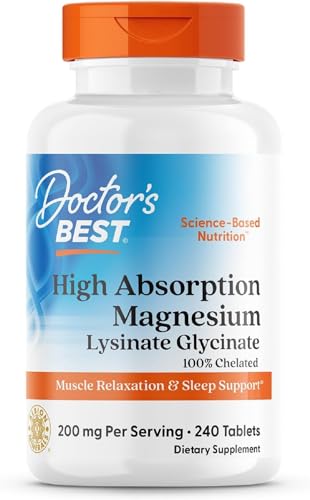
Doctor's Best Magnesium Glycinate 200mg
Best for CRP ReductionDoctor's Best · Correcting magnesium deficiency that directly elevates inflammatory markers
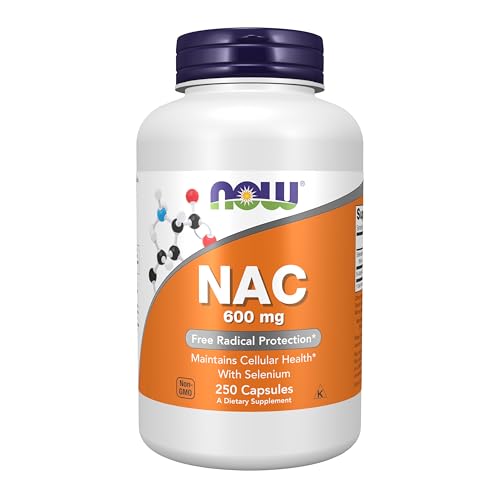
NOW Foods NAC 600mg
Best for NF-κB ModulationNOW Foods · Targeting the master inflammatory switch while boosting antioxidant defense

Renew Life Ultimate Flora Extra Care 50 Billion
Best for Gut-Driven InflammationRenew Life · Addressing gut dysbiosis and intestinal permeability that drive systemic inflammation
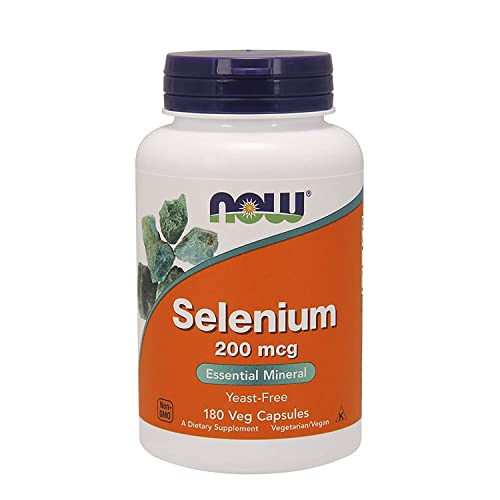
NOW Foods Selenium 200mcg
Best for Oxidative-Inflammatory DefenseNOW Foods · Powering the antioxidant enzymes that neutralize inflammation-triggering free radicals
Read the detailed review cards below before opening any retailer link
Top Recommended Products
Nordic Naturals
Nordic Naturals Ultimate Omega
Omega-3 has the deepest evidence base of any natural anti-inflammatory, directly addressing the omega-6:omega-3 imbalance that's the #1 dietary driver of chronic inflammation.
Ưu điểm
- + 50+ meta-analyses confirm anti-inflammatory effects
- + reduces CRP
- + IL-6
- + TNF-alpha
- + third-party tested
Nhược điểm
- - Requires 2 softgels
Tại sao chúng tôi đưa vào: Omega-3 has the deepest evidence base of any natural anti-inflammatory, directly addressing the omega-6:omega-3 imbalance that's the #1 dietary driver of chronic inflammation.
Liên kết nhà bán lẻ sẽ mở trên Amazon sau phần chi tiết đánh giá ở trên
Doctor's Best
Doctor's Best Magnesium Glycinate 200mg
50% of people are magnesium deficient, and correcting this deficiency is one of the simplest ways to reduce CRP and systemic inflammation.
Ưu điểm
- + Deficiency directly elevates CRP
- + supplementation reduces inflammation
- + also improves sleep and stress resilience
Nhược điểm
- - Requires 2 tablets per serving
Tại sao chúng tôi đưa vào: 50% of people are magnesium deficient, and correcting this deficiency is one of the simplest ways to reduce CRP and systemic inflammation.
Liên kết nhà bán lẻ sẽ mở trên Amazon sau phần chi tiết đánh giá ở trên
NOW Foods
NOW Foods NAC 600mg
NAC addresses inflammation at the cellular signaling level through NF-κB modulation while providing the glutathione needed to combat oxidative stress.
Ưu điểm
- + Modulates NF-κB
- + boosts glutathione
- + excellent value
Nhược điểm
- - Large capsule size
Tại sao chúng tôi đưa vào: NAC addresses inflammation at the cellular signaling level through NF-κB modulation while providing the glutathione needed to combat oxidative stress.
Liên kết nhà bán lẻ sẽ mở trên Amazon sau phần chi tiết đánh giá ở trên
Renew Life
Renew Life Ultimate Flora Extra Care 50 Billion
Gut dysbiosis and leaky gut are major but often overlooked drivers of systemic inflammation. Restoring microbiome health reduces endotoxin-driven immune activation.
Ưu điểm
- + Addresses metabolic endotoxemia
- + restores barrier function
- + reduces gut-driven systemic inflammation
Nhược điểm
- - Requires refrigeration
Tại sao chúng tôi đưa vào: Gut dysbiosis and leaky gut are major but often overlooked drivers of systemic inflammation. Restoring microbiome health reduces endotoxin-driven immune activation.
Liên kết nhà bán lẻ sẽ mở trên Amazon sau phần chi tiết đánh giá ở trên
NOW Foods
NOW Foods Selenium 200mcg
Selenium powers the antioxidant enzymes that break the cycle between oxidative stress and inflammatory signaling.
Ưu điểm
- + Cofactor for glutathione peroxidase
- + neutralizes ROS that trigger inflammation
- + affordable
Nhược điểm
- - Should not exceed 400 mcg daily
Tại sao chúng tôi đưa vào: Selenium powers the antioxidant enzymes that break the cycle between oxidative stress and inflammatory signaling.
Liên kết nhà bán lẻ sẽ mở trên Amazon sau phần chi tiết đánh giá ở trên
What Diseases Does Chronic Inflammation Cause?
Chronic inflammation is now recognized as a root driver of virtually every major chronic disease. It contributes to atherosclerosis and heart disease (inflamed blood vessel walls accumulate plaque), type 2 diabetes (inflammation drives insulin resistance), cancer (chronic inflammation promotes DNA damage and tumor growth), Alzheimer's disease (neuroinflammation destroys neurons), autoimmune conditions (dysregulated immune activation attacks self-tissue), depression (neuroinflammation disrupts neurotransmitter function), and accelerated aging.

How Do You Identify and Address YOUR Inflammation Triggers?
The most effective approach is to identify which triggers apply to your life and address them systematically. Start with a CRP blood test as a baseline, then work through the major categories: diet, sleep, stress, gut health, exercise, and toxin exposure.
Step 1: Test Your Inflammation Level
Request high-sensitivity CRP (hs-CRP) from your doctor:
- Optimal: Below 0.5 mg/L
- Low risk: 0.5–1.0 mg/L
- Moderate risk: 1.0–3.0 mg/L
- High risk: Above 3.0 mg/L (rule out acute infection first)
Step 2: Identify Your Top Triggers
Ask yourself:
- Do I eat processed foods, sugar, and seed oils regularly? → Diet
- Do I sleep less than 7 hours most nights? → Sleep
- Am I chronically stressed? → Stress
- Do I have digestive issues (bloating, gas, irregular bowels)? → Gut health
- Am I sedentary (less than 150 min exercise/week)? → Exercise
- Do I carry excess abdominal fat? → Visceral fat
- Do I drink alcohol regularly? → Alcohol
Step 3: Prioritize the Biggest Impact Changes
- Switch cooking oils to EVOO (addresses omega-6 excess)
- Reduce sugar and processed food by 50%
- Sleep 7–9 hours nightly
- Walk 30 minutes daily
- Add omega-3 fish oil (2–4g EPA/DHA)
What Diet and Lifestyle Changes Reduce Inflammation Most?
The Mediterranean diet has the strongest evidence for reducing chronic inflammation, with trials showing 20–40% CRP reduction within 3–6 months. Combining anti-inflammatory nutrition with regular exercise, quality sleep, and stress management creates the most comprehensive and effective anti-inflammatory lifestyle.

The Top 5 Anti-Inflammatory Lifestyle Changes
- Mediterranean diet — EVOO, fatty fish, vegetables, fruits, legumes, nuts
- Regular exercise — 150+ minutes moderate activity weekly (reduces CRP 20–30%)
- Sleep optimization — 7–9 hours nightly (prevents cytokine elevation)
- Stress management — Daily practice (meditation, breathwork, nature)
- Omega-3 supplementation — 2–4g EPA/DHA daily (50+ meta-analyses confirm anti-inflammatory effects)
Action Plan
What Should You Do First to Reduce Inflammation?
Follow the sequence below, work through each phase in order, and use the checklist as your practical implementation guide.
Request a hs-CRP blood test as your baseline, then make two dietary changes today: replace your cooking oil with extra virgin olive oil and eliminate sugary beverages. These two changes address the most impactful dietary inflammation triggers with minimal effort.
This Week:
- Request hs-CRP blood test as baseline
- Replace cooking oils with extra virgin olive oil
- Eliminate sugary beverages
- Walk 30 minutes daily
- Improve sleep to 7–9 hours nightly
This Month:
- Start omega-3 fish oil (2–4g EPA/DHA daily)
- Reduce processed food, sugar, and refined carbs by 50%
- Begin daily stress management practice
- Add anti-inflammatory foods: fatty fish, berries, leafy greens, turmeric
- Reduce or eliminate alcohol
Month 3:
- Retest hs-CRP to measure improvement
- Fully transition to Mediterranean-style eating
- Address any remaining triggers (gut health, toxin exposure, weight)

