
Whether you're a weekend warrior, competitive athlete, or fitness enthusiast committed to natural training, what you eat before, during, and after exercise directly determines your performance, recovery, and long-term health. The sports nutrition industry is worth over $45 billion globally, yet most athletes make fundamental nutritional mistakes that sabotage their results.
This guide cuts through the marketing noise with evidence from the ACSM, ISSN, and peer-reviewed research to give you a practical, natural-athlete-focused nutrition framework you can implement immediately.
Related reading: Complete Detox and Cleansing Guide · Gut Detox Protocol
What Is Sports Nutrition and Why Does It Matter for Natural Athletes?
Sports nutrition is the science of fueling athletic performance through strategic macronutrient intake, micronutrient optimization, hydration, and supplementation timing. For natural athletes, nutrition becomes even more critical because it's one of the few legal variables that can be optimized to maximize genetic potential. The ISSN confirms proper nutrition can improve performance by 3–15%.
Who Needs Sports Nutrition Knowledge?
Sports nutrition principles apply to anyone who exercises regularly. Recreational exercisers, CrossFit enthusiasts, runners, cyclists, swimmers, and strength training enthusiasts all benefit from understanding how to fuel performance and recovery. The fundamentals apply across all activity levels.
What Makes Natural Athletes' Nutritional Needs Different?
Natural athletes cannot rely on pharmacological recovery enhancement, making nutrition and sleep the primary recovery tools. Without exogenous hormones, protein synthesis, glycogen replenishment, and inflammation management are entirely dependent on dietary inputs.

How Does Your Body Use Nutrients During Exercise?
During exercise, your body draws from three primary fuel sources: muscle glycogen (stored carbohydrate), blood glucose, and fatty acids. The intensity and duration determine the fuel mix — high-intensity efforts rely on glycogen, while lower-intensity activities use more fat. Protein contributes minimally to energy (5–10%) but is critical for post-exercise repair.
How Does Exercise Intensity Affect Fuel Use?
At low intensities (walking, easy cycling), fat is the primary fuel. At moderate intensity (tempo running), the mix shifts to roughly 50/50 fat and carb. At high intensities (sprinting, heavy lifting, HIIT), glycogen dominates. This is why carbohydrate availability is critical for high-intensity performance.
What Happens to Your Muscles After Training?
After training, muscle protein synthesis increases for 24–48 hours, and glycogen synthase activity increases to replenish stores. The post-exercise nutrient sensitivity window is real but wider than the old "30-minute" claim — eating protein within 2–4 hours of training is sufficient, with total daily intake mattering most.
How Does the Body Build Muscle?
Muscle growth requires three inputs: mechanical tension from training (the stimulus), adequate protein especially leucine-rich sources (the material), and sufficient calories (the energy). Without any one of these, muscle growth is compromised.
What Causes Poor Athletic Performance Despite Training Hard?
The most common nutritional causes of poor performance are under-fueling, inadequate carbs for high-intensity athletes, insufficient protein for recovery, dehydration, and micronutrient deficiencies (iron, vitamin D, magnesium). Many athletes train hard but eat poorly, leaving significant performance on the table.
What Is Relative Energy Deficiency in Sport (RED-S)?
RED-S occurs when energy intake is consistently below expenditure, affecting hormonal health, bone density, immune function, cardiovascular health, and mental well-being. It affects both men and women. Signs include frequent illness, poor recovery, menstrual irregularities, stress fractures, and declining performance.
Why Do Athletes Develop Nutrient Deficiencies?
- Iron — Lost through foot-strike hemolysis, sweat, and GI losses; most common deficiency in athletes
- Vitamin D — Indoor training and sunscreen use contribute to widespread deficiency
- Magnesium — Lost through sweat and depleted by intense training
- Calcium — Critical for bone health, especially with low energy availability
- Zinc — Supports immune function and testosterone; lost through sweat
What Are the Signs That Your Sports Nutrition Needs Improvement?
The clearest signs include persistent fatigue despite adequate sleep, slow recovery, frequent illness, declining performance, excessive soreness, difficulty maintaining muscle, and constant hunger or cravings. These signals indicate specific nutritional gaps that can be addressed systematically.
What Does Under-Fueling Look Like?
- Exhaustion during workouts that should be manageable
- Inability to complete training at normal intensity
- Loss of motivation to train
- Frequent upper respiratory infections
- Poor sleep quality despite being tired
- In women: irregular or absent menstrual cycles
- Persistent soreness beyond 72 hours
How Do You Know If You're Eating Enough Protein?
If you're consistently sore for more than 48 hours, struggling to gain muscle despite progressive overload, or recovering slowly between sessions, you may need more protein. Check: are you consuming at least 1.6g per kg of body weight daily across 4+ meals?
What Are the Best Evidence-Based Sports Nutrition Strategies?
The most impactful strategies are ensuring adequate total calories, optimizing protein (1.6–2.2g/kg/day across 4–6 meals), periodizing carbs to match training, strategic pre- and post-workout nutrition, proper hydration with electrolytes, and targeted supplementation with creatine and caffeine.


How Much Protein Do Athletes Really Need?
The ISSN recommends 1.4–2.0g/kg/day for most active individuals. A 2018 meta-analysis found optimal intake for muscle growth is approximately 1.6g/kg/day, with diminishing returns above 2.2g/kg/day. Distribute across 4–6 meals containing 20–40g each with 2–3g leucine per meal.
How Does Carbohydrate Periodization Work?
- High-intensity/long training days: 5–8g/kg/day carbohydrates
- Moderate training days: 3–5g/kg/day
- Rest days: 2–3g/kg/day
- Pre-competition carb loading: 8–12g/kg/day for 24–48 hours before endurance events
What Should You Eat Before, During, and After Training?
- Pre-workout (1–4 hours before): Easily digestible carbs + moderate protein. Examples: oatmeal with berries and protein, banana with peanut butter.
- During (sessions over 60–90 minutes): 30–60g carbs per hour from sports drinks or easily digestible foods.
- Post-workout (within 2 hours): 20–40g protein + carbohydrates. Examples: protein shake with fruit, chicken with rice, Greek yogurt with granola.
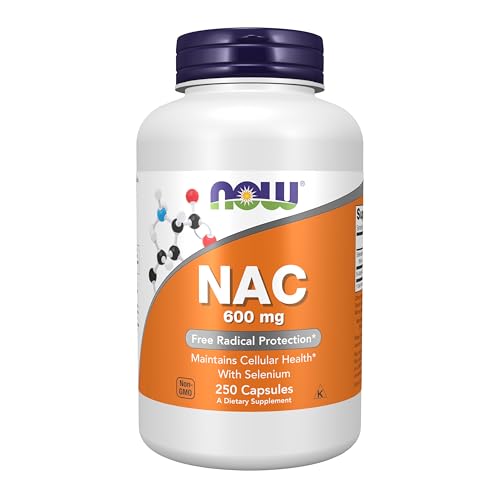
NOW Foods NAC 600mg
Best for RecoveryNOW Foods · Reducing exercise-induced oxidative stress and supporting post-training recovery
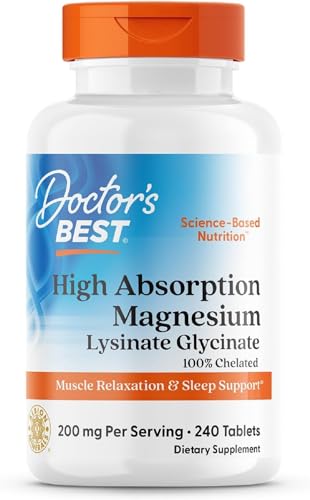
Doctor's Best Magnesium Glycinate 200mg
Editor's ChoiceDoctor's Best · Preventing cramps, supporting energy production, and improving sleep for recovery

Nordic Naturals Ultimate Omega
Best for RecoveryNordic Naturals · Reducing exercise-induced inflammation and muscle soreness
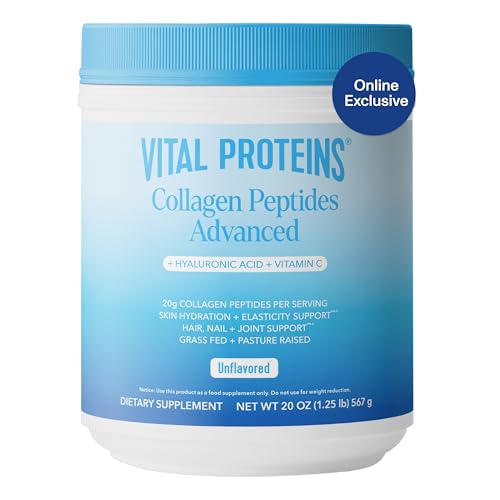
Vital Proteins Collagen Peptides 20oz
Best for Joint HealthVital Proteins · Supporting tendon, ligament, and joint health for injury prevention

Thorne Zinc Picolinate 30mg
Best for Immune SupportThorne Zinc · Supporting immune function and hormone production during heavy training
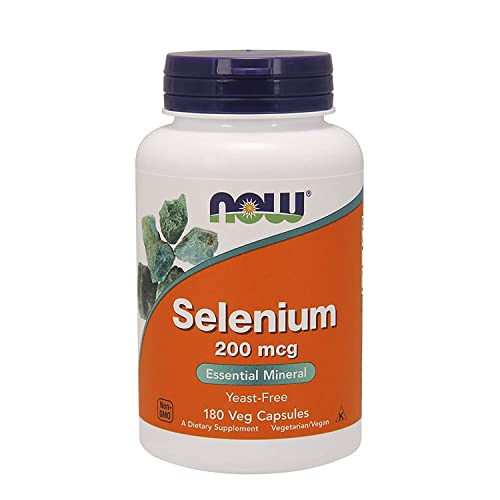
NOW Foods Selenium 200mcg
Best for Antioxidant DefenseNOW Foods · Protecting against exercise-induced oxidative damage

Quicksilver Scientific Liposomal Glutathione
Premium ChoiceQuicksilver Scientific · Elite recovery through direct glutathione delivery

Renew Life Ultimate Flora Extra Care 50 Billion
Best for Gut HealthRenew Life · Maintaining gut and immune function during heavy training
Read the detailed review cards below before opening any retailer link
Top Recommended Products
NOW Foods
NOW Foods NAC 600mg
Intense training generates oxidative stress that impairs recovery. NAC boosts glutathione to accelerate recovery between sessions.
Prós
- + Boosts glutathione for oxidative stress protection
- + supports respiratory function
- + excellent value
Contras
- - Large capsule size
Por que incluímos isto: Intense training generates oxidative stress that impairs recovery. NAC boosts glutathione to accelerate recovery between sessions.
O link do varejista abre na Amazon após os detalhes da análise acima
Doctor's Best
Doctor's Best Magnesium Glycinate 200mg
Athletes lose magnesium through sweat, and deficiency impairs energy production, muscle contraction, and sleep.
Prós
- + Replaces magnesium lost through sweat
- + supports 300+ enzymatic reactions
- + improves sleep
Contras
- - Requires 2 tablets per serving
Por que incluímos isto: Athletes lose magnesium through sweat, and deficiency impairs energy production, muscle contraction, and sleep.
O link do varejista abre na Amazon após os detalhes da análise acima
Nordic Naturals
Nordic Naturals Ultimate Omega
Omega-3s optimize the inflammatory response for faster recovery between sessions.
Prós
- + Reduces DOMS
- + supports joint health
- + third-party tested
Contras
- - Requires 2 softgels per serving
Por que incluímos isto: Omega-3s optimize the inflammatory response for faster recovery between sessions.
O link do varejista abre na Amazon após os detalhes da análise acima
Vital Proteins
Vital Proteins Collagen Peptides 20oz
15–20g collagen taken 30–60 minutes before training with vitamin C enhances collagen synthesis in tendons and ligaments.
Prós
- + Supports connective tissue
- + 20g protein
- + dissolves in any beverage
Contras
- - Bovine-sourced
- - low in leucine
Por que incluímos isto: 15–20g collagen taken 30–60 minutes before training with vitamin C enhances collagen synthesis in tendons and ligaments.
O link do varejista abre na Amazon após os detalhes da análise acima
Thorne Zinc
Thorne Zinc Picolinate 30mg
Heavy training suppresses immunity and zinc is lost through sweat. NSF Certified for Sport makes it safe for drug-tested athletes.
Prós
- + NSF Certified for Sport (drug-tested athletes)
- + supports immune function and testosterone
Contras
- - Must be taken with food
Por que incluímos isto: Heavy training suppresses immunity and zinc is lost through sweat. NSF Certified for Sport makes it safe for drug-tested athletes.
O link do varejista abre na Amazon após os detalhes da análise acima
NOW Foods
NOW Foods Selenium 200mcg
Selenium is a cofactor for glutathione peroxidase, a key antioxidant enzyme protecting muscles during intense exercise.
Prós
- + Cofactor for glutathione peroxidase
- + protects muscles from oxidative damage
- + affordable
Contras
- - Should not exceed 400 mcg daily
Por que incluímos isto: Selenium is a cofactor for glutathione peroxidase, a key antioxidant enzyme protecting muscles during intense exercise.
O link do varejista abre na Amazon após os detalhes da análise acima
Quicksilver Scientific
Quicksilver Scientific Liposomal Glutathione
Intense training depletes glutathione. Liposomal delivery provides the only oral form with meaningful bioavailability.
Prós
- + Liposomal ensures absorption
- + directly provides glutathione for immediate antioxidant protection
Contras
- - Higher cost
- - strong taste
Por que incluímos isto: Intense training depletes glutathione. Liposomal delivery provides the only oral form with meaningful bioavailability.
O link do varejista abre na Amazon após os detalhes da análise acima
Renew Life
Renew Life Ultimate Flora Extra Care 50 Billion
Intense training stresses the gut lining and impairs immunity. A high-potency probiotic supports gut integrity during demanding training.
Prós
- + Supports immune function
- + prevents exercise-induced GI issues
- + delayed-release
Contras
- - Requires refrigeration
Por que incluímos isto: Intense training stresses the gut lining and impairs immunity. A high-potency probiotic supports gut integrity during demanding training.
O link do varejista abre na Amazon após os detalhes da análise acima
What Should Natural Athletes Eat for Optimal Performance?
Build your diet around lean proteins (chicken, fish, eggs, lean beef, dairy), complex carbohydrates (rice, oats, potatoes, fruits), healthy fats (olive oil, avocado, nuts), and abundant vegetables. Whole-food nutrition should provide 80–90% of your intake.
What Are the Best Performance Foods?
- Eggs — Complete protein with leucine, choline, vitamin D
- Salmon — High-quality protein plus omega-3s for recovery
- Oats — Slow-digesting carbs for sustained energy
- Sweet potatoes — Nutrient-dense carbs with beta-carotene and potassium
- Greek yogurt — 20g protein per cup with probiotics and calcium
- Rice — Easily digestible, high-glycemic carb ideal post-workout
- Berries — Anthocyanins reduce oxidative damage and accelerate recovery
- Chicken breast — Lean, high-quality protein with all essential amino acids
- Bananas — Quick energy plus potassium for muscle function
- Olive oil — Anti-inflammatory fats; supports hormone production
What Foods Should Athletes Limit?
- Highly processed foods — Low nutrient density, inflammatory oils
- Excess alcohol — Impairs protein synthesis by up to 37%, disrupts sleep
- Excessive fiber pre-workout — Can cause GI distress during training
- Trans fats and industrial seed oils — Promote inflammation that impairs recovery
What Lifestyle Factors Beyond Nutrition Optimize Athletic Performance?
Sleep, stress management, and recovery protocols determine how effectively your body converts training into performance gains. Nutrition provides the raw materials, but sleep is when the actual building occurs.
Why Is Sleep the Most Important Recovery Tool?
Sleep is when growth hormone releases, muscle protein synthesis peaks, glycogen stores replenish, and motor learning consolidates. Athletes sleeping 8+ hours perform significantly better than those sleeping 6–7 hours. Even one night of poor sleep impairs reaction time, endurance, and strength.
How Does Stress Affect Athletic Performance?
Chronic stress elevates cortisol, which promotes muscle breakdown, impairs glycogen replenishment, suppresses immune function, and disrupts sleep. Effective stress management is a legitimate performance enhancer.
What Active Recovery Strategies Work Best?
- Light movement on rest days — Walking, swimming, yoga
- Cold water immersion (10–15°C, 10–15 min) — May reduce post-training soreness
- Foam rolling and stretching — Reduces perceived soreness
- Contrast therapy — May improve blood flow and recovery perception
Which Supplements Actually Work for Natural Athletes?
The most evidence-backed sports supplements are creatine monohydrate (3–5g daily), caffeine (3–6 mg/kg pre-exercise), beta-alanine (3–6g daily), protein powder (to meet daily targets), and vitamin D (if deficient). These five have robust evidence and meaningful benefits. Most other supplements have weak or no evidence.
Why Is Creatine the Most Important Sports Supplement?
Creatine monohydrate is the single most researched and effective natural sports supplement. It increases phosphocreatine stores, providing rapid energy for high-intensity efforts. Meta-analyses show strength improvements of 5–10%, power output gains of 5–15%, and enhanced lean body mass gains. Standard dosing: 3–5g daily. Safe, affordable, effective.
How Does Caffeine Enhance Performance?
Caffeine improves endurance by 2–5%, strength by 2–7%, and cognitive function during exercise. Optimal: 3–6 mg/kg, consumed 30–60 minutes before exercise. For a 70 kg person, that's 210–420 mg. Tolerance develops, so cycling maximizes benefits.
What Other Supplements Have Good Evidence?
- Beta-alanine (3–6g daily) — Buffers muscle acidity during 1–4 minute high-intensity efforts
- Omega-3 fatty acids (2–4g EPA/DHA daily) — Reduce inflammation and muscle soreness
- Vitamin D (2,000–5,000 IU daily) — Supports muscle function and bone health
- Magnesium (200–400 mg daily) — Lost through sweat; supports energy production
- Tart cherry juice (30 mL concentrate daily) — Reduces soreness through anthocyanin antioxidants

How Do You Build an Optimal Sports Nutrition Plan?
Start with a 12-week progressive approach: weeks 1–4 establish your caloric and macronutrient baseline, weeks 5–8 implement nutrient timing and hydration, and weeks 9–12 add targeted supplementation and refine based on performance data.
Phase 1: Establish Your Nutrition Baseline (Weeks 1–4)
- Calculate total daily energy expenditure (TDEE) based on training volume
- Set protein target: 1.6–2.2g per kg of body weight daily
- Distribute protein across 4–6 meals (20–40g per meal)
- Set carbohydrate target based on training intensity
- Track food intake for 2 weeks to identify gaps
- Prioritize whole foods for 80%+ of intake
Phase 2: Implement Timing and Hydration (Weeks 5–8)
- Structure pre-workout meals (1–4 hours before)
- Add post-workout nutrition (protein + carbs within 2 hours)
- Implement carbohydrate periodization
- Optimize hydration with electrolytes during training
- Begin tracking body weight, energy, and recovery
- Add creatine monohydrate (3–5g daily)
Phase 3: Supplementation and Optimization (Weeks 9–12)
- Get blood work: vitamin D, iron/ferritin, magnesium, B12
- Add targeted supplements based on deficiencies
- Implement caffeine strategy for key training sessions
- Consider beta-alanine for high-intensity sports
- Review performance data and adjust macros
- Optimize sleep to 8+ hours
What Should You Do First to Optimize Your Sports Nutrition?
Start today by calculating your daily protein target (body weight in kg × 1.6–2.0), tracking food intake for 3 days, and eating protein within 2 hours of every training session. These three actions address the most common nutritional mistakes athletes make.
Week 1 Action Checklist:
- Calculate protein target (body weight kg × 1.6–2.0)
- Track food intake for 3 days
- Eat 20–40g protein within 2 hours of training
- Drink at least 0.5 oz water per pound of body weight daily
- Eat a pre-workout meal 1–4 hours before training
Week 2–4 Action Checklist:
- Distribute protein across 4–6 meals daily
- Begin carbohydrate periodization
- Start creatine monohydrate (3–5g daily)
- Add electrolytes during sessions over 60 minutes
- Schedule blood work: vitamin D, iron/ferritin, magnesium
Month 2–3 Action Checklist:
- Add targeted supplements based on blood work
- Implement caffeine strategy (3–6 mg/kg, 30–60 min before key sessions)
- Optimize sleep to 8+ hours nightly
- Review body composition and performance progress
- Consider consulting a sports dietitian

