Skip to content
Health Secrets
← All Tools

Caffeine Half-Life Calculator

See how caffeine decays in your body hour-by-hour and whether it will still be active at bedtime. Based on the average 5.7-hour half-life.

ਕੈਫੀਨ ਦਾ ਵਿਗਿਆਨਕ ਪ੍ਰਭਾਅ

ਕੈਫੀਨ ਦੁਨੀਆ ਦਾ ਸਭ ਤੋਂ ਵੱਧ ਵਰਤਿਆ ਜਾਣ ਵਾਲਾ ਮਾਨਸਿਕ ਪ੍ਰਭਾਵ ਪਾਉਣ ਵਾਲਾ ਪਦਾਰਥ ਹੈ, ਜਿਸਦੀ ਵਰਤੋਂ ਲਗਭਗ 80% ਬਾਲਗ ਰੋਜ਼ਾਨਾ ਕਰਦੇ ਹਨ। ਇਹ ਦਿਮਾਗ ਵਿੱਚ ਐਡੀਨੋਸਾਈਨ (adenosine) ਰਿਸੈਪਟਰਾਂ ਨੂੰ ਰੋਕ ਕੇ ਕੰਮ ਕਰਦਾ ਹੈ — ਐਡੀਨੋਸਾਈਨ ਇੱਕ ਅਜਿਹਾ ਅਣੂ ਹੈ ਜੋ ਜਾਗਣ ਦੀ ਅਵਸਥਾ ਦੌਰਾਨ ਇਕੱਠਾ ਹੁੰਦਾ ਰਹਿੰਦਾ ਹੈ ਅਤੇ ਨੀਂਦ ਲਿਆਉਂਦਾ ਹੈ। ਇਹਨਾਂ ਰਿਸੈਪਟਰਾਂ ਨੂੰ ਰੋਕ ਕੇ, ਕੈਫੀਨ ਥਕਾਵਟ ਦੇ ਅਹਿਸਾਸ ਨੂੰ ਲਟਕਾ ਦਿੰਦੀ ਹੈ ਅਤੇ ਚੇਤਨਾ, ਪ੍ਰਤੀਕਿਰਿਆ ਦੇ ਸਮੇਂ (reaction time) ਅਤੇ ਮੂਡ ਨੂੰ ਵਧਾਉਂਦੀ ਹੈ। ਹਾਲਾਂਕਿ, ਇਸ ਨੂੰ ਲੈਣ ਦਾ ਸਮਾਂ, ਮਾਤਰਾ ਅਤੇ ਤੁਹਾਡੇ ਜੀਨਸ (genetics) ਇਸ ਗੱਲ ਦਾ ਫੈਸਲਾ ਕਰਦੇ ਹਨ ਕਿ ਕੈਫੀਨ ਤੁਹਾਡੇ ਲਈ ਫਾਇਦੇਮੰਦ ਹੋਵੇਗੀ ਜਾਂ ਨੁਕਸਾਨਦੇਹ।

Key Facts

  • ਕੈਫੀਨ ਦਾ 'ਹਾਫ-ਲਾਈਫ' (half-life) 5-6 ਘੰਟੇ ਹੁੰਦਾ ਹੈ — ਜੇਕਰ ਤੁਸੀਂ ਦੁਪਹਿਰ 3 ਵਜੇ ਕੌਫੀ ਪੀਂਦੇ ਹੋ, ਤਾਂ ਰਾਤ 11 ਵਜੇ ਤੱਕ ਇਸਦਾ 25% ਹਿੱਸਾ ਅਜੇ ਵੀ ਸਰੀਰ ਵਿੱਚ ਸਰਗਰਮ ਰਹਿੰਦਾ ਹੈ
  • CYP1A2 ਜੀਨ ਇਹ ਤੈਅ ਕਰਦਾ ਹੈ ਕਿ ਤੁਹਾਡਾ ਸਰੀਰ ਕੈਫੀਨ ਨੂੰ ਤੇਜ਼ੀ ਨਾਲ ਪਚਾਉਂਦਾ ਹੈ ਜਾਂ ਹੌਲੀ
  • ਕੈਫੀਨ ਲੈਣ ਦੇ 30-60 ਮਿੰਟਾਂ ਬਾਅਦ ਖੂਨ ਵਿੱਚ ਇਸਦਾ ਪੱਧਰ ਸਭ ਤੋਂ ਉੱਚਾ ਹੁੰਦਾ ਹੈ
  • ਨિયਮਤ ਵਰਤੋਂ ਨਾਲ 7-12 ਦਿਨਾਂ ਦੇ ਅੰਦਰ ਇਸਦੀ ਆਦਤ (tolerance) ਪੈ ਜਾਂਦੀ ਹੈ, ਜਿਸ ਨਾਲ ਉਹੀ ਪ੍ਰਭਾਅ ਪਾਉਣ ਲਈ ਵਧੇਰੇ ਮਾਤਰਾ ਦੀ ਲੋੜ ਪੈਂਦੀ ਹੈ
  • ਕੈਫੀਨ ਐਡੀਨੋਸਾਈਨ ਨੂੰ ਰੋਕਦੀ ਹੈ ਪਰ ਖਤਮ ਨਹੀਂ ਕਰਦੀ — ਇਹ ਬਾਅਦ ਵਿੱਚ 'ਕ੍ਰੈਸ਼' (sudden tiredness) ਲਈ ਇਕੱਠੀ ਹੁੰਦੀ ਰਹਿੰਦੀ ਹੈ
  • ਚੰਗੀ ਕਾਰਗੁਜ਼ਾਰੀ ਲਈ ਸਹੀ ਮਾਤਰਾ ਸਰੀਰ ਦੇ ਭਾਰ ਦੇ ਹਰ ਕਿਲੋਗ੍ਰਾਮ 'ਤੇ 3-6 ਮਿਲੀਗ੍ਰਾਮ ਹੈ (ਜ਼ਿਆਦਾਤਰ ਬਾਲਗਾਂ ਲਈ 200-400 ਮਿਲੀਗ੍ਰਾਮ)

ਕੈਫੀਨ ਲੈਣ ਦਾ ਸਮਾਂ: ਐਡੀਨੋਸਾਈਨ ਦੀ ਰਣਨੀਤੀ

ਨੀਂਦ ਦੇ ਖੋਜਕਰਤਾ ਡਾ. ਐਂਡਰਿਊ ਹਬਰਮਾਨ ਜਾਗਣ ਤੋਂ 90-120 ਮਿੰਟ ਬਾਅਦ ਕੈਫੀਨ ਲੈਣ ਦੀ ਸਲਾਹ ਦਿੰਦੇ ਹਨ। ਇਸਦਾ ਕਾਰਨ ਇਹ ਹੈ ਕਿ ਜਾਗਣ ਦੇ ਪਹਿਲੇ 90 ਮਿੰਟਾਂ ਦੌਰਾਨ, ਸਰੀਰ ਵਿੱਚ ਕਾਰਟੀਸੋਲ ਦੇ ਪ੍ਰਭਾਵ ਕਾਰਨ ਐਡੀਨੋਸਾਈਨ ਕੁਦਰਤੀ ਤੌਰ 'ਤੇ ਸਾਫ਼ ਹੋ ਜਾਂਦੀ ਹੈ। ਜੇਕਰ ਤੁਸੀਂ ਜਾਗਦੇ ਹੀ ਕੈਫੀਨ ਲੈ ਲੈਂਦੇ ਹੋ, ਤਾਂ ਐਡੀਨੋਸਾਈਨ ਕੈਫੀਨ ਦੇ ਰੋਕਣ ਤੋਂ ਬਾਅਦ ਹੀ ਸਾਫ਼ ਹੋ ਜਾਂਦੀ ਹੈ, ਜਿਸ ਨਾਲ ਦੁਪਹਿਰ ਵੇਲੇ ਕੈਫੀਨ ਦਾ ਅਸਰ ਖਤਮ ਹੁੰਦੇ ਹੀ ਐਡੀਨੋਸਾਈਨ ਦੇ ਦੁਬਾਰਾ ਇਕੱਠੇ ਹੋਣ ਕਾਰਨ ਤੇਜ਼ ਥਕਾਵਟ (crash) ਮਹਿਸੂਸ ਹੁੰਦੀ ਹੈ। ਇਸ ਦੇ ਉਲਟ, ਥੋੜ੍ਹਾ ਇੰਤਜ਼ਾਰ ਕਰਨ ਨਾਲ ਤੁਸੀਂ ਪਹਿਲਾਂ ਕੁਦਰਤੀ ਤੌਰ 'ਤੇ ਐਡੀਨੋਸਾਈਨ ਨੂੰ ਸਾਫ਼ ਹੋਣ ਦਿੰਦੇ ਹੋ, ਅਤੇ ਫਿਰ ਕੈਫੀਨ ਦੀ ਵਰਤੋਂ ਦੁਪਹਿਰ ਵੇਲੇ ਇਸ ਨੂੰ ਦੁਬਾਰਾ ਇਕੱਠਾ ਹੋਣ ਤੋਂ ਰੋਕਣ ਲਈ ਕਰਦੇ ਹੋ — ਜਿਸ ਨਾਲ ਬਿਨਾਂ ਕਿਸੇ ਥਕਾਵਟ ਦੇ ਸਾਰਾ ਦਿਨ ਊਰਜਾ ਬਣੀ ਰਹਿੰਦੀ ਹੈ।

Frequently Asked Questions

ਨੀਂਦ 'ਤੇ ਅਸਰ ਪਾਏ ਬਿਨਾਂ ਮੈਂ ਕਿੰਨੀ ਦੇਰ ਬਾਅਦ ਕੌਫੀ ਪੀ ਸਕਦਾ/ਸਕਦੀ ਹਾਂ? +

ਇੱਕ ਨਿਯਮ ਵਜੋਂ, ਸੌਣ ਤੋਂ 8-10 ਘੰਟੇ ਪਹਿਲਾਂ ਕੈਫੀਨ ਬੰਦ ਕਰ ਦਿਓ (ਜੇਕਰ ਤੁਸੀਂ ਰਾਤ 10 ਵਜੇ ਸੌਂਦੇ ਹੋ, ਤਾਂ ਦੁਪਹਿਰ 12-2 ਵਜੇ ਤੱਕ)। ਭਾਵੇਂ ਤੁਸੀਂ ਦੇਰ ਨਾਲ ਕੈਫੀਨ ਲੈ ਕੇ ਵੀ ਸੌਂ ਸਕਦੇ ਹੋ, ਪਰ ਅਧਿਐਨ ਦੱਸਦੇ ਹਨ ਕਿ ਇਹ ਤੁਹਾਡੀ ਜਾਣਕਾਰੀ ਤੋਂ ਬਿਨਾਂ ਤੁਹਾਡੀ ਡੂੰਘੀ ਨੀਂਦ (deep sleep) ਦੀ ਗੁਣਵੱਤਾ ਨੂੰ 20% ਤੱਕ ਘਟਾ ਦਿੰਦੀ ਹੈ — ਇਸ ਨੂੰ EEG ਰਾਹੀਂ ਮਾਪਿਆ ਜਾਂਦਾ ਹੈ, ਨਾ ਕਿ ਸਿਰਫ਼ ਮਹਿਸੂਸ ਕੀਤਾ ਜਾਂਦਾ ਹੈ।

ਕੀ ਦਿਨ ਵਿੱਚ 400 ਮਿਲੀਗ੍ਰਾਮ ਕੈਫੀਨ ਲੈਣਾ ਸੁਰੱਖਿਅਤ ਹੈ? +

ਜ਼ਿਆਦਾਤਰ ਸਿਹਤਮੰਦ ਬਾਲਗਾਂ ਲਈ, ਹਾਂ — FDA ਅਤੇ EFSA ਦੋਵੇਂ 400 ਮਿਲੀਗ੍ਰਾਮ/ਦਿਨ ਨੂੰ ਸੁਰੱਖਿਅਤ ਸੀਮਾ ਮੰਨਦੇ ਹਨ। ਹਾਲਾਂਕਿ, ਗਰਭਵਤੀ ਔਰਤਾਂ ਨੂੰ ਇਸ ਨੂੰ 200 ਮਿਲੀਗ੍ਰਾਮ ਤੱਕ ਸੀਮਤ ਰੱਖਣਾ ਚਾਹੀਦਾ ਹੈ, ਅਤੇ ਚਿੰਤਾ (anxiety), ਦਿਲ ਦੀ ਬੇਨਤੀ (arrhythmia) ਜਾਂ CYP1A2 ਮੈਟਾਬੋਲਿਜ਼ਮ ਦੀ ਸਮੱਸਿਆ ਵਾਲੇ ਲੋਕਾਂ ਨੂੰ ਇਸ ਤੋਂ ਘੱਟ ਮਾਤਰਾ ਦੀ ਲੋੜ ਹੋ ਸਕਦੀ ਹੈ।

ਕੀ ਕੈਫੀਨ ਅਸਲ ਵਿੱਚ ਕਾਰਗੁਜ਼ਾਰੀ ਵਧਾਉਂਦੀ ਹੈ? +

ਹਾਂ, ਕਾਫੀ ਹੱਦ ਤੱਕ। ਵਿਗਿਆਨਕ ਅਧਿਐਨ ਦੱਸਦੇ ਹਨ ਕਿ ਕੈਫੀਨ ਸਰੀਰਕ ਸਹਿਣਸ਼ੀਲਤਾ (endurance) ਨੂੰ 2-4%, ਤਾਕਤ ਨੂੰ 2-7%, ਪ੍ਰਤੀਕਿਰਿਆ ਦੇ ਸਮੇਂ ਨੂੰ 5-10%, ਅਤੇ ਦਿਮਾਗੀ ਕਾਰਜਸ਼ੀਲਤਾ ਨੂੰ ਵਧਾਉਂਦੀ ਹੈ। ਵਧੀਆ ਨਤੀਜਿਆਂ ਲਈ, ਕਿਸੇ ਵੀ ਗਤੀਵਿਧੀ ਤੋਂ 30-60 ਮਿੰਟ ਪਹਿਲਾਂ ਸਰੀਰਕ ਭਾਰ ਦੇ ਹਰ ਕਿਲੋਗ੍ਰਾਮ 'ਤੇ 3-6 ਮਿਗ੍ਰਾਮ ਲੈਣੀ ਚਾਹੀਦੀ ਹੈ।

ਕੀ ਮੈਨੂੰ ਕੈਫੀਨ ਦੀ ਵਰਤੋਂ ਤੋਂ ਬ੍ਰੇਕ (cycle off) ਲੈਣੀ ਚਾਹੀਦੀ ਹੈ? +

ਹਰ 2-3 ਮਹੀਨਿਆਂ ਬਾਅਦ 7-14 ਦਿਨਾਂ ਲਈ ਇਸ ਦੀ ਵਰਤੋਂ ਬੰਦ ਕਰਨ ਨਾਲ ਸਰੀਰ ਵਿੱਚ ਇਸ ਦੀ ਸੰਵੇਦਨਸ਼ੀਲਤਾ ਬਹਾਲ ਹੋ ਜਾਂਦੀ ਹੈ। ਇਸ ਦੌਰਾਨ (ਪਹਿਲੇ 1-3 ਦਿਨਾਂ ਵਿੱਚ), ਸਿਰਦਰਦ ਅਤੇ ਥਕਾਵਟ ਮਹਿਸੂਸ ਹੋ ਸਕਦੀ ਹੈ। ਇੱਕ ਹੋਰ ਤਰੀਕਾ ਇਹ ਹੈ ਕਿ ਹਫਤੇ ਵਿੱਚ ਸਿਰਫ਼ 3-4 ਦਿਨ ਹੀ ਕੈਫੀਨ ਦੀ ਵਰਤੋਂ ਕੀਤੀ ਜਾਵੇ ਤਾਂ ਜੋ ਇਸ ਦੀ ਆਦਤ (tolerance) ਨਾ ਪਵੇ।

Recommended Reading

Deepen your understanding with these evidence-based guides:

Sleep Optimization: Complete Guide to Better Sleep

Sleep Optimization: Complete Guide to Better Sleep

Sleep optimization is the science-backed process of improving sleep quality, duration, and consistency through circadian rhythm alignment, sleep hygiene fundamentals, evidence-based supplements, and environmental adjustments — protecting your cognitive function, metabolic health, immune resilience, and longevity.

Read article →

Mental Wellness Guide: Natural Strategies for Mind Health

Mental Wellness Guide: Natural Strategies for Mind Health

Mental wellness goes far beyond the absence of mental illness—it's the daily practice of nurturing your brain, emotions, and cognitive function through evidence-based natural strategies. This comprehensive guide covers nutrition, sleep, stress management, the gut-brain axis, key supplements, and lifestyle changes that support lasting emotional balance and brain health.

Read article →

Sleep Hygiene: 15 Rules for Better Sleep

Sleep Hygiene: 15 Rules for Better Sleep

Sleep hygiene is a set of evidence-based habits and environmental adjustments that help you fall asleep faster, stay asleep longer, and wake up feeling restored — all without medication. This guide walks you through 15 actionable rules backed by circadian rhythm research, with practical tips for every bedroom and schedule.

Read article →

Meditation for Beginners: Complete Guide

Meditation for Beginners: Complete Guide

Meditation is a proven, accessible mental training practice that reduces stress by 25%, anxiety by 30%, and improves focus by 30%, all with zero equipment and as little as 5 to 10 minutes daily. This complete beginner’s guide walks you through eight types of meditation, provides step-by-step mindfulness instructions, addresses every common obstacle, and gives you a week-by-week action plan to build a lasting practice.

Read article →

Melatonin Guide: How to Use It Correctly

Melatonin Guide: How to Use It Correctly

Melatonin is one of the most popular sleep supplements in the world, yet most people take too much, at the wrong time, and for the wrong reasons. This evidence-based guide covers correct dosing (less is more), optimal timing, who should and shouldn't use melatonin, and how to choose a quality product.

Read article →

Omega-3 for Brain Health: DHA and EPA Benefits

Omega-3 for Brain Health: DHA and EPA Benefits

Omega-3 fatty acids—particularly DHA and EPA—are essential building blocks for brain health, supporting everything from memory and learning to mood regulation and neuroprotection. This evidence-based guide breaks down the science behind omega-3 brain benefits, compares DHA vs EPA, and helps you choose the right supplement for your cognitive goals.

Read article →

Get Evidence-Based Health Tips

Join 5,000+ readers. One weekly email with actionable health insights — no spam.

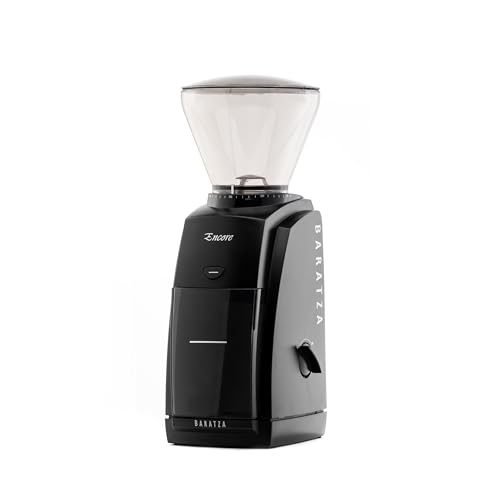
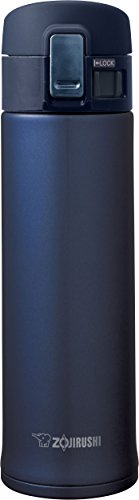
Coffee & Caffeine Products

Optimize your caffeine intake with quality coffee gear and nootropic alternatives.

As an Amazon Associate, Health Secrets earns from qualifying purchases. Prices and availability are subject to change.