
Berberine has surged from obscure traditional remedy to one of the most searched supplements globally — largely driven by its comparison to metformin and its potential for blood sugar and weight management. The clinical evidence is genuinely impressive: head-to-head trials show comparable glucose and HbA1c reduction to metformin, with berberine actually outperforming for triglycerides.
But berberine is not a casual supplement. It has significant drug interactions (it inhibits the same liver enzymes many medications depend on), GI side effects that require careful management, and dosing nuances that determine whether it works. This complete guide provides everything you need for informed, safe supplementation.
Related reading: Berberine for Blood Sugar · Glycemic Index Guide · Fasting Blood Sugar Guide
What Is Berberine and Why Has It Become So Popular?
Berberine is a bright yellow plant alkaloid found in barberry, goldenseal, goldthread, and Oregon grape. It has 2,500+ years of use in traditional Chinese medicine. Modern popularity exploded after a landmark 2008 study showed it matched metformin for blood sugar reduction — sparking over 40 clinical trials.
How Does Berberine Work?
Four mechanisms:
AMPK activation (increases glucose uptake, reduces liver glucose production, enhances fat burning), gut microbiome modulation (increases beneficial SCFA-producing bacteria),
GLP-1 enhancement (the same hormone Ozempic targets — reduces appetite, enhances insulin), and insulin receptor upregulation (makes cells more insulin-responsive).

Why Is Berberine Absorption So Poor and How Do You Fix It?
Only ~5% reaches systemic circulation due to P-glycoprotein efflux and extensive liver metabolism. However, much of berberine's benefit comes from local gut effects (microbiome, GLP-1). Maximize absorption by taking with meals, splitting into 3 daily doses, adding piperine (black pepper), or using dihydroberberine (DHB) for 5x better absorption.
How to Dose Berberine
Ramp-up protocol:
- Week 1: 500 mg once daily (dinner)
- Week 2: 500 mg twice daily (breakfast + dinner)
- Week 3+: 500 mg three times daily (with all meals)
Timeline: Fasting glucose improvement: 2–4 weeks. Triglycerides: 4–8 weeks. HbA1c: 8–12 weeks. Weight loss: 8–12 weeks. Full benefit: 12–16 weeks.
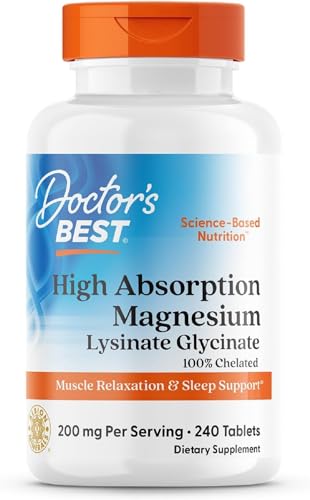
Doctor's Best Magnesium Glycinate 200mg
Editor's ChoiceDoctor's Best · Enhancing insulin sensitivity alongside berberine's AMPK activation

Nordic Naturals Ultimate Omega
Best for TriglyceridesNordic Naturals · Amplifying berberine's triglyceride-lowering effect
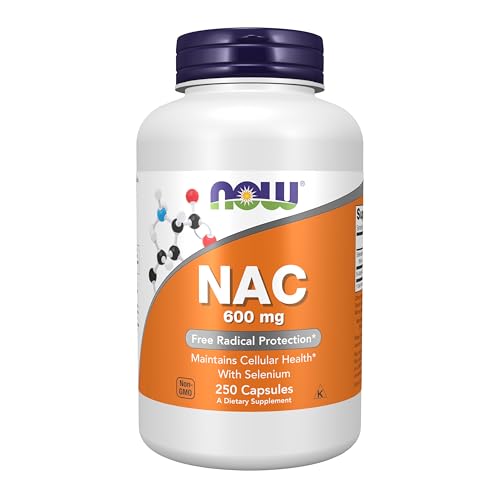
NOW Foods NAC 600mg
Best for Liver ProtectionNOW Foods · Protecting the liver during berberine's extensive hepatic metabolism

Renew Life Ultimate Flora Extra Care 50 Billion
Best for Gut-Metabolic SynergyRenew Life · Supporting the microbiome changes berberine promotes
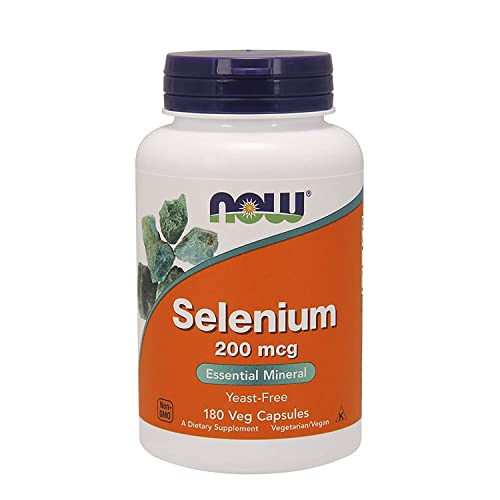
NOW Foods Selenium 200mcg
Best for Thyroid-Metabolic SupportNOW Foods · Supporting thyroid function that regulates metabolic rate
Read the detailed review cards below before opening any retailer link
Top Recommended Products
Doctor's Best
Doctor's Best Magnesium Glycinate 200mg
Addresses insulin resistance from a complementary angle to berberine's AMPK pathway.
Pluspunten
- + Berberine activates AMPK
- + magnesium improves insulin receptor sensitivity — different mechanisms
- + additive benefit
Minpunten
- - Requires 2 tablets
Waarom we dit hebben opgenomen: Addresses insulin resistance from a complementary angle to berberine's AMPK pathway.
Retailer-link opent op Amazon na de bovenstaande beoordelingsdetails
Nordic Naturals
Nordic Naturals Ultimate Omega
Different triglyceride-lowering mechanisms produce additive benefit.
Pluspunten
- + Berberine reduces TG 15–25%
- + omega-3 adds 15–30% more — powerful combined lipid management
Minpunten
- - Requires 2 softgels
Waarom we dit hebben opgenomen: Different triglyceride-lowering mechanisms produce additive benefit.
Retailer-link opent op Amazon na de bovenstaande beoordelingsdetails
NOW Foods
NOW Foods NAC 600mg
Prudent liver support during berberine use.
Pluspunten
- + Berberine is extensively liver-metabolized
- + NAC boosts hepatic glutathione for protection
Minpunten
- - Large capsule
Waarom we dit hebben opgenomen: Prudent liver support during berberine use.
Retailer-link opent op Amazon na de bovenstaande beoordelingsdetails
Renew Life
Renew Life Ultimate Flora Extra Care 50 Billion
Amplifies berberine's gut-mediated metabolic effects.
Pluspunten
- + Berberine reshapes the microbiome
- + probiotics support beneficial colonization
Minpunten
- - Requires refrigeration
Waarom we dit hebben opgenomen: Amplifies berberine's gut-mediated metabolic effects.
Retailer-link opent op Amazon na de bovenstaande beoordelingsdetails
NOW Foods
NOW Foods Selenium 200mcg
Thyroid function directly affects metabolic rate.
Pluspunten
- + Optimal thyroid function maximizes berberine's metabolic improvements
- + affordable
Minpunten
- - Should not exceed 400 mcg daily
Waarom we dit hebben opgenomen: Thyroid function directly affects metabolic rate.
Retailer-link opent op Amazon na de bovenstaande beoordelingsdetails
Can You Get Berberine from Food?
Not in therapeutic amounts. It occurs in medicinal plants consumed as teas or tinctures, but far below the 1,500 mg daily clinical dose. Supplementation is necessary. Complement with low-glycemic eating, fiber-rich foods, omega-3, and chromium-rich foods.

Berberine Safety: Drug Interactions Are CRITICAL
CRITICAL interactions (CYP enzyme inhibition):
- Metformin — Hypoglycemia + lactic acidosis risk
- Cyclosporine — NEVER combine (dramatically increases levels)
- Warfarin — Increases bleeding risk
- Macrolide antibiotics — Toxicity risk
- Statins — May increase statin levels
- Blood pressure and diabetes medications — Enhanced effects
Who must avoid: Pregnant/breastfeeding women, people on cyclosporine, liver disease, children, pre-surgery (stop 2 weeks before).
Side effects: GI (10–35%): diarrhea, cramping, nausea. Managed with dose ramp-up and taking with food.

How Does Berberine Compare to Metformin?
Head-to-head (Yin 2008): Comparable HbA1c (-0.9% vs -1.0%), comparable fasting glucose, berberine BETTER for triglycerides (-17.6% vs -2.4%). However, metformin has 50+ years of evidence, better-understood long-term safety, and extended-release options. Berberine is best positioned for metformin-intolerant patients, prediabetes, metabolic syndrome, and as a complement (under medical supervision).
What Should You Do First?
Before starting:
- Consult your doctor (especially with any medications)
- Get baseline blood work: fasting glucose, HbA1c, lipid panel, liver enzymes
- Review all medications for CYP interactions
Weeks 1–4:
- Start 500 mg with dinner, ramp to 3x/day over 3 weeks
- Monitor blood sugar if on diabetes medication
- Track GI symptoms
Month 3:
- Retest fasting glucose, HbA1c, lipid panel
- Review results with doctor

