 Pin It
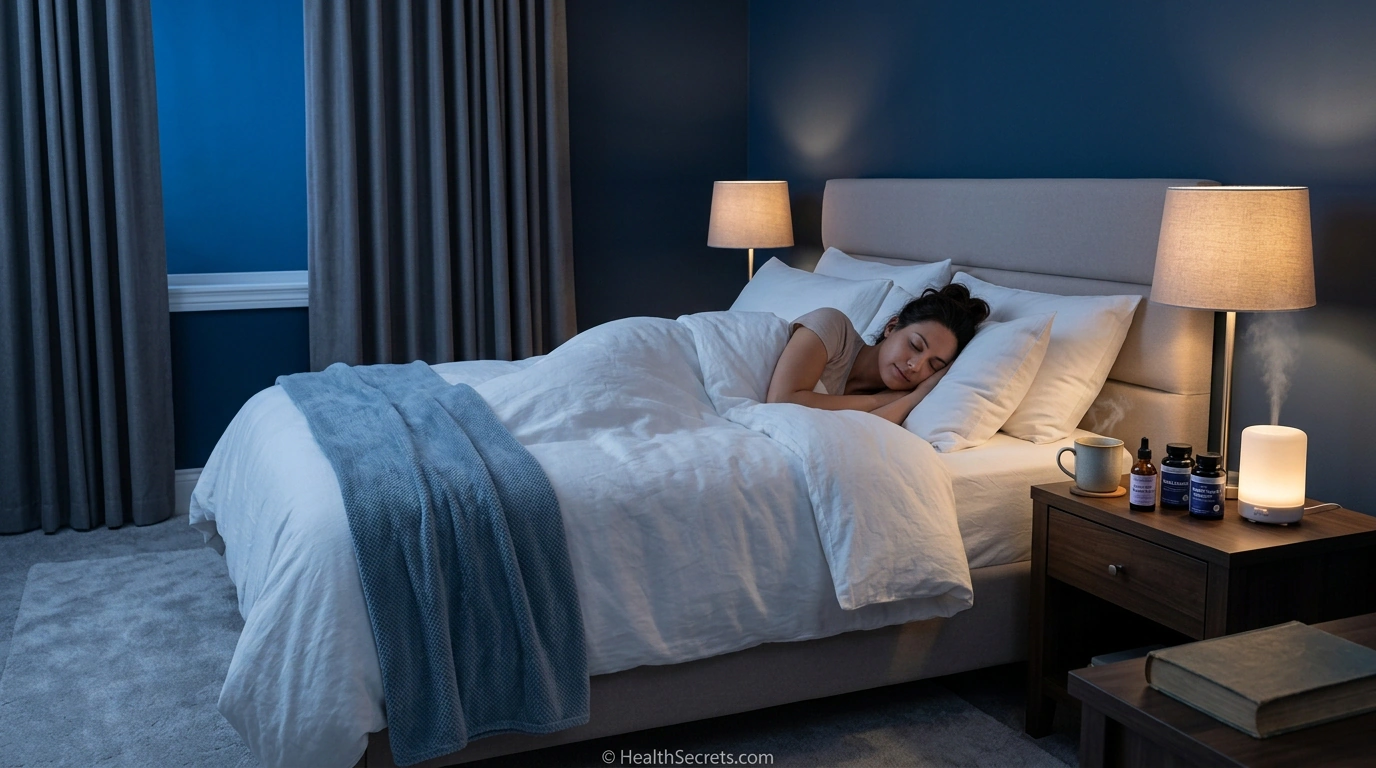
 Natural Remedies for Insomnia: Sleep Better Tonight
Who This Is For
Best for readers who want a practical natural remedies action plan.
Who Should Be Careful
Not for self-treating severe symptoms without medical review.
Affiliate Disclaimer | This article may contain affiliate links to products we trust. If you choose to buy through them, we may earn a small commission at no extra cost to you. Full disclosure
Medical Disclaimer | For informational purposes only. Not a substitute for professional medical advice. Read full disclaimer
Key Takeaways
Nature’s Way Valerian Root 530mg
Best Valerian RootNature’s Way · Chronic insomnia and difficulty falling asleep
Swanson Full Spectrum Passionflower 500mg
Best PassionflowerSwanson Full · Anxiety-related insomnia and racing thoughts
Doctor’s Best High Absorption Magnesium Glycinate 200mg
Best Magnesium for SleepDoctor’s Best · General sleep quality and stress-related insomnia
Life Extension Melatonin 300mcg
Best Low-Dose MelatoninLife Extension · Circadian rhythm reset and sleep onset
NOW Foods L-Theanine 200mg
Best L-TheanineNOW Foods · Stress-related insomnia and improving sleep quality
Celestial Seasonings Sleepytime Herbal Tea
Best Sleep TeaCelestial Seasonings · Mild insomnia and calming bedtime routine
Plant Therapy Lavender Essential Oil 10ml
Best Lavender Oil for SleepPlant Therapy · Aromatherapy-based sleep support
NICETOWN 100% Blackout Curtain Panels
Best Blackout CurtainsNICETOWN 100% · Creating complete darkness for optimal melatonin production
OLLY Sleep Gummy (Melatonin + L-Theanine + Chamomile)
Best Sleep Combination SupplementOLLY Sleep · Multi-ingredient sleep support in convenient form
Read the detailed review cards below before opening any retailer link
If you’re lying awake at 2 AM staring at the ceiling, you’re far from alone. Insomnia is one of the most common health complaints worldwide, affecting nearly one in three adults at some point. The good news? You don’t need prescription sleeping pills to reclaim your nights. Research shows that natural remedies, proper sleep hygiene, and behavioral techniques can be remarkably effective—often more so than medications in the long term.
From ancient herbs like valerian root and passionflower to modern behavioral approaches like CBT-I (which boasts a 70–80% success rate), this guide walks you through a complete, step-by-step protocol for beating insomnia naturally. Whether you’re dealing with occasional sleeplessness or chronic insomnia, you’ll find actionable strategies backed by clinical research to help you fall asleep faster, stay asleep longer, and wake up feeling genuinely refreshed.
For more sleep optimization strategies, see our Sleep Optimization Complete Guide and Sleep Supplements Complete Guide. If stress is contributing to your insomnia, explore our guide to lowering cortisol naturally.
What Is Insomnia and Why Does It Affect So Many People?
Insomnia is a sleep disorder characterized by difficulty falling asleep, staying asleep, waking too early, or experiencing non-restorative sleep despite adequate opportunity. It affects approximately 30% of adults occasionally and 10% chronically (3+ nights per week for 3+ months), with women at 1.4 times higher risk than men due to hormonal fluctuations Ohayon MM, Sleep Med Rev [18].

What Are the Different Types of Insomnia?
Insomnia presents in several distinct patterns.
- Sleep onset insomnia means taking more than 30 minutes to fall asleep.
- Sleep maintenance insomnia involves frequent nighttime awakenings.
- Terminal insomnia is waking 2–3 hours early and being unable to return to sleep.
- Non-restorative sleep means waking unrefreshed despite adequate time in bed.
- Acute insomnia (less than 3 months) is typically triggered by stress, travel, or life changes and usually self-resolves.
- Chronic insomnia (3+ months, 3+ nights per week) requires structured treatment [19].
What Causes Insomnia and What Are the Health Consequences?
Common causes include psychological factors (stress, anxiety, depression), medical conditions (chronic pain, GERD, hormonal changes), medications (stimulants, corticosteroids), lifestyle factors (irregular schedule, caffeine, alcohol, screen use), and circadian rhythm disruptions (shift work, jet lag).
Chronic insomnia carries serious health risks: 40% increased cardiovascular disease risk, doubled depression risk, up to 40% cognitive impairment, metabolic dysfunction including insulin resistance, 50% higher infection risk from weakened immunity, and increased accident risk comparable to drunk driving [20] Irwin MR, Nat Rev Immunol [21] Roth T, J Clin Sleep Med [27].
How Can Sleep Hygiene Habits Transform Your Sleep Quality?
Sleep hygiene—the behaviors and environmental conditions that promote quality sleep—forms the foundation of any insomnia treatment plan. Research shows that sleep hygiene improvements are more effective than supplements alone for chronic insomnia, and a consistent routine can entrain your circadian rhythm within 7–14 days [23].

How Does a Consistent Sleep Schedule Fix Insomnia?
Maintaining the same bedtime and wake time every day—including weekends—is the single most impactful sleep hygiene change. Your body’s suprachiasmatic nucleus (SCN) needs consistent cues to regulate your sleep-wake cycle. Keep variation under 30 minutes to avoid “social jet lag.” Most people see noticeable improvements within 7–14 days. See our Circadian Rhythm Reset Guide for a detailed protocol.
Why Is Complete Darkness Essential for Sleep?
Even small amounts of light suppress melatonin production, with blue light causing up to 50% suppression during 2 hours of evening exposure [22]. Use blackout curtains for 100% light blocking, cover LED indicators on electronics, and consider an eye mask. Avoid phones, tablets, and computers for 2–3 hours before bed, or at minimum use blue-light blocking glasses with amber lenses.
What Is the Optimal Bedroom Temperature for Sleep?
Your core body temperature must drop 1–2°F to initiate sleep, making room temperature critical. Research indicates 65–68°F (18–20°C) is optimal for most people. A warm bath 90 minutes before bed helps by temporarily raising body temperature, creating a steeper decline that triggers sleepiness.
How Does a Bedtime Relaxation Routine Signal Sleep?
A consistent 30–60 minute wind-down routine acts as a Pavlovian signal for sleep. Effective activities include meditation (reduces cortisol by 25%), reading a physical book, gentle stretching or yoga, and calming herbal tea. Reserve your bed exclusively for sleep and intimacy—if you’re not asleep within 20 minutes, get up and do a relaxing activity until sleepy. See our Meditation for Beginners Guide.
Which Natural Supplements Are Most Effective for Insomnia?
Several natural supplements have strong clinical evidence for improving sleep, with valerian root showing up to 37% improvement, magnesium glycinate improving quality by 15%, and low-dose melatonin reducing sleep onset latency by 7–12 minutes. These work best when combined with proper sleep hygiene and are generally safe for long-term use under healthcare guidance.

How Does Valerian Root Improve Sleep Quality by 37%?
Valerian root (Valeriana officinalis) increases GABA—the brain’s primary inhibitory neurotransmitter—and reduces its breakdown, promoting relaxation and sedation. A meta-analysis found valerian improved subjective sleep quality significantly compared to placebo [1]. A 2023 RCT confirmed that standardized extract with 2% valerenic acid produced significant improvements [3]. Effects are cumulative—expect 2–4 weeks for full benefit [2].
Dosing: 300–600mg standardized extract (0.8% valerenic acid), 30–60 minutes before bed.
How Does Magnesium Glycinate Calm the Nervous System for Better Sleep?
Magnesium deficiency affects approximately 50% of Americans and directly impairs sleep. This essential mineral acts as a natural GABA agonist, NMDA antagonist, and cortisol regulator. A landmark study found magnesium supplementation significantly improved sleep quality, time, and insomnia severity [5]. A systematic review confirmed the association between magnesium status and sleep quality [6]. A recent RCT found magnesium bisglycinate significantly improved sleep outcomes PMC12412596 [7].
Dosing: 300–500mg elemental magnesium (glycinate form preferred), 1–2 hours before bed.
Why Is Less More When Taking Melatonin for Sleep?
A meta-analysis of 19 studies (1,683 subjects) found melatonin reduced sleep latency by approximately 7 minutes and increased total sleep time by about 8 minutes [4]. Crucially, physiological doses (0.3–1mg) often work better than high doses because they mimic natural production without overwhelming receptors or causing morning grogginess [29].
Dosing: 0.3–1mg, 30–60 minutes before desired bedtime. Best for circadian reset rather than sleep maintenance.
How Does L-Theanine Promote Relaxation Without Sedation?
L-theanine increases alpha brain waves and boosts calming neurotransmitters including GABA, serotonin, and dopamine. A systematic review found 200–450mg daily supported healthy sleep with improvements in quality, latency, maintenance, and efficiency [8]. Unlike sedatives, L-theanine promotes relaxation without drowsiness.
Dosing: 200–400mg, 30–60 minutes before bed. Synergistic with magnesium.
Can Passionflower, Chamomile, and Other Herbs Help You Sleep?
Several additional herbs show promising evidence:
- Passionflower (250–500mg): RCTs demonstrate significant reduction in stress and increased total sleep time through GABA-ergic mechanisms [9]. Even passionflower tea improved subjective sleep quality Ngan A, Conduit R, Phytother Res [10]
- Chamomile (270–1,100mg extract or tea): Contains apigenin, which binds GABA receptors. A meta-analysis confirmed improved sleep onset latency and reduced awakenings [11]
- Glycine (3g before bed): Lowers core body temperature and improves subjective sleep quality while reducing daytime sleepiness [12] [13]
- Lavender (aromatherapy or 80–160mg oral): A systematic review found significant improvements in sleep quality through linalool’s GABA-ergic pathways Lillehei AS, Halcon LL, J Altern Complement Med [16]
- Tart cherry juice (240ml twice daily): A natural melatonin source that increased sleep duration by up to 84 minutes in pilot studies [14] [15]
For comprehensive supplement reviews, see our Sleep Supplements Complete Guide.
How Does CBT-I Achieve 70–80% Success Rate Without Medication?
Cognitive Behavioral Therapy for Insomnia (CBT-I) is the gold standard first-line treatment, achieving a 70–80% success rate—better than sleeping pills long-term with no side effects. A meta-analysis of 67 RCTs (5,232 participants) found large effect sizes for insomnia severity (g=0.98), sleep efficiency (g=0.77), and sleep onset latency (g=0.64) [17].

What Are the Core Components of CBT-I?
- Stimulus Control strengthens the bed-sleep association: only go to bed when truly sleepy, get up if not asleep within 20 minutes, maintain the same wake time daily, and reserve the bed for sleep and intimacy only.
- Sleep Restriction consolidates sleep by limiting time in bed to actual sleep time plus 30 minutes. For example, if you actually sleep 6 hours but spend 8 hours in bed, restrict to 6.5 hours. Gradually increase as sleep efficiency exceeds 85%.
- Cognitive Restructuring challenges dysfunctional beliefs about sleep. Replace “I must get 8 hours or I’ll be a wreck” with “I can function on less sleep—I’ve done it before.”
- Relaxation Techniques reduce physiological and cognitive arousal: progressive muscle relaxation, 4-7-8 breathing technique, guided imagery, and mindfulness meditation.
CBT-I is available through sleep specialists, digital programs (Sleepio, SHUTi), and self-help books. The dropout rate is only 13.3%, indicating high tolerability [28].
How Can You Reset Your Circadian Rhythm for Better Sleep?
Your circadian rhythm is a 24-hour internal clock controlled by the suprachiasmatic nucleus. Optimizing light exposure and timing cues can advance your sleep phase by up to 2 hours, making it easier to fall asleep at your desired bedtime. Most people see significant improvements within 7–14 days of consistent circadian optimization.


- Morning bright light (10,000 lux for 30 minutes within 1–2 hours of waking) is the most powerful circadian signal. Go outside in natural sunlight or use a light therapy box. This advances your circadian phase and suppresses residual melatonin.
- Evening darkness (less than 10 lux after sunset) preserves natural melatonin production. Use dim amber or red lighting and wear blue-light blocking glasses if screen use is unavoidable. See our Circadian Rhythm Reset Guide for a detailed protocol.
- Avoid naps or limit them to 20–30 minutes before 3 PM. Longer or later naps reduce sleep drive and make nighttime sleep onset harder.
What Lifestyle Changes Have the Biggest Impact on Insomnia?
Lifestyle modifications address the root causes of insomnia. Regular exercise improves sleep quality by approximately 20%, while eliminating evening caffeine and alcohol removes two of the most common sleep disruptors. These changes often produce improvements within 1–2 weeks.

- Exercise 150 minutes per week (moderate aerobic) improves sleep quality by 20% and reduces sleep latency—but avoid vigorous exercise within 3 hours of bedtime [24]
- Eliminate caffeine after 2 PM—with a half-life of 5–6 hours, afternoon coffee still has 50% caffeine in your system at bedtime [25]
- Avoid alcohol within 3–4 hours of bed—while initially sedating, alcohol disrupts REM sleep and increases second-half awakenings [26]
- Finish eating 3 hours before bed—digestion interferes with sleep and lying down worsens GERD
- Manage stress daily—meditation, yoga, journaling, or therapy. See our stress management guide
What Are the Best Expert Tips for Falling Asleep Faster?
Beyond the core steps, these evidence-based tips can accelerate your progress toward better sleep. Each targets a specific mechanism involved in sleep onset or maintenance.

- Try the “cognitive shuffle” technique—randomly think of unrelated objects every few seconds to prevent rumination and engage sleep-inducing patterns
- Keep a worry journal—write down tomorrow’s concerns 1–2 hours before bed so your brain doesn’t process them at night
- Use the 4-7-8 breathing technique—inhale 4 counts, hold 7, exhale 8; activates the parasympathetic nervous system within 2–3 cycles
- Wear socks to bed—warming extremities dilates blood vessels, facilitating the core temperature drop needed for sleep onset
- Stack supplements strategically—combine magnesium glycinate + L-theanine as a nightly foundation, add valerian for chronic insomnia, use melatonin only for circadian resets
- Create a “sleep kit”—blackout curtains, white noise machine, comfortable pillow, and lavender essential oil
- Track your sleep—use a sleep diary for 2 weeks to identify patterns and guide CBT-I sleep restriction
When Should You See a Doctor About Your Insomnia?
While natural remedies are effective for many people, certain signs indicate you need professional evaluation. Chronic insomnia lasting more than 3 months warrants a sleep specialist referral, as does insomnia accompanied by loud snoring, gasping, or excessive daytime sleepiness (possible sleep apnea). See a doctor if you experience no improvement after 4–8 weeks of consistent natural approaches.

Red flags requiring medical evaluation:
- Sleep apnea symptoms—loud snoring, gasping/choking during sleep, morning headaches, excessive daytime sleepiness
- Restless leg syndrome—uncomfortable urge to move legs that worsens at rest and in the evening
- Underlying conditions—depression, anxiety, chronic pain, thyroid disorders, or medication side effects
- Chronic insomnia (3+ months)—CBT-I with a trained therapist is the most effective treatment
Supplement safety notes: Valerian may enhance sedative medications—consult your doctor. Melatonin quality varies widely (some products contain 400% of stated dose)—choose USP or NSF verified brands. Chamomile may cross-react with ragweed allergies. Do not use sleep restriction if you have bipolar disorder or seizure disorders. Pregnant or breastfeeding women should consult their healthcare provider before using any sleep supplements.
What Is the Best Step-by-Step Action Plan to Beat Insomnia Naturally?
This phased action plan builds from foundational habits to targeted interventions. Most people experience noticeable improvements within 2–4 weeks and significant resolution within 8–12 weeks when following the complete protocol consistently.

Phase 1: Foundation (Weeks 1–2)
- Set a consistent bedtime and wake time (same every day, including weekends)
- Make your bedroom completely dark (blackout curtains + cover all LEDs)
- Set bedroom temperature to 65–68°F (18–20°C)
- Eliminate screens 2 hours before bed
- Stop caffeine after 2 PM and alcohol within 3–4 hours of bed
- Start a sleep diary to track baseline patterns
Phase 2: Supplements (Weeks 2–4)
- Start magnesium glycinate (300–400mg) each evening
- Add L-theanine (200mg) 30–60 minutes before bed
- Try chamomile or passionflower tea as part of your bedtime routine
- If needed for circadian reset, add low-dose melatonin (0.3–1mg) short-term
- Begin valerian root (300–600mg) if sleep onset is the primary issue
Phase 3: Behavioral Strategies (Weeks 3–6)
- Implement stimulus control: bed for sleep only, get up if awake 20+ minutes
- Get 30 minutes of bright morning light within 1–2 hours of waking
- Start 150 minutes/week of moderate exercise (avoid 3 hours before bed)
- Practice daily stress management: meditation, journaling, or yoga
- Dim lights and use amber bulbs after sunset
Phase 4: Optimization (Weeks 6–12+)
- Calculate sleep efficiency and consider sleep restriction if below 85%
- Practice cognitive restructuring for sleep-related anxiety
- Fine-tune supplement stack based on response
- Consider professional CBT-I if insomnia persists
- Evaluate for underlying conditions if no improvement by week 8
Expected Timeline: Initial improvements in sleep onset within 1–2 weeks. Sleep quality and duration typically improve by weeks 3–4. Full benefits realized by weeks 8–12.
Top Recommended Products
Nature’s Way
Nature’s Way Valerian Root 530mg
Nature’s Way delivers a clinically relevant dose of valerian root in a verified, affordable format. The TRU-ID authentication confirms botanical identity, and the 530mg dose aligns with research showing 300–600mg effective for sleep improvement.
Pros
- + Affordable price per serving
- + Non-GMO verified with TRU-ID authentication
- + Well-established brand with decades of herbal expertise
Cons
- - Strong earthy smell characteristic of valerian
Why we included it: Nature’s Way delivers a clinically relevant dose of valerian root in a verified, affordable format. The TRU-ID authentication confirms botanical identity, and the 530mg dose aligns with research showing 300–600mg effective for sleep improvement.
Retailer link opens on Amazon after the review details above
Swanson Full
Swanson Full Spectrum Passionflower 500mg
Swanson’s passionflower delivers the clinically studied 500mg dose that research shows improves sleep quality and reduces anxiety through GABA-ergic mechanisms, at an accessible price.
Pros
- + Effective dose for anxiety-related sleep issues
- + Affordable price point
- + Full-spectrum extraction preserves synergistic compounds
Cons
- - May cause mild drowsiness the next morning in sensitive individuals
Why we included it: Swanson’s passionflower delivers the clinically studied 500mg dose that research shows improves sleep quality and reduces anxiety through GABA-ergic mechanisms, at an accessible price.
Retailer link opens on Amazon after the review details above
Doctor’s Best
Doctor’s Best High Absorption Magnesium Glycinate 200mg
Doctor’s Best uses patented Albion chelated magnesium glycinate, providing dual benefits—magnesium calms the nervous system while glycine independently promotes sleep by lowering core body temperature.
Pros
- + Glycinate form ideal for sleep with dual magnesium and glycine benefits
- + No laxative effect unlike magnesium oxide
- + High bioavailability chelated form
Cons
- - Requires 2 tablets per serving for 200mg dose
Why we included it: Doctor’s Best uses patented Albion chelated magnesium glycinate, providing dual benefits—magnesium calms the nervous system while glycine independently promotes sleep by lowering core body temperature.
Retailer link opens on Amazon after the review details above
Life Extension
Life Extension Melatonin 300mcg
Most melatonin products are dramatically overdosed. Life Extension’s 300mcg capsule delivers the physiological dose that MIT research identified as optimal for improving sleep without morning grogginess.
Pros
- + Physiological dose mimics natural production
- + Less grogginess than high-dose options
- + Research-backed optimal dose for sleep onset
Cons
- - May be insufficient for individuals with severely disrupted circadian rhythms
Why we included it: Most melatonin products are dramatically overdosed. Life Extension’s 300mcg capsule delivers the physiological dose that MIT research identified as optimal for improving sleep without morning grogginess.
Retailer link opens on Amazon after the review details above
NOW Foods
NOW Foods L-Theanine 200mg
NOW Foods uses patented Suntheanine, the most clinically studied form of L-theanine, ensuring you get the pure L-isomer shown to promote alpha brain waves and relaxation.
Pros
- + Patented Suntheanine for verified purity
- + Added inositol enhances calming effects
- + 120-count excellent value
Cons
- - Contains inositol which some may not want
Why we included it: NOW Foods uses patented Suntheanine, the most clinically studied form of L-theanine, ensuring you get the pure L-isomer shown to promote alpha brain waves and relaxation.
Retailer link opens on Amazon after the review details above
Celestial Seasonings
Celestial Seasonings Sleepytime Herbal Tea
The classic Sleepytime blend combines chamomile, spearmint, and lemongrass in a gentle, caffeine-free formula perfect for building a calming bedtime ritual that signals your brain it’s time to wind down.
Pros
- + Affordable and accessible
- + Chamomile base provides apigenin for GABA binding
- + Tea ritual enhances relaxation
Cons
- - Lower potency than concentrated extracts
Why we included it: The classic Sleepytime blend combines chamomile, spearmint, and lemongrass in a gentle, caffeine-free formula perfect for building a calming bedtime ritual that signals your brain it’s time to wind down.
Retailer link opens on Amazon after the review details above
Plant Therapy
Plant Therapy Lavender Essential Oil 10ml
Plant Therapy’s lavender oil is GC/MS tested to verify purity and composition, ensuring you get the linalool and linalyl acetate compounds shown to improve sleep quality through GABA-ergic pathways.
Pros
- + GC/MS tested for purity verification
- + Therapeutic-grade quality at affordable price
- + Versatile use in diffuser or on pillow
Cons
- - Requires a diffuser for optimal aromatherapy use
Why we included it: Plant Therapy’s lavender oil is GC/MS tested to verify purity and composition, ensuring you get the linalool and linalyl acetate compounds shown to improve sleep quality through GABA-ergic pathways.
Retailer link opens on Amazon after the review details above
NICETOWN 100%
NICETOWN 100% Blackout Curtain Panels
Complete darkness is essential for melatonin production. NICETOWN’s triple-weave technology with black liner achieves true 100% light blocking, while thermal insulation helps maintain the cool temperature optimal for sleep.
Pros
- + True 100% blackout with black liner technology
- + Thermal insulating for temperature control
- + Multiple color options available
Cons
- - Black liner may be visible from outside depending on color choice
Why we included it: Complete darkness is essential for melatonin production. NICETOWN’s triple-weave technology with black liner achieves true 100% light blocking, while thermal insulation helps maintain the cool temperature optimal for sleep.
Retailer link opens on Amazon after the review details above
OLLY Sleep
OLLY Sleep Gummy (Melatonin + L-Theanine + Chamomile)
For those who prefer an all-in-one approach, OLLY combines melatonin with L-theanine, chamomile, passionflower, and lemon balm in a palatable gummy. We recommend starting with 1 gummy (1.5mg melatonin) rather than the full serving.
Pros
- + Convenient gummy format increases compliance
- + Combines multiple research-backed ingredients
- + NSF certified for quality
Cons
- - Contains 3mg melatonin which is higher than optimal physiological dose
Why we included it: For those who prefer an all-in-one approach, OLLY combines melatonin with L-theanine, chamomile, passionflower, and lemon balm in a palatable gummy. We recommend starting with 1 gummy (1.5mg melatonin) rather than the full serving.
Retailer link opens on Amazon after the review details above
Further Reading
Further Reading
"Say Good Night to Insomnia"
by Gregg D. Jacobs, PhD
Complete 6-week CBT-I self-guided program; Sleep restriction and stimulus control protocols; Cognitive restructuring exercises; Relaxation technique scripts; Sleep diary templates
Why it adds value here
Dr. Jacobs developed the CBT-I program at Harvard that achieved 100% improvement in 96% of patients and 75% reduction in sleeping pill use. This book translates that clinical program into a practical self-guided format.
Best for: Anyone with chronic insomnia seeking the gold standard behavioral treatment
View book detailsFurther Reading
"The Sleep Solution"
by W. Chris Winter, MD
Clear explanation of sleep science and circadian biology; Practical strategies for every type of sleep problem; Guidance on supplements and evidence base; When and how to seek professional help; Engaging writing style
Why it adds value here
Dr. Winter combines deep clinical expertise with accessible writing to help readers understand WHY they can’t sleep and develop targeted solutions integrating natural remedies, behavioral techniques, and medical evaluation.
Best for: Anyone wanting to understand sleep science and develop a personalized optimization plan
View book detailsAEO FAQ
Frequently Asked Questions
20 common questions answered
Valerian root (300–600mg) is one of the most effective single natural remedies, improving sleep quality by up to 37%. However, the most effective approach combines sleep hygiene, magnesium glycinate, and L-theanine as a daily foundation. CBT-I behavioral techniques are even more effective at 70–80% success rates.
Valerian root typically takes 2–4 weeks of consistent daily use to reach full effectiveness. Unlike sedative medications, valerian works through cumulative GABA-ergic mechanisms. Some people notice mild improvement within the first week, but full benefits develop gradually.
Standard melatonin primarily helps with falling asleep (reducing sleep latency by 7–12 minutes) rather than staying asleep. For sleep maintenance insomnia, magnesium glycinate, glycine, or CBT-I techniques are more appropriate. Melatonin is best for circadian rhythm issues like jet lag or delayed sleep phase.
Magnesium glycinate is the best form for sleep because the glycine amino acid bond provides dual benefits—magnesium calms the nervous system while glycine independently promotes sleep by lowering core body temperature. It’s also highly bioavailable and doesn’t cause the laxative effects of magnesium oxide.
Yes, L-theanine is generally considered safe for nightly use. As a naturally occurring amino acid in green tea, it has an excellent safety profile with no known dependency or tolerance issues. Studies using 200–400mg daily show consistent benefits without adverse effects.
Yes, clinical research supports chamomile’s mild sleep benefits. The active compound apigenin binds to GABA receptors, producing gentle sedation. A meta-analysis confirmed improvements in sleep onset latency and reduced awakenings. The calming ritual of preparation enhances the effect.
Lavender’s key compounds—linalool and linalyl acetate—affect the brain through olfactory pathways, modulating GABA neurotransmission for calming effects. A systematic review found significant improvements in sleep quality, particularly among older adults. Simply 2–3 drops in a diffuser or on a pillow before bed can help.
CBT-I (Cognitive Behavioral Therapy for Insomnia) is a structured behavioral treatment with stimulus control, sleep restriction, cognitive restructuring, and relaxation techniques. With a 70–80% success rate and only 13.3% dropout, it’s the gold standard first-line treatment—more effective than sleeping pills long-term.
Yes, 150 minutes per week of moderate aerobic exercise improves sleep quality by approximately 20% and reduces sleep latency. Avoid vigorous exercise within 3 hours of bedtime, as elevated body temperature and cortisol can interfere with sleep onset. Morning or afternoon exercise is ideal.
Screens emit blue light (460–480nm) that suppresses melatonin production by up to 50% with just 2 hours of evening exposure, delaying your circadian phase by 1–2 hours. Eliminating screens 2–3 hours before bed or using amber blue-light blocking glasses preserves natural melatonin production.
Research indicates 65–68°F (18–20°C) is optimal for most adults. Your core body temperature must drop 1–2°F to initiate sleep, and a cool room facilitates this. A warm bath 90 minutes before bed helps by creating a steeper post-bath temperature drop.
Most improvements show initial results within 1–2 weeks, with a consistent sleep schedule entraining your circadian rhythm within 7–14 days. Full benefits typically develop over 3–4 weeks. Patience and consistency are essential.
Yes, many natural sleep supplements work synergistically. A well-supported combination is magnesium glycinate (300–400mg) plus L-theanine (200mg) nightly. You can add valerian root for additional support. Be cautious combining melatonin with other sedating herbs, and consult your healthcare provider.
Yes, 3 grams of glycine before bed significantly improves subjective sleep quality, reduces sleep latency, and decreases daytime sleepiness. Glycine works by lowering core body temperature—a necessary trigger for sleep onset. It’s exceptionally well-tolerated with virtually no side effects.
Clinical studies show tart cherry juice (240ml twice daily) can increase sleep duration by up to 84 minutes. Montmorency tart cherries are a natural melatonin source with tryptophan and anti-inflammatory antioxidants. Be aware of sugar and calorie content (~120 calories per 8oz).
See a doctor if insomnia persists beyond 3 months, if you experience sleep apnea symptoms (loud snoring, gasping, excessive daytime sleepiness), restless leg syndrome, or if insomnia accompanies depression, anxiety, or chronic pain. Also seek evaluation if there’s no improvement after 4–8 weeks.
Most natural sleep supplements lack sufficient pregnancy safety data and should be avoided unless approved by your healthcare provider. Safe alternatives include sleep hygiene optimization, relaxation techniques, chamomile tea in moderate amounts, and magnesium supplementation (often recommended during pregnancy).
Caffeine blocks adenosine receptors, suppressing your natural sleep pressure signal. With a 5–6 hour half-life, caffeine at 2 PM still has 50% concentration at 8 PM. Research shows caffeine within 6 hours of bedtime significantly reduces sleep quality and total sleep time. Eliminate after 2 PM.
Sleep restriction limits time in bed to actual sleep time plus 30 minutes, increasing sleep drive and consolidating fragmented sleep. If you sleep 6 hours but spend 8 in bed, restrict to 6.5 hours. Gradually increase as sleep efficiency improves above 85%. Challenging initially but highly effective.
Yes, passionflower is particularly effective for anxiety-related insomnia. Clinical trials show it improves sleep quality and significantly reduces stress through GABA-ergic mechanisms. At 250–500mg extract taken 30–60 minutes before bed, it’s one of the best options for racing thoughts and nighttime anxiety.
Was this article helpful?
Written & Reviewed By Experts
Author
Dr. Nina Patel
Medical Reviewer
Dr. Sarah Chen
All content is evidence-based, peer-reviewed by qualified professionals, and updated regularly. Our editorial team follows strict guidelines for accuracy and transparency.
References & Citations
30 sources cited
Medical Disclaimer
This article is for informational purposes only and does not constitute medical advice. Read the full medical disclaimer. Always consult with a qualified healthcare provider before starting any new supplement, treatment, or major dietary change.