
Few things disrupt your day quite like persistent gas and bloating. That uncomfortable fullness after meals, the embarrassing rumbling, the pressure that makes your waistband feel two sizes too small — these symptoms affect an estimated 16–31% of the general population, yet many people simply accept them as normal. They are not.
The good news is that nature offers a powerful toolkit for digestive relief. From clinically studied peppermint oil capsules that relax intestinal smooth muscle to targeted probiotic strains that rebalance your gut microbiome, natural remedies can address the root causes of gas and bloating — not just mask the symptoms.
For a deeper understanding of how gut health connects to overall wellness, explore our Complete Guide to Gut Health. If you suspect toxin buildup is contributing to your digestive issues, our Gut Detox Protocol offers a comprehensive approach.
What Causes Gas and Bloating and How Can Natural Remedies Help?
Gas and bloating result from excess air swallowing, bacterial fermentation of undigested carbohydrates in the colon, and impaired gut motility. Natural remedies help by relaxing intestinal smooth muscle, improving enzymatic digestion, rebalancing gut bacteria, and reducing fermentation. Evidence-based options include peppermint oil, digestive enzymes, probiotics, and carminative herbs.
Your digestive tract produces 0.5–1.5 liters of gas daily through normal bacterial fermentation. Problems arise when gas production exceeds your body's ability to absorb or expel it, or when visceral hypersensitivity makes normal gas volumes feel painful. Common culprits include FODMAPs (fermentable oligosaccharides, disaccharides, monosaccharides, and polyols), insufficient digestive enzymes, dysbiotic gut flora, and stress-related motility changes.
Natural remedies target these mechanisms at multiple levels. Rather than simply suppressing symptoms like conventional antacids, they address underlying causes — making them ideal for a sustainable, long-term approach to digestive comfort.
How Can You Identify Your Gas and Bloating Triggers?
Identifying triggers requires a systematic elimination diet where you remove common gas-producing foods for 2–3 weeks, then reintroduce them one at a time while tracking symptoms. The most common triggers include dairy (lactose), beans and lentils (galacto-oligosaccharides), cruciferous vegetables, wheat (fructans), and artificial sweeteners like sorbitol and mannitol.
How Should You Structure a Bloating Elimination Diet?
Start by keeping a detailed food-and-symptom diary for one week without changing your diet. This baseline reveals patterns you might miss otherwise. Then eliminate the top gas-producing food groups simultaneously for 14–21 days. Reintroduce one group every 3 days, noting any return of symptoms within 6–24 hours.
The low-FODMAP diet, developed by Monash University, provides a well-researched framework. Studies show it reduces bloating symptoms in up to 76% of IBS patients. However, it should be used as a short-term diagnostic tool, not a permanent diet, since long-term FODMAP restriction can reduce beneficial gut bacteria diversity.
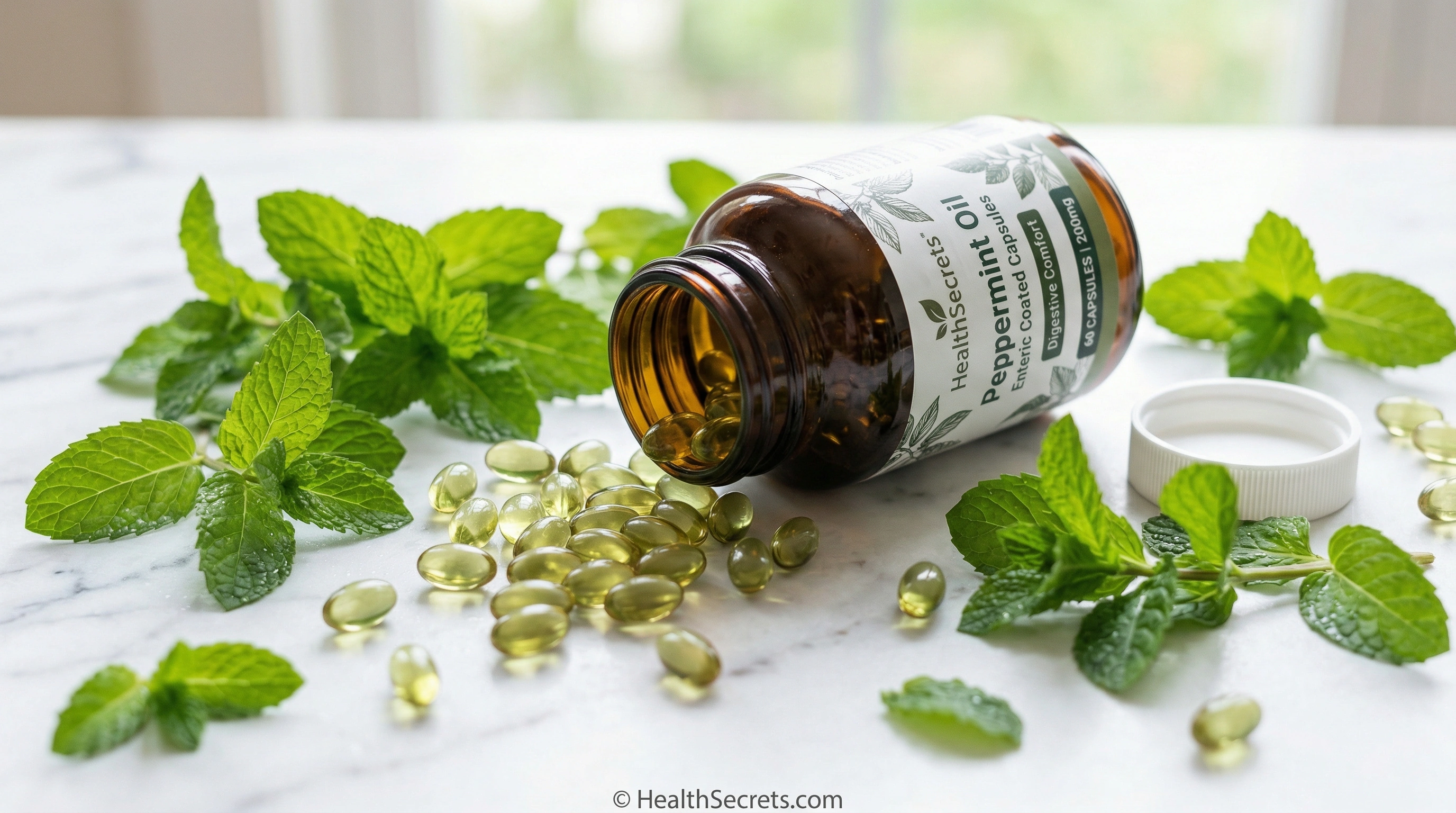
How Does Peppermint Oil Relieve Gas and Bloating Naturally?
Peppermint oil works by relaxing the smooth muscle lining your intestinal walls through calcium channel blockade, which reduces spasms, trapped gas, and abdominal pain. A 2014 meta-analysis by Khanna et al. found peppermint oil significantly superior to placebo for global IBS symptoms (RR 2.23), while the 2019 PERSUADE trial confirmed that small-intestinal-release peppermint oil significantly reduced abdominal pain and discomfort.
What Is the Correct Way to Take Peppermint Oil for Bloating?
Always use enteric-coated capsules — never liquid peppermint oil, which can cause heartburn by relaxing the lower esophageal sphincter. The clinically studied dose is 0.2–0.4 mL (180–225 mg) taken 2–3 times daily, 30–60 minutes before meals. IBgard, used in the PERSUADE study, uses a patented microsphere delivery system (SST) for targeted small-intestinal release.
Expect initial relief within a few days for acute symptoms, but allow 2–4 weeks for full therapeutic benefit. Peppermint oil is generally well tolerated, though some people experience a cool sensation in the chest or perianal area.
Can Digestive Enzymes Reduce Gas and Bloating After Meals?
Yes, supplemental digestive enzymes can significantly reduce post-meal gas and bloating by breaking down food components that would otherwise ferment in your colon. Multi-enzyme supplements containing amylase, lipase, protease, lactase, and alpha-galactosidase address the most common enzymatic deficiencies. Clinical trials show meaningful reductions in bloating, flatulence, and abdominal discomfort when enzymes are taken with meals.

Which Digestive Enzymes Should You Take for Gas and Bloating?
Choose a broad-spectrum enzyme supplement that covers multiple food types:
- Lactase — breaks down dairy sugar (essential if lactose intolerant)
- Alpha-galactosidase — breaks down raffinose and stachyose in beans and cruciferous vegetables
- Lipase — helps digest fats that slow gastric emptying
- Protease and amylase — support protein and starch digestion
Take enzymes at the beginning of each meal, not after. This ensures they mix with food in the stomach for maximum effectiveness. Start with the manufacturer's recommended dose and adjust based on meal size and composition.
How Do Probiotics Help Prevent Gas and Bloating Long-Term?
Probiotics reduce gas and bloating by restoring healthy microbial balance, reducing gas-producing pathogenic bacteria, strengthening the intestinal barrier, and modulating visceral sensitivity. The strain Bifidobacterium infantis 35624 specifically reduced abdominal bloating and distention in a landmark Gastroenterology study (2005), while the multi-strain formula VSL#3 improved bloating scores in IBS-D patients.
What Probiotic Strains and Doses Work Best for Bloating?
For targeted bloating relief, look for these clinically validated strains:
- Bifidobacterium infantis** 35624** — the most studied strain for bloating specifically
- Lactobacillus plantarum** 299v** — reduces flatulence and abdominal pain
- Multi-strain formulas (10+ strains) — provide broad-spectrum microbiome support
Aim for 10–20 billion CFU daily from a reputable manufacturer with third-party testing. Take probiotics on an empty stomach (morning or before bed) for best survival through stomach acid. Allow 4–8 weeks of consistent use before evaluating effectiveness, as microbiome rebalancing takes time.

IBgard Peppermint Oil Capsules
Best OverallIBgard Peppermint · Acute bloating, abdominal spasms, and IBS-related gas

NOW Foods Super Enzymes
Best Digestive EnzymeNOW Foods · Post-meal gas, bloating from hard-to-digest foods

Renew Life Ultimate Flora Extra Care 50 Billion
Best ProbioticRenew Life · Long-term gut microbiome rebalancing and bloating prevention
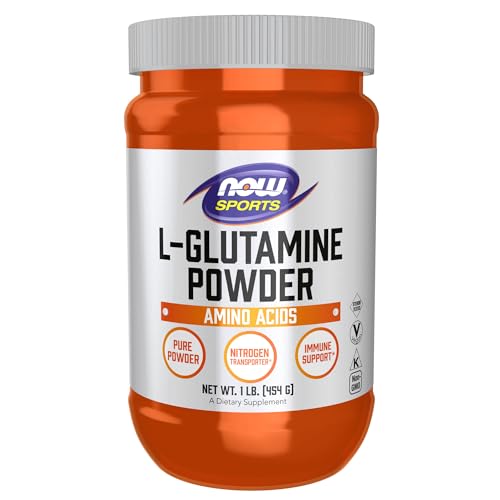
NOW Foods L-Glutamine Powder
Best for Gut RepairNOW Foods · Strengthening intestinal lining and supporting gut barrier function

Nature's Way Activated Charcoal 560mg
Best for Emergency ReliefNature's Way · Acute gas episodes and emergency bloating situations
Read the detailed review cards below before opening any retailer link
Top Recommended Products
IBgard Peppermint
IBgard Peppermint Oil Capsules
IBgard is the only peppermint oil product using patented SST microsphere technology studied in a major clinical trial (PERSUADE). Its targeted delivery to the small intestine maximizes efficacy while minimizing the heartburn risk associated with standard peppermint oil.
Pros
- + Clinically studied in PERSUADE trial
- + targeted small-intestinal release avoids heartburn
- + fast-acting relief within days
- + well tolerated
Cons
- - Higher price point than generic peppermint oil capsules
Why we included it: IBgard is the only peppermint oil product using patented SST microsphere technology studied in a major clinical trial (PERSUADE). Its targeted delivery to the small intestine maximizes efficacy while minimizing the heartburn risk associated with standard peppermint oil.
Retailer link opens on Amazon after the review details above
NOW Foods
NOW Foods Super Enzymes
NOW Super Enzymes provides the broadest enzyme coverage in a single capsule, addressing protein, fat, and carbohydrate digestion simultaneously. The inclusion of ox bile makes it especially helpful for those with sluggish bile production or gallbladder issues.
Pros
- + Comprehensive enzyme formula
- + includes ox bile for fat digestion
- + excellent value for 180-count
- + trusted NOW Foods quality
Cons
- - Contains ox bile (not suitable for vegetarians)
Why we included it: NOW Super Enzymes provides the broadest enzyme coverage in a single capsule, addressing protein, fat, and carbohydrate digestion simultaneously. The inclusion of ox bile makes it especially helpful for those with sluggish bile production or gallbladder issues.
Retailer link opens on Amazon after the review details above
Renew Life
Renew Life Ultimate Flora Extra Care 50 Billion
Renew Life provides a potent, diverse probiotic formula at a therapeutic dose. The 12-strain blend ensures broad-spectrum microbiome support, while delayed-release technology maximizes the number of live organisms reaching your intestines.
Pros
- + 12 diverse Lactobacillus and Bifidobacterium strains
- + high CFU count
- + delayed-release technology
- + shelf stable
Cons
- - Requires consistent daily use for 4–8 weeks to see full benefit
Why we included it: Renew Life provides a potent, diverse probiotic formula at a therapeutic dose. The 12-strain blend ensures broad-spectrum microbiome support, while delayed-release technology maximizes the number of live organisms reaching your intestines.
Retailer link opens on Amazon after the review details above
NOW Foods
NOW Foods L-Glutamine Powder
L-glutamine is the primary fuel source for enterocytes (intestinal lining cells). Supplementing supports gut barrier repair and may reduce the intestinal permeability that contributes to bloating and gas in many people.
Pros
- + Pure single-ingredient formula
- + versatile powder form mixes easily
- + excellent value per serving
- + supports intestinal barrier integrity
Cons
- - Unflavored taste may be unappealing to some users
Why we included it: L-glutamine is the primary fuel source for enterocytes (intestinal lining cells). Supplementing supports gut barrier repair and may reduce the intestinal permeability that contributes to bloating and gas in many people.
Retailer link opens on Amazon after the review details above
Nature's Way
Nature's Way Activated Charcoal 560mg
Activated charcoal is the go-to emergency remedy when gas strikes unexpectedly. Its massive surface area adsorbs intestinal gases quickly, providing relief within 30–60 minutes. Keep it on hand for occasional acute episodes.
Pros
- + Fast-acting for acute gas
- + affordable price
- + simple single ingredient
- + trusted brand
Cons
- - Must be taken 2 hours away from medications and other supplements
Why we included it: Activated charcoal is the go-to emergency remedy when gas strikes unexpectedly. Its massive surface area adsorbs intestinal gases quickly, providing relief within 30–60 minutes. Keep it on hand for occasional acute episodes.
Retailer link opens on Amazon after the review details above
Which Carminative Herbs Work Best for Gas and Bloating Relief?
Carminative herbs — plants that relieve intestinal gas — have centuries of traditional use now supported by clinical evidence. Fennel seed, ginger root, chamomile, and caraway are the most effective options. These herbs work by relaxing intestinal smooth muscle, stimulating digestive secretions, and promoting healthy gut motility. They can be consumed as teas, tinctures, or capsules.

How Should You Use Fennel, Ginger, and Chamomile for Digestive Relief?
- Fennel seed contains anethole, which relaxes GI smooth muscle. Brew 1–2 teaspoons of crushed seeds in hot water for 10 minutes, or chew whole seeds after meals. A clinical trial showed fennel oil capsules significantly reduced bloating severity compared to placebo.
- Ginger root stimulates gastric motility and has prokinetic effects that help move gas through your system. Use 1–2 grams of fresh ginger in tea or 250 mg of standardized extract before meals. Studies confirm ginger accelerates gastric emptying by up to 25%.
- Chamomile combines antispasmodic and anti-inflammatory properties. Drink 1–3 cups of chamomile tea daily between meals. It works particularly well for stress-related bloating due to its mild anxiolytic effects.
What Are the Best Daily Habits for Preventing Gas and Bloating?
The most effective daily habits include eating slowly and chewing thoroughly (20–30 chews per bite), avoiding carbonated beverages and chewing gum, taking a 10–15 minute walk after meals, managing stress through deep breathing or meditation, and staying well hydrated with still water. These behavioral changes often reduce bloating by 30–50% even without supplements.
- Eat mindfully — put your fork down between bites and avoid talking while chewing to reduce air swallowing
- Limit gas-producing combinations — avoid pairing beans with cruciferous vegetables in the same meal
- Cook gas-producing foods thoroughly — cooking breaks down some fermentable fibers
- Soak beans overnight — discard soaking water to remove up to 75% of gas-causing oligosaccharides
- Try warm lemon water — drink 15 minutes before meals to stimulate digestive secretions
- Wear loose clothing — tight waistbands increase intra-abdominal pressure and worsen bloating perception
What Safety Precautions Should You Take with Natural Gas and Bloating Remedies?
While natural remedies are generally safe, important precautions include avoiding peppermint oil if you have GERD or a hiatal hernia, starting probiotics at a low dose to prevent initial die-off bloating, checking for herb-drug interactions (especially ginger with blood thinners), and seeking immediate medical attention for bloating with severe pain, bloody stool, unexplained weight loss, or fever.

- Peppermint oil — contraindicated in GERD, hiatal hernia, and gallbladder disease. Avoid during pregnancy.
- Digestive enzymes — generally safe; rarely cause mild nausea. Those with pancreatic conditions should consult their doctor.
- Probiotics — may cause temporary increased gas during the first 3–5 days as your microbiome adjusts. Start with half the recommended dose.
- Ginger — may interact with warfarin and other anticoagulants. Limit to 4 grams daily.
- Activated charcoal — take 2 hours away from medications, as it can reduce their absorption.
Action Plan
What Is the Best Step-by-Step Action Plan for Natural Gas and Bloating Relief?
Follow the sequence below, work through each phase in order, and use the checklist as your practical implementation guide.
Start with a two-week trigger identification phase using a food diary and elimination diet, then layer in targeted supplements one at a time every 1–2 weeks. This phased approach lets you identify which remedies work best for your specific bloating pattern and avoids the confusion of changing everything simultaneously.
Phase 1: Foundation (Weeks 1–2)
- Start a detailed food-and-symptom diary
- Begin a low-FODMAP elimination diet
- Implement mindful eating practices (slow chewing, no distractions)
- Add daily post-meal walks (10–15 minutes)
Phase 2: Core Supplementation (Weeks 3–4)
- Introduce enteric-coated peppermint oil capsules (180–225 mg, 2–3x daily before meals)
- Add a broad-spectrum digestive enzyme with meals
- Begin daily fennel or ginger tea between meals
Phase 3: Gut Restoration (Weeks 5–8)
- Start a high-quality probiotic (10–20 billion CFU daily)
- Begin reintroducing eliminated foods one at a time
- Track and compare symptoms to your baseline diary
Phase 4: Maintenance (Ongoing)
- Continue supplements that showed benefit
- Maintain your personalized trigger-avoidance list
- Re-evaluate your protocol every 3 months

