
If you've ever searched for "natural mood boosters," you know the list is overwhelming. Dozens of supplements claim to lift your spirits, calm your anxiety, or help you feel more like yourself again. Some of those claims hold up under scientific scrutiny. Others? Not so much.
Here's what makes this complicated: mood isn't controlled by a single neurotransmitter or pathway. Serotonin, dopamine, norepinephrine, GABA, inflammation, stress hormones, gut bacteria, and nutrient deficiencies all play interconnected roles. That's why different supplements work through completely different mechanisms — and why no single pill fixes everything.
The good news is that several mood-boosting supplements now have genuine clinical evidence behind them. A 2016 meta-analysis found that St. John's wort extract was as effective as SSRIs for mild-to-moderate depression with significantly fewer side effects. Omega-3 fatty acids and SAMe have been recommended as first- or second-line treatments in clinical practice guidelines. Rhodiola rosea shows anti-depressive potency at doses of 340–680 mg per day. And vitamin D supplementation reduces depressive symptoms, particularly when deficiency is present.
But — and this is crucial — some of these same supplements come with serious safety concerns. St. John's wort interacts with dozens of medications including birth control and blood thinners. 5-HTP can trigger serotonin syndrome when combined with antidepressants. SAMe is contraindicated in bipolar disorder.
This guide cuts through the noise to give you an evidence-based ranking of the best mood-boosting supplements, what the research actually shows, how to use them safely, and who should (and shouldn't) try them.
For a broader view of mental wellness strategies, explore our Mental Wellness Complete Guide and our dedicated guides on Omega-3 for Brain Health and SAMe for Depression.
What Should You Look for in a Mood-Boosting Supplement?
Choosing a mood supplement isn't as simple as grabbing the first bottle you see. Quality, standardization, evidence level, and your specific mood profile all matter significantly. The wrong choice can be ineffective — or in some cases, dangerous.
How Do You Match a Supplement to Your Specific Mood Needs?
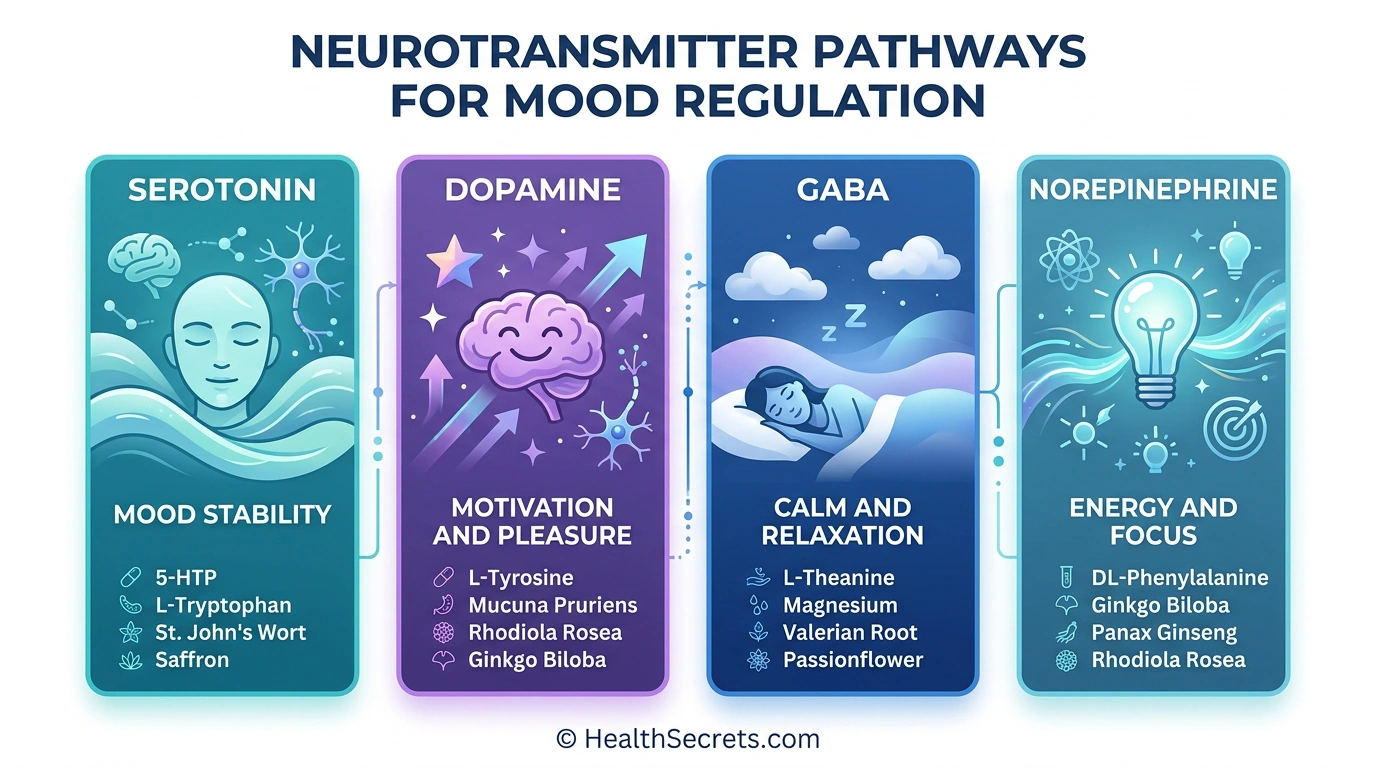
Different mood challenges point to different supplements because they involve different neurotransmitter pathways:
- Low mood with no energy or motivation → Consider SAMe, rhodiola, or vitamin D (targets dopamine, norepinephrine, and mitochondrial energy)
- Anxiety and restlessness → Consider magnesium glycinate, L-theanine, or ashwagandha (targets GABA and cortisol)
- Mild-to-moderate depression → Consider St. John's wort (if not on medications), omega-3s, or SAMe (targets serotonin, dopamine)
- Stress-related mood issues → Consider rhodiola + magnesium + B vitamins (targets HPA axis and stress response)
- Seasonal mood changes → Consider vitamin D (targets serotonin synthesis, corrects seasonal deficiency)
- Gut-related mood issues → Consider targeted probiotics (targets gut-brain axis)

What Quality Markers Should You Look For?
- Standardized extracts — St. John's wort standardized to 0.3% hypericin; rhodiola to 3% rosavins and 1% salidroside; saffron to safranal and crocin
- Third-party testing — USP, NSF, or ConsumerLab verification
- Active forms — Methylfolate over folic acid, methylcobalamin over cyanocobalamin, magnesium glycinate over oxide
- Evidence-based dosing — Match the dose to what was used in clinical trials, not marketing claims
- GMP certification — Ensures consistent manufacturing quality
What Should You Avoid?
- Proprietary blends that hide individual ingredient amounts
- Products making disease treatment claims ("cures depression")
- Mega-dose formulations far exceeding studied amounts
- Combinations of serotonergic ingredients (5-HTP + St. John's wort in the same product)
- Products without clear standardization information
How Did We Evaluate These Mood Supplements?
We ranked supplements using a systematic approach that prioritizes clinical evidence quality, safety profile, accessibility, and real-world practicality. Our evaluation isn't based on marketing claims — it's based on what the peer-reviewed research actually demonstrates.
What Criteria Did We Use?
1. Evidence Quality (40% weight)
- Number and quality of randomized controlled trials (RCTs)
- Meta-analyses and systematic reviews available
- Comparison studies against placebo and active comparators (SSRIs)
- Consistency of results across studies
2. Safety Profile (25% weight)
- Severity and frequency of side effects
- Drug interaction potential
- Contraindications
- Long-term safety data
3. Mechanism Clarity (15% weight)
- Well-understood mechanism of action
- Targets specific, validated mood pathways
- Dose-response relationship established
4. Accessibility (10% weight)
- Cost per month at therapeutic doses
- Availability and sourcing quality
- Ease of use and compliance
5. Breadth of Benefit (10% weight)
- Benefits beyond mood (cognitive, sleep, stress, energy)
- Complementary effects when combined with other supplements
Evidence Tier Rankings
| Tier | Supplements | Evidence Level | Key Consideration |
|---|---|---|---|
| Tier 1 (Strong) | St. John's Wort, Omega-3 (EPA), SAMe | Multiple RCTs, meta-analyses | Drug interactions / cost |
| Tier 2 (Moderate) | Vitamin D, Rhodiola, Saffron, Magnesium, B Vitamins | Several RCTs, consistent results | Best if deficient or stressed |
| Tier 3 (Emerging) | Probiotics, 5-HTP, Ashwagandha, L-Theanine, Curcumin | Limited or early-stage RCTs | Promising but needs more research |


Gaia Herbs St. John's Wort
Best for Mild-to-Moderate DepressionGaia Herbs · Adults with mild-to-moderate depression who are NOT taking any prescription medications
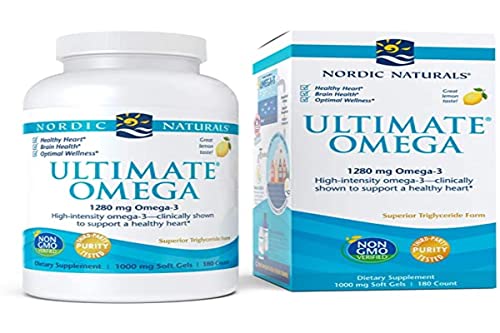
Nordic Naturals Ultimate Omega
Best Omega-3 for Mood SupportNordic Naturals · Individuals seeking anti-inflammatory mood support with well-researched omega-3 fatty acids

Doctor's Best SAMe 400mg
Best Fast-Acting Mood SupportDoctor's Best · Adults seeking rapid-onset mood support who do NOT have bipolar disorder
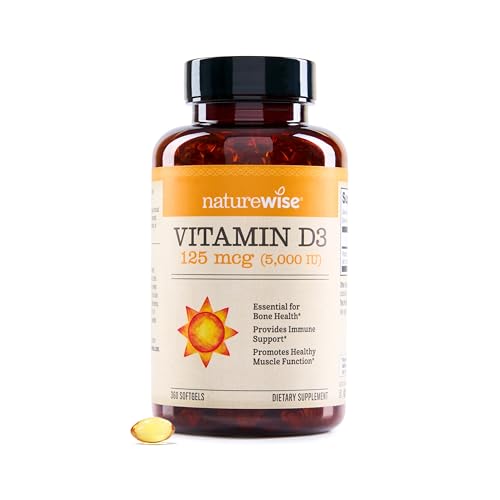
NatureWise Vitamin D3 5000 IU
Best Value Foundation SupplementNatureWise Vitamin · Anyone with vitamin D deficiency or seasonal mood changes — the safest starting point for mood supplementation

Gaia Herbs Rhodiola Rosea
Best Adaptogen for Stress-Related Mood IssuesGaia Herbs · Individuals whose low mood is driven by chronic stress, burnout, or fatigue
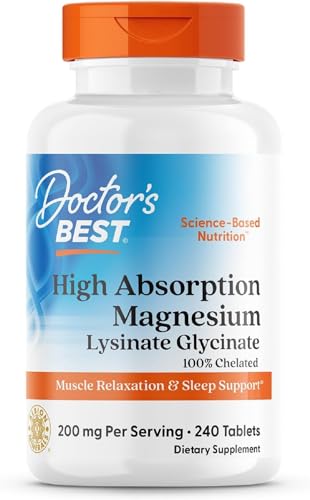
Doctor's Best Magnesium Glycinate 200mg
Best for Anxiety and Sleep-Related MoodDoctor's Best · Individuals with anxiety, poor sleep, or stress who need calming mood support

Jarrow Formulas Methyl B-12 & Methyl Folate
Best Methylated B-Vitamin for MoodJarrow Formulas · Individuals with B-vitamin deficiency, MTHFR mutations, or elevated homocysteine — foundational mood support

Nootropics Depot Affron Saffron Extract
Best Premium Mood OptionNootropics Depot · Individuals willing to invest in a premium supplement with impressive depression research and minimal side effects
Read the detailed review cards below before opening any retailer link
Top Recommended Products
Gaia Herbs
Gaia Herbs St. John's Wort
Gaia Herbs delivers a properly standardized St. John's wort extract matching the specifications used in clinical trials showing efficacy comparable to SSRIs. The liquid phyto-cap format supports bioavailability. However, this product requires a thorough medication interaction check with your pharmacist before use.
Pros
- + Properly standardized to 0.3% hypericin matching clinical trial specifications
- + liquid-filled capsule for better absorption
- + Gaia Herbs has strong quality control and transparency
- + evidence-based dosing that matches meta-analysis protocols
Cons
- - MAJOR drug interactions — cannot be combined with many common medications including birth control and antidepressants
Why we included it: Gaia Herbs delivers a properly standardized St. John's wort extract matching the specifications used in clinical trials showing efficacy comparable to SSRIs. The liquid phyto-cap format supports bioavailability. However, this product requires a thorough medication interaction check with your pharmacist before use.
Retailer link opens on Amazon after the review details above
Nordic Naturals
Nordic Naturals Ultimate Omega
Nordic Naturals is the gold standard in omega-3 quality. The USP verification and high EPA content align with clinical research showing EPA-rich formulas are more effective for mood than DHA-dominant ones. This is our top omega-3 pick for mood support.
Pros
- + USP verified for purity and potency
- + high EPA content critical for mood benefits
- + triglyceride form absorbs better than ethyl ester
- + no fishy aftertaste
- + sustainable sourcing
Cons
- - Need 2+ softgels daily to reach therapeutic EPA range for mood
- - higher price point than basic fish oils
Why we included it: Nordic Naturals is the gold standard in omega-3 quality. The USP verification and high EPA content align with clinical research showing EPA-rich formulas are more effective for mood than DHA-dominant ones. This is our top omega-3 pick for mood support.
Retailer link opens on Amazon after the review details above
Doctor's Best
Doctor's Best SAMe 400mg
SAMe is one of the few mood supplements with evidence for rapid onset — often within 1–2 weeks. Doctor's Best uses pharmaceutical-quality Soloesse SAMe with enteric coating to protect this notoriously unstable compound. Critical warning: Do NOT take if you have bipolar disorder.
Pros
- + Fast onset of action (1–2 weeks vs 4–6 for SSRIs)
- + enteric coating essential for SAMe stability
- + Soloesse branded ingredient
- + supports methylation and multiple neurotransmitters simultaneously
Cons
- - Expensive at therapeutic doses ($50–100+/month at 800–1
- - 600 mg)
- - CONTRAINDICATED in bipolar disorder — can trigger mania
- - sensitive to heat and moisture
Why we included it: SAMe is one of the few mood supplements with evidence for rapid onset — often within 1–2 weeks. Doctor's Best uses pharmaceutical-quality Soloesse SAMe with enteric coating to protect this notoriously unstable compound. Critical warning: Do NOT take if you have bipolar disorder.
Retailer link opens on Amazon after the review details above
NatureWise Vitamin
NatureWise Vitamin D3 5000 IU
Vitamin D is the single most cost-effective foundation supplement for mood. With 40–50% of US adults deficient — and deficiency strongly correlated with depression — this is where most people should start. NatureWise delivers a year's supply at an unbeatable price with clean ingredients.
Pros
- + Exceptional value (1-year supply under $18)
- + organic olive oil base enhances absorption
- + tiny softgels easy to swallow
- + well-tolerated with minimal side effects
- + addresses the most common nutritional deficiency linked to depression
Cons
- - May need lower dose (1
- - 000–2
- - 000 IU) if not deficient
- - should test vitamin D levels before high-dose supplementation
Why we included it: Vitamin D is the single most cost-effective foundation supplement for mood. With 40–50% of US adults deficient — and deficiency strongly correlated with depression — this is where most people should start. NatureWise delivers a year's supply at an unbeatable price with clean ingredients.
Retailer link opens on Amazon after the review details above
Gaia Herbs
Gaia Herbs Rhodiola Rosea
Rhodiola is uniquely suited for stress-driven mood issues because it addresses the root cause — HPA axis dysregulation and elevated cortisol — rather than just symptoms. Clinical trials show anti-depressive effects at 340–680 mg per day. Gaia Herbs delivers consistent quality with their liquid phyto-cap technology.
Pros
- + Concentrated extract from Gaia's proprietary process
- + liquid-filled capsules for enhanced absorption
- + well-tolerated with few side effects
- + targets stress-mood connection directly
- + works well combined with magnesium and B vitamins
Cons
- - Less standardization information on label compared to SHR-5 used in clinical trials
- - may be stimulating — avoid evening doses
Why we included it: Rhodiola is uniquely suited for stress-driven mood issues because it addresses the root cause — HPA axis dysregulation and elevated cortisol — rather than just symptoms. Clinical trials show anti-depressive effects at 340–680 mg per day. Gaia Herbs delivers consistent quality with their liquid phyto-cap technology.
Retailer link opens on Amazon after the review details above
Doctor's Best
Doctor's Best Magnesium Glycinate 200mg
Magnesium deficiency is associated with depression, anxiety, and insomnia — and most people don't get enough from diet alone. The glycinate form is the gold standard for mood and relaxation because it provides highly absorbable magnesium bonded to the calming amino acid glycine. Take in the evening for combined mood and sleep benefits.
Pros
- + Glycinate form is best absorbed and least likely to cause diarrhea
- + supports GABA function for natural calming effect
- + addresses widespread magnesium deficiency
- + excellent for evening use to promote sleep
- + works synergistically with rhodiola and B vitamins for mood
Cons
- - Requires multiple tablets per serving
- - tablets are large for some users
Why we included it: Magnesium deficiency is associated with depression, anxiety, and insomnia — and most people don't get enough from diet alone. The glycinate form is the gold standard for mood and relaxation because it provides highly absorbable magnesium bonded to the calming amino acid glycine. Take in the evening for combined mood and sleep benefits.
Retailer link opens on Amazon after the review details above
Jarrow Formulas
Jarrow Formulas Methyl B-12 & Methyl Folate
B12 and folate are critical methylation cofactors for synthesizing serotonin, dopamine, and norepinephrine. Deficiency directly impairs mood. Jarrow's methylated sublingual formula ensures absorption even in individuals with MTHFR gene variants that impair folate metabolism — a surprisingly common condition.
Pros
- + Methylated forms (methylcobalamin + methylfolate) are the bioactive versions usable by people with MTHFR mutations
- + sublingual delivery improves absorption
- + cherry-flavored lozenges are pleasant to take
- + highly affordable
- + B12 and folate are critical for neurotransmitter synthesis
Cons
- - Only covers B12 and folate — consider a full B-complex for broader support
Why we included it: B12 and folate are critical methylation cofactors for synthesizing serotonin, dopamine, and norepinephrine. Deficiency directly impairs mood. Jarrow's methylated sublingual formula ensures absorption even in individuals with MTHFR gene variants that impair folate metabolism — a surprisingly common condition.
Retailer link opens on Amazon after the review details above
Nootropics Depot
Nootropics Depot Affron Saffron Extract
Saffron extract is the dark horse of mood supplementation — less well-known but backed by impressive clinical evidence. Several RCTs show comparable efficacy to fluoxetine (Prozac) for mild-to-moderate depression. Nootropics Depot uses the patented affron extract standardized to lepticrosalides, matching research specifications.
Pros
- + Multiple clinical trials show efficacy comparable to SSRIs for mild-moderate depression
- + minimal side effects
- + patented standardized extract (affron) used in published research
- + dual mechanism increases serotonin and dopamine
- + unique option distinct from standard supplements
Cons
- - Higher cost than most mood supplements
- - limited long-term safety data compared to St. John's wort or omega-3
Why we included it: Saffron extract is the dark horse of mood supplementation — less well-known but backed by impressive clinical evidence. Several RCTs show comparable efficacy to fluoxetine (Prozac) for mild-to-moderate depression. Nootropics Depot uses the patented affron extract standardized to lepticrosalides, matching research specifications.
Retailer link opens on Amazon after the review details above
How Do You Use Mood-Boosting Supplements Effectively?
Even the best-researched supplement won't help if you take it wrong — wrong dose, wrong timing, wrong combination, or unrealistic expectations. Here's how to get the most out of mood supplementation based on what the clinical trials actually used.
What Are the Evidence-Based Doses for Each Supplement?
| Supplement | Daily Dose | Timing | With Food? | Onset |
|---|---|---|---|---|
| St. John's Wort | 900 mg (3×300 mg) | Morning, noon, evening | Yes | 4–6 weeks |
| Omega-3 (EPA) | 1,000–2,000 mg EPA | With meals | Yes (fat) | 4–8 weeks |
| SAMe | 800–1,600 mg | Morning, empty stomach | No | 1–2 weeks |
| Vitamin D3 | 1,000–4,000 IU | Morning | Yes (fat) | 8–12 weeks |
| Rhodiola | 200–600 mg | Morning, early PM | Either | 2–6 weeks |

- One supplement at a time — Start a single supplement and use it consistently for 4–6 weeks before evaluating results or adding another
- Start at the lower dose — Begin at the low end of the evidence-based range and increase if tolerated and needed
- Track your mood — Keep a simple daily rating (1–10) so you can objectively assess changes rather than relying on memory
- Respect the timeline — Most supplements take 4–8 weeks for meaningful effects (SAMe is the exception at 1–2 weeks)
- Don't stack blindly — Never combine serotonergic supplements (St. John's wort + 5-HTP + antidepressants = serotonin syndrome risk)
Which Combinations Work Well Together?
Evidence-supported combinations:
- Rhodiola + magnesium + B vitamins (studied together for stress and mood)
- Omega-3 + vitamin D (different mechanisms, complementary)
- L-theanine + magnesium (both promote GABA-mediated relaxation)
Dangerous combinations to NEVER use:
- St. John's wort + any antidepressant
- 5-HTP + any antidepressant
- 5-HTP + St. John's wort
- SAMe in bipolar disorder (without psychiatrist supervision)
Are There Safety Concerns with Mood-Boosting Supplements?
Yes — and some of them are serious enough to be life-threatening. While many mood supplements are generally well-tolerated, the safety profile varies dramatically between different options. Understanding drug interactions and contraindications is not optional.
Which Mood Supplements Have the Most Dangerous Interactions?
:::warning[St.
John's Wort — HIGH RISK for drug interactions:] St. John's wort induces CYP3A4 and P-glycoprotein enzymes, which metabolize a huge number of medications. It can reduce the effectiveness of: :::
- Birth control pills (risk of unintended pregnancy)
- Blood thinners (warfarin) (increased clotting risk)
- Immunosuppressants (cyclosporine, tacrolimus) (organ rejection risk)
- HIV medications (treatment failure)
- Chemotherapy drugs (reduced efficacy)
- Antidepressants (serotonin syndrome when combined)
- Digoxin, statins, alprazolam, and many others
If you take any prescription medication, consult your doctor before using St. John's wort.
5-HTP — MODERATE-HIGH RISK:
- Serotonin syndrome when combined with SSRIs, SNRIs, MAOIs, or St. John's wort
- Serotonin syndrome symptoms: agitation, confusion, rapid heart rate, high blood pressure, muscle rigidity — potentially life-threatening
SAMe — CONDITION-SPECIFIC RISK:
- Contraindicated in bipolar disorder — can trigger manic episodes
- May increase anxiety in some individuals at high doses


Who Should Avoid Mood Supplements Entirely?
- Severe depression or suicidal thoughts — Seek immediate professional help. Supplements are not appropriate.
- Bipolar disorder — SAMe and St. John's wort can trigger mania. Only supplement under psychiatrist supervision.
- Taking multiple medications — Drug interactions are too complex for self-management.
- Pregnant or breastfeeding — Insufficient safety data for most mood supplements.
- Children and adolescents — Most studies are in adults only.
What's the Hierarchy of Care?
Supplements are supportive tools, not primary treatments:
- Professional evaluation (rule out medical causes, get proper diagnosis)
- Therapy (CBT, other evidence-based approaches)
- Lifestyle (exercise, sleep, stress management, nutrition, social connection)
- Supplements (supportive, evidence-based options)
- Medication (if needed, under doctor supervision)
What's the Best Step-by-Step Plan to Start Mood-Boosting Supplements?
A careful, systematic approach reduces risk and helps you identify what actually works for you. Don't rush — mood supplementation is a process of informed experimentation, not a quick fix.
Phase 1: Assessment (Week 1)
- Schedule a check-up with your healthcare provider to rule out medical causes of low mood (thyroid, anemia, vitamin deficiencies)
- Get vitamin D and B12 levels tested — deficiencies are common and easily correctable
- Review all current medications for potential supplement interactions
- Establish a mood baseline: rate your mood daily (1–10) for one week before starting anything
- Identify your primary mood pattern: low energy, anxiety, flat mood, stress-driven, seasonal
Phase 2: Foundation Supplements (Weeks 2–6)
- Start with the safest, most broadly beneficial options first: vitamin D (if deficient), magnesium glycinate, or a methylated B-complex
- Take at evidence-based doses consistently for 4 weeks minimum
- Continue daily mood tracking
- Address lifestyle fundamentals simultaneously: 30 minutes of movement daily, 7–9 hours of sleep, stress management
Phase 3: Targeted Supplementation (Weeks 7–12)
- If foundation supplements aren't sufficient, add one targeted option based on your mood profile:
- Low mood → St. John's wort (if no medication interactions), omega-3 EPA, or SAMe
- Stress/anxiety → Rhodiola or ashwagandha
- Seasonal → Increase vitamin D dose (under medical guidance)
- Continue for 4–6 weeks before evaluating
- Monitor for side effects and keep your healthcare provider informed
Phase 4: Optimization (Week 13+)
- Evaluate what's working and discontinue anything that isn't helping
- Consider evidence-based combinations (rhodiola + magnesium + B vitamins)
- Re-test vitamin D levels to confirm optimal range (40–60 ng/mL)
- Integrate with ongoing therapy, lifestyle habits, and professional care
- Schedule periodic reviews with your healthcare provider

