If you've ever cancelled plans because your stomach decided to stage a revolt — or spent half a workday wondering whether the nearest bathroom was close enough — you already know that irritable bowel syndrome is more than just a mild inconvenience. IBS affects somewhere between 10 and 15 percent of the global population, and it hits quality of life harder than most people who don't have it would ever guess.
Here's the thing that took me a while to accept: IBS is a functional gastrointestinal disorder. That means there's nothing structurally wrong with your gut — the problem is how your brain and gut communicate (a dysfunction in what researchers call the gut-brain axis). And that actually turns out to be good news for natural remedies for IBS, because many of them target exactly that miscommunication.
The evidence is genuinely encouraging. Peppermint oil has been shown to be superior to placebo for global IBS symptom improvement across multiple meta-analyses, with a number needed to treat (NNT) of just 4 — meaning for every four people who try it, one person gets meaningful relief they wouldn't have gotten otherwise ([1]). Specific probiotic strains reduce pain and bloating with measurable effect sizes ([5]). And the low-FODMAP diet? Between 50 and 75 percent of patients experience significant improvement ([8]).
This guide covers each approach step-by-step, from the strongest evidence to the supporting strategies that round out a comprehensive IBS relief plan. For a broader perspective on digestive wellness, check out our complete guide to gut health.
If you're dealing with inflammation-related gut issues or exploring a broader detox and cleansing protocol, those guides pair well with what you'll learn here.
What Do You Need to Know Before Starting Natural Remedies for IBS?
Before trying any natural approach, you need a proper diagnosis and a basic understanding of what's actually happening in your gut. IBS is a clinical diagnosis based on the Rome IV criteria — recurrent abdominal pain at least one day per week for three months, associated with changes in stool frequency or form. It's not something you should self-diagnose.
IBS comes in four subtypes, and knowing yours matters because treatments differ significantly:
- IBS-D (diarrhea-predominant): Frequent loose stools, urgency, cramping. Responds well to peppermint oil, specific probiotics (L. plantarum 299v, S. boulardii), and the low-FODMAP diet.
- IBS-C (constipation-predominant): Infrequent, hard stools, straining, bloating. Responds to soluble fiber (psyllium), magnesium citrate, adequate hydration, and Bifidobacterium lactis.
- IBS-M (mixed): Alternates between diarrhea and constipation. Requires a flexible approach — peppermint oil, multi-strain probiotics, stress management.
- IBS-U (unclassified): Doesn't fit neatly into the other categories.
The underlying causes involve a complicated interplay of visceral hypersensitivity (your gut nerves overreact to normal stimulation), altered motility, gut microbiome imbalance, food sensitivities, stress, and sometimes post-infectious changes. About 30–80% of IBS patients — particularly those with IBS-D — also have small intestinal bacterial overgrowth (SIBO), which is worth knowing because it changes the treatment strategy.
Expected timeline: most natural interventions take 2–8 weeks to show results. This isn't a quick fix — it's a methodical process of layering evidence-based strategies. A food diary will be your most valuable tool throughout.

How Do You Use Peppermint Oil to Reduce IBS Pain and Bloating?
Enteric-coated peppermint oil capsules are the single most evidence-backed natural treatment for IBS symptoms, particularly abdominal pain. A 2022 meta-analysis of 10 randomized controlled trials (1,030 patients) found peppermint oil significantly superior to placebo for global IBS symptoms, with an NNT of just 4 ([1]).
The active compound, L-menthol, works as an antispasmodic — it relaxes the smooth muscle lining your intestines by blocking calcium channels. That directly reduces cramping, pain, and bloating. It also appears to reduce visceral hypersensitivity, meaning your gut nerves become less reactive to normal stretching and movement.
How should you take peppermint oil for IBS?
The dosing that consistently shows up in clinical trials is 180–200mg of enteric-coated peppermint oil, taken 2–3 times daily (totaling roughly 540–600mg per day). The enteric coating is non-negotiable — without it, the oil releases in your stomach and can cause heartburn, which sort of defeats the purpose.
Take capsules 30–60 minutes before meals for best results. Most people notice improvement within 2–4 weeks, though some respond faster. The PERSUADE trial — one of the largest peppermint oil studies to date — found significant improvements in abdominal pain, discomfort, and IBS severity with small-intestinal-release peppermint oil ([2]).
Peppermint oil works best for IBS-D and IBS-M. It's less effective for IBS-C because the antispasmodic effect can slow already-sluggish motility.
Who should avoid it: People with GERD or significant acid reflux (peppermint relaxes the lower esophageal sphincter), and anyone with a known allergy to mint. Side effects are generally mild — occasional heartburn even with enteric coating, and some people report a menthol sensation during bowel movements.

Which Probiotic Strains Actually Work for IBS?
Not all probiotics are created equal for IBS — and honestly, most of the generic blends you see on store shelves have zero evidence behind them for this specific condition. The research is strain-specific, and picking the wrong strain is the main reason people say "I tried probiotics and they didn't help."
A 2023 meta-analysis in Gastroenterology confirmed that some combinations of probiotics or specific strains show beneficial effects for global IBS symptoms, abdominal pain, and bloating — but certainty in the evidence remains low to very low for most ([6]). A 2026 strain-specific systematic review went further, identifying specific strains with demonstrated efficacy in meta-analyses of randomized placebo-controlled trials ([4]).
Here are the strains with the best evidence:
- Bifidobacterium longum (formerly B. infantis) 35624 — Reduces pain, bloating, and bowel dysfunction across IBS subtypes. Often considered the gold standard IBS probiotic.
- Lactiplantibacillus plantarum 299v (DSM 9843) — Reduces pain and bloating, particularly effective for IBS-D.
- Saccharomyces cerevisiae CNCM I-3856 — A yeast-based probiotic with demonstrated efficacy for IBS symptoms.
- Bacillus coagulans Unique IS2 (MTCC 5260) — Improving key IBS symptoms.
- Lactobacillus rhamnosus GG — Demonstrated efficacy in meta-analyses.
How should you take probiotics for IBS?
Start with a single well-researched strain at 10–20 billion CFU daily and give it a full 4–8 weeks before judging results. Some temporary gas or bloating during the first week is normal — your microbiome is adjusting. If you don't notice improvement after 8 weeks, switch to a different strain rather than increasing the dose.
Take probiotics with or just before a meal (the food buffers stomach acid and improves survival to the intestines). Store according to label instructions — some strains need refrigeration.
For IBS-D, start with B. longum 35624 or L. plantarum 299v. For IBS-C, try Bifidobacterium lactis strains. For IBS-M, a multi-strain formulation may work better ([7]).

How Do You Follow the Low-FODMAP Diet for IBS Relief?
The low-FODMAP diet is the most effective dietary intervention for IBS — full stop. Between 50 and 75 percent of patients on a low-FODMAP diet experience significant improvement, compared to 33–66 percent on standard IBS diets ([8]). Johns Hopkins reports symptom reduction in up to 86% of people when followed correctly (Johns Hopkins Medicine).
FODMAP stands for Fermentable Oligosaccharides, Disaccharides, Monosaccharides, And Polyols — short-chain carbohydrates that are poorly absorbed in the small intestine. When they reach the large intestine, gut bacteria ferment them, producing gas and drawing water into the bowel. In IBS patients with visceral hypersensitivity, this normal process gets amplified into serious pain, bloating, and altered bowel habits.
The diet has three phases — and this is important: it is NOT a permanent elimination diet.
Phase 1: Elimination (2–6 weeks)
Remove all high-FODMAP foods: wheat, onions, garlic, legumes, dairy (lactose), apples, pears, stone fruits, cauliflower, mushrooms, and artificial sweeteners (sorbitol, mannitol, xylitol). Replace with low-FODMAP alternatives like rice, quinoa, oats, garlic-infused oil (not actual garlic), lactose-free dairy, bananas, berries, citrus, carrots, zucchini, and potatoes.
Phase 2: Reintroduction (6–8 weeks)
Systematically test individual FODMAP groups one at a time to identify your specific triggers. Most people react to only 2–3 FODMAP groups, not all of them.
Phase 3: Personalization (long-term)
Eat normal amounts of well-tolerated FODMAPs and restrict only your specific triggers in the amounts that cause symptoms.
A 2021 meta-analysis confirmed the low-FODMAP diet significantly reduces global IBS symptoms and improves bowel habits, with particular effectiveness for IBS-D ([9]). Long-term restriction without reintroduction can reduce beneficial gut bacteria like Bifidobacteria, so supervised reintroduction is essential.
Work with a registered dietitian experienced in FODMAPs. The Monash University FODMAP app is the gold-standard resource for food lists. This diet is complex to implement correctly on your own.

How Does Stress Management Improve IBS Through the Gut-Brain Axis?
This step catches a lot of people off guard — but if you skip it, the supplements and diet changes will only get you so far. IBS is fundamentally a disorder of gut-brain communication, and stress doesn't just "make symptoms worse." It directly alters gut motility, increases visceral hypersensitivity, changes the microbiome composition, and triggers immune activation in the intestinal lining.
Gut-directed hypnotherapy is arguably the most impressive intervention on this entire list. A 2026 systematic review and meta-analysis found that gut-directed hypnotherapy significantly improves global IBS symptoms, with particular effectiveness for pain compared to standard interventions ([12]). Group-delivered formats showed robust effects. Earlier research found that the majority of patients show improvement, with benefits lasting years after treatment — even without ongoing sessions ([13]).
Here's how to incorporate stress management:
- Gut-directed hypnotherapy: 7–12 sessions with a trained therapist, or use validated self-guided programs (Nerva app is research-backed). The Canadian Association of Gastroenterology recommends it as a potential therapy for IBS.
- Cognitive behavioral therapy (CBT): Teaches you to identify and change thought patterns that amplify stress and symptom anxiety. Reduces IBS symptoms, anxiety, and depression simultaneously.
- Mindfulness meditation: 10–20 minutes daily. Reduces stress reactivity and improves gut-brain communication over time.
- Yoga: 30–60 minutes, 3–5 times weekly. Combines physical movement (improves motility) with stress reduction.
- Deep breathing exercises: 5–10 minutes daily. Diaphragmatic breathing directly activates the parasympathetic nervous system — your body's rest-and-digest mode.
The psychological component isn't a "bonus" — it's foundational. If your IBS has a strong stress component (and most cases do), this step alone can transform your symptoms.

What Supporting Natural Remedies Can You Add to Your IBS Protocol?
Once you've got the big three (peppermint oil, probiotics, low-FODMAP) and stress management in place, several additional remedies can fill in gaps. Think of these as supporting players — they won't carry the team alone, but they strengthen the overall protocol.
- Digestive enzymes help break down FODMAPs you might accidentally consume. Alpha-galactosidase specifically breaks down the oligosaccharides in beans and legumes — a Monash University study showed the full-dose enzyme significantly reduced overall symptoms and bloating in GOS-sensitive IBS patients ([15]). Lactase handles dairy lactose. Take enzymes with meals containing trigger foods.
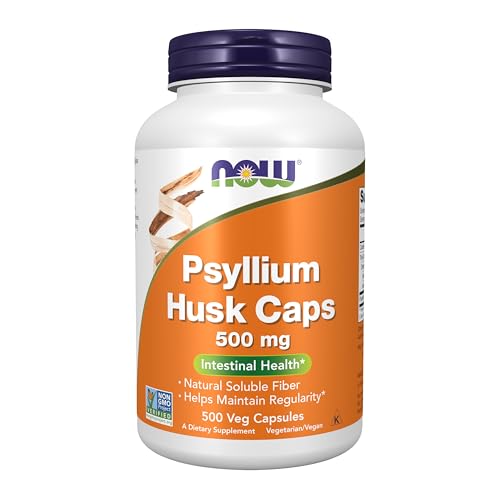
- Soluble fiber (psyllium husk) is particularly helpful for IBS-C. Start low — 5 grams daily — and increase gradually to 15–20 grams. Insoluble fiber (bran) may actually worsen symptoms, so stick to soluble sources. Always increase water intake alongside fiber.
- Iberogast (STW 5) is a herbal combination of nine plant extracts (including peppermint, chamomile, and caraway) with clinical trial evidence for reducing IBS symptoms. The standard dose is 20 drops three times daily. A 2024 comprehensive review identified it alongside peppermint oil as having the strongest evidence among botanical agents for IBS ([18]).
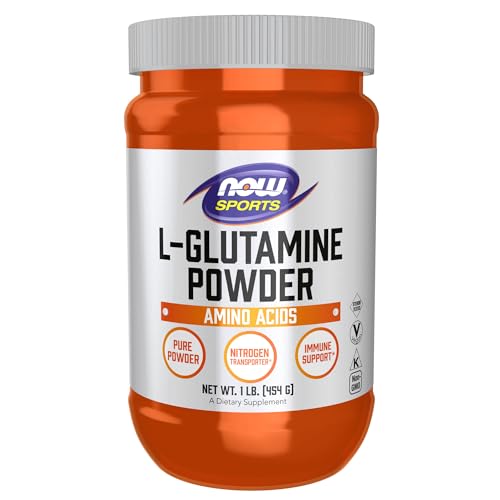
- L-glutamine supports intestinal barrier integrity — your gut lining's ability to keep things that should stay inside the intestine from leaking out. Research shows glutamine reduces intestinal permeability from various stressors ([16]). Typical dose: 5–10 grams daily.
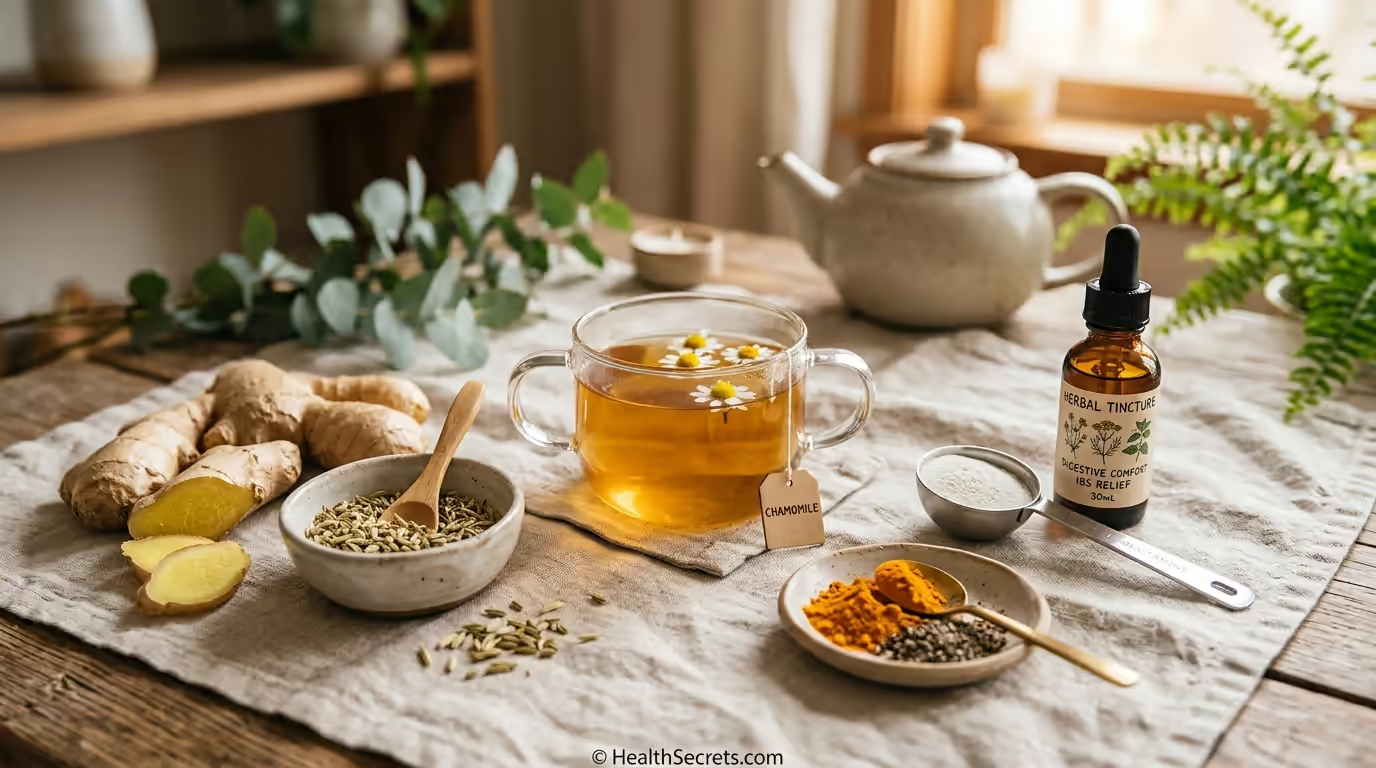
- Ginger (1–2 grams daily) acts as a prokinetic — it improves gut motility — and has anti-inflammatory and anti-nausea properties. Fennel tea (1–2 cups daily) is carminative, meaning it reduces gas. Chamomile tea (2–3 cups daily) offers anti-inflammatory and antispasmodic effects plus a calming influence on the nervous system.
How Do You Adjust Your Daily Lifestyle to Manage IBS Long-Term?
Lifestyle modifications form the foundation that makes everything else work better. These aren't glamorous, but skipping them is like building a house without a foundation — everything on top becomes unstable.
- Regular exercise: 30 minutes of moderate activity, 5 days per week (walking, cycling, swimming). Exercise improves gut motility, reduces stress hormones, and has direct anti-inflammatory effects. Don't overdo it — intense exercise can actually worsen IBS symptoms temporarily.
- Consistent meal timing: Eat at roughly the same times each day and don't skip meals. Irregular eating patterns trigger unpredictable gut contractions. Eat slowly and chew thoroughly — swallowing air contributes significantly to bloating and gas.
- Sleep hygiene: Aim for 7–9 hours nightly. Poor sleep worsens IBS symptoms the next day through increased visceral sensitivity and altered gut motility. Consistent bedtimes, cool room temperature, and limited screen time before bed all help.
- Hydration: 8–10 cups of water daily, especially important for IBS-C. Warm fluids (herbal tea, warm water with lemon) may be better tolerated than cold drinks.
- Food diary: Track what you eat, when you eat it, stress levels, sleep quality, and symptoms for at least 2–4 weeks. Patterns emerge that you'd never catch otherwise. Use an app or a simple notebook.
- Common triggers to limit: Caffeine (stimulates gut contractions), alcohol (irritates the gut lining), spicy foods, fatty or fried foods. But individual variation is huge — your food diary will reveal your specific triggers.
- Quit smoking if applicable — nicotine directly affects gut motility and worsens IBS symptoms.

Should You Get Tested for SIBO if Standard IBS Treatments Aren't Working?
If you've methodically worked through steps 1–6 for 8–12 weeks and your symptoms haven't meaningfully improved — particularly if you have IBS-D with prominent bloating and gas that worsens after eating — it's time to consider SIBO testing. Small intestinal bacterial overgrowth occurs when excessive bacteria colonize the small intestine, where bacterial counts should normally be low.
Research suggests SIBO is present in 30–80% of IBS patients, especially those with diarrhea-predominant symptoms. The symptoms overlap almost completely with IBS: bloating, gas, diarrhea, and abdominal pain, particularly after eating.
The standard test is a hydrogen/methane breath test — you consume a lactulose or glucose solution, then breathe into collection devices at intervals. Elevated hydrogen or methane levels indicate bacterial overgrowth.
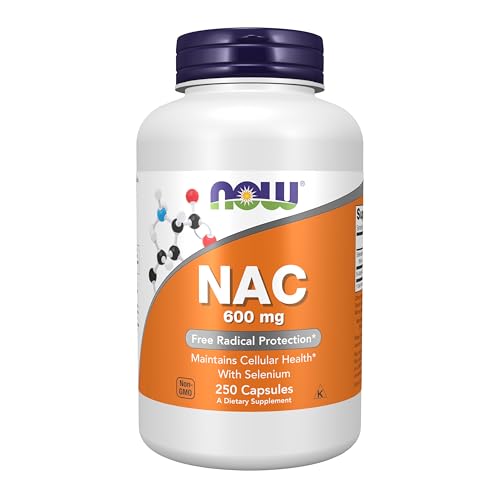
Treatment typically involves rifaximin (a gut-specific antibiotic) or herbal antimicrobials (berberine, oregano oil, neem extract) for 2–4 weeks, followed by probiotics to restore healthy gut flora. A 2024 study found that combining rifaximin with N-acetylcysteine (NAC) was superior to rifaximin alone for IBS-D, with significant improvements in bloating, diarrhea, and pain ([17]).
This step requires a gastroenterologist. Don't try to treat suspected SIBO on your own — the testing and treatment protocol needs medical supervision.
When Should You See a Doctor and What Medical Tests Should You Request?
IBS is a diagnosis of exclusion, which means other conditions must be ruled out before you start treating it as IBS. If you haven't seen a doctor for a formal diagnosis, that's actually Step 0 — it needs to happen before everything else.
Red flags requiring immediate medical evaluation:
- Blood in your stool
- Unintentional weight loss (more than 10 pounds)
- Persistent fever
- Severe abdominal pain
- New symptoms starting after age 50
- Family history of colon cancer, IBD, or celiac disease
- Anemia (low iron on blood work)
- Nocturnal symptoms (waking from sleep with diarrhea or pain)
These are NOT IBS. They suggest something else entirely and need urgent investigation.
Standard medical tests to discuss with your doctor:
- Blood tests: complete blood count (CBC), celiac panel, inflammatory markers (CRP, ESR), thyroid function
- Stool tests: fecal calprotectin (rules out inflammatory bowel disease), occult blood, parasites, C. difficile
- Colonoscopy: recommended if red flags are present, you're over 50, or there's relevant family history
- Breath tests: for SIBO and lactose intolerance
Also see your doctor if: Natural remedies aren't helping after 8–12 weeks of consistent use, symptoms are significantly worsening, you need a dietitian referral for the low-FODMAP diet, or you want to discuss whether conventional medications (antispasmodics, low-dose antidepressants for visceral hypersensitivity, or IBS-specific medications) might complement your natural approach.
What Are the Most Common Mistakes People Make When Treating IBS Naturally?
After reviewing the research and talking with gastroenterologists, these are the errors that sabotage people's progress most often. Avoiding them can save you months of frustration.
- Mistake 1: Trying everything at once. You can't tell what's working if you start five supplements, a new diet, and meditation all in the same week. Layer interventions one at a time, every 2–4 weeks.
- Mistake 2: Picking random probiotic blends. Generic "gut health" probiotics often contain strains with zero IBS evidence. Look for the specific strain designations — the numbers after the species name matter (e.g., 35624, 299v).
- Mistake 3: Staying on the low-FODMAP elimination phase permanently. This is the single most common FODMAP mistake. Long-term elimination reduces beneficial Bifidobacteria and narrows your nutrient intake unnecessarily. The reintroduction phase isn't optional.
- Mistake 4: Ignoring stress. Pouring money into supplements while ignoring the gut-brain axis is like mopping the floor with the faucet running. Address the psychological component — it's not "all in your head," but the brain-gut connection is very real.
- Mistake 5: Not keeping a food diary. Without tracking, you're guessing. IBS triggers are highly individual, and patterns that seem random often have clear triggers once you document them.
- Mistake 6: Giving up too quickly. Most natural interventions need 4–8 weeks of consistent use. Quitting after two weeks doesn't constitute a fair trial.
Is It Safe to Treat IBS With Natural Remedies? When Should You Stop?
Most natural IBS remedies have favorable safety profiles — especially compared to long-term pharmaceutical use. But "natural" doesn't automatically mean risk-free, and there are situations where you need to stop and get medical attention.
Peppermint oil is generally well-tolerated but should be avoided with significant GERD, and the enteric coating matters. Probiotics are safe for most people, though immunocompromised individuals should consult their doctor first. The low-FODMAP diet is safe short-term but can lead to nutritional deficiencies and reduced gut bacteria diversity if the elimination phase is continued indefinitely.
Stop and see a doctor immediately if you experience:
- Any red flag symptoms (blood in stool, unexplained weight loss, fever, severe pain)
- Symptoms dramatically worsening despite treatment
- New symptoms that don't fit your usual IBS pattern
- Signs of allergic reaction to any supplement
Drug interactions to be aware of:
- Peppermint oil may interact with cyclosporine and certain medications metabolized by the liver
- High-dose probiotics may not be appropriate alongside immunosuppressive medications
- St. John's wort (sometimes used for IBS-related depression) interacts with many medications
- Digestive enzymes are generally safe but check with your pharmacist if you take multiple medications
The combination approach — natural remedies plus medications when needed plus lifestyle modifications — is what works best for most people long-term. IBS is chronic, symptoms fluctuate, and having both natural and conventional tools available gives you the most flexibility.
What Should You Do First to Start Relieving Your IBS Symptoms Naturally?
The most effective approach is to layer interventions gradually over 8–12 weeks, starting with the highest-evidence strategies. Here's your phased action plan for getting started with natural remedies for IBS.
Phase 1 — Weeks 1–2: Foundation
- Get a formal IBS diagnosis from your doctor if you haven't already
- Identify your IBS subtype (IBS-D, IBS-C, or IBS-M)
- Start a detailed food and symptom diary
- Begin enteric-coated peppermint oil (180–200mg, 2–3 times daily before meals)
- Start daily deep breathing exercises (5–10 minutes)
Phase 2 — Weeks 3–4: Diet and Probiotics
- Consult a registered dietitian for low-FODMAP guidance
- Begin the FODMAP elimination phase
- Add a strain-specific probiotic matched to your subtype
- Establish regular meal times and eating habits
Phase 3 — Weeks 5–8: Expand and Optimize
- Add stress management (gut-directed hypnotherapy, CBT, yoga, or meditation)
- Incorporate supporting supplements as needed (fiber, digestive enzymes, L-glutamine)
- Implement exercise routine (30 minutes moderate activity, 5 days/week)
- Begin FODMAP reintroduction phase under dietitian guidance
Phase 4 — Weeks 9–12+: Assess and Adjust
- Review food diary patterns and adjust triggers
- If minimal improvement, discuss SIBO testing with your gastroenterologist
- Finalize your personalized FODMAP plan
- Consider whether conventional medications might complement your natural protocol