
Serotonin — the neurotransmitter most commonly associated with mood, sleep, and emotional well-being — can't be taken as a supplement. But its direct precursor, 5-HTP, can. Extracted from the seeds of the African plant Griffonia simplicifolia, 5-hydroxytryptophan crosses the blood-brain barrier and converts directly into serotonin, making it one of the most popular natural mood-support supplements on the market.
But popularity doesn't mean simplicity. 5-HTP carries real risks that many consumers don't understand, including a potentially life-threatening interaction with antidepressants called serotonin syndrome. Using 5-HTP safely requires understanding who it's appropriate for, who must absolutely avoid it, and how to dose it correctly.
In this guide, you'll learn exactly how 5-HTP works in the serotonin pathway, what the clinical evidence actually shows for depression, anxiety, fibromyalgia, and sleep, and how to use it safely if it's appropriate for your situation. We'll also cover the critical drug interactions you must know about before considering this supplement.
5-HTP must NEVER be combined with antidepressants (SSRIs, SNRIs, MAOIs, tricyclics), triptans, tramadol, or other serotonergic drugs. This combination can cause serotonin syndrome, a life-threatening medical emergency. If you are taking any antidepressant medication, do NOT use 5-HTP without explicit medical supervision.
📞
If you or someone you know is in crisis: Call or text 988 (Suicide & Crisis Lifeline) or text
HOME to 741741 (Crisis Text Line). If you are experiencing symptoms of serotonin syndrome (rapid heart rate, high fever, agitation, seizures), seek immediate emergency medical care.
- 5-HTP is a direct serotonin precursor that crosses the blood-brain barrier more efficiently than dietary tryptophan, converting to serotonin in one enzymatic step.
- Clinical evidence shows modest benefits for mild-to-moderate depression, fibromyalgia pain, and sleep quality, though studies are limited in size and quality.
- ⚠️ NEVER combine 5-HTP with SSRIs, SNRIs, MAOIs, triptans, tramadol, or St.
John's Wort — the risk of life-threatening serotonin syndrome is real.
- Start at 50 mg daily and increase gradually; most therapeutic doses range from 100–300 mg per day divided into 2–3 doses.
- Nausea is the most common side effect and can be minimized by taking 5-HTP with food and starting at a low dose.
- 5-HTP is NOT a substitute for professional mental health care — moderate-to-severe depression requires therapy and/or medication.
- Quality varies significantly between brands; choose third-party tested products from Griffonia simplicifolia seed extract.
- Long-term safety beyond 12 months is not well established; periodic reassessment with a healthcare provider is recommended.
What Is 5-HTP and How Does It Support Serotonin Production?
5-HTP (5-hydroxytryptophan) is a naturally occurring amino acid compound that serves as the direct metabolic precursor to serotonin (5-HT), one of the brain's most important neurotransmitters. Extracted from the seeds of Griffonia simplicifolia, a West African shrub, 5-HTP is available as an over-the-counter dietary supplement and converts to serotonin in a single enzymatic step, making it a more efficient pathway to boosting brain serotonin than dietary tryptophan.
The serotonin synthesis pathway works in three steps:
- Tryptophan (essential amino acid from food like turkey, eggs, cheese, nuts)
- → 5-HTP (via the enzyme tryptophan hydroxylase — the rate-limiting step)
- → Serotonin (via aromatic L-amino acid decarboxylase, or AADC)
5-HTP bypasses the rate-limiting first conversion, which is why it's more efficient at raising brain serotonin than supplementing with tryptophan directly. Unlike tryptophan, which competes with other amino acids for blood-brain barrier transport, 5-HTP crosses freely into the brain [1].
Serotonin's roles in the body:
- Mood regulation: Low serotonin is associated with depression, anxiety, and irritability
- Sleep: Serotonin is the precursor to melatonin, the sleep-timing hormone
- Appetite: Regulates hunger, satiety, and carbohydrate cravings
- Pain perception: Modulates pain signals (relevant to fibromyalgia)
- Gut function: ~90% of the body's serotonin is produced in the gut [2]
- Cognition and social behavior: Affects memory, learning, and social interactions
How Does 5-HTP Work in the Brain?
5-HTP works by providing the brain with a direct building block for serotonin synthesis. Once ingested, it crosses the blood-brain barrier and is converted to serotonin by the enzyme aromatic L-amino acid decarboxylase (AADC), the same enzyme that converts L-DOPA to dopamine. This mechanism is straightforward but has important implications for both efficacy and safety.

How Does 5-HTP Increase Serotonin Levels Compared to Tryptophan?
Tryptophan must first be converted to 5-HTP by tryptophan hydroxylase, the rate-limiting enzyme in serotonin synthesis. This step is influenced by stress, inflammation, insulin, and cortisol levels — meaning your body's conversion of tryptophan to 5-HTP can be impaired under common conditions. By supplementing with 5-HTP directly, you bypass this bottleneck entirely [3]. Studies show that oral 5-HTP reliably increases plasma and cerebrospinal fluid serotonin levels in humans.

Why Does 5-HTP Cross the Blood-Brain Barrier More Easily?
Tryptophan competes with five other large neutral amino acids (leucine, isoleucine, valine, tyrosine, phenylalanine) for transport across the blood-brain barrier via the LAT1 transporter. A high-protein meal actually reduces brain tryptophan uptake by flooding the transporter with competing amino acids. 5-HTP, by contrast, does not require the LAT1 transporter and crosses the blood-brain barrier freely, making its brain delivery far more predictable [1].
Does 5-HTP Affect Neurotransmitters Beyond Serotonin?
Because 5-HTP is converted by
AADC — the same enzyme that produces dopamine from
L-DOPA — chronically elevated 5-HTP may theoretically compete for enzyme availability and potentially reduce dopamine and norepinephrine synthesis over time [4]. This is a theoretical concern that has led some practitioners to recommend co-supplementation with L-tyrosine (a dopamine precursor) during long-term 5-HTP use, though clinical evidence for this practice is limited.
How Does Gut Serotonin Production Relate to 5-HTP Supplementation?
Approximately 90% of serotonin is produced in the gut by enterochromaffin cells, where it regulates motility, secretion, and the gut-brain axis [2]. Oral 5-HTP increases peripheral (gut) serotonin before reaching the brain, which explains why nausea and digestive upset are common side effects. This peripheral serotonin increase is also why the theoretical cardiac valve concern exists with long-term, high-dose use — peripheral serotonin can affect heart valve tissue.
How Well Is 5-HTP Absorbed When You Take It?
Oral 5-HTP has approximately 70% bioavailability, which is remarkably high for an oral supplement and significantly better than tryptophan's variable absorption. Peak plasma levels occur within 1–2 hours after ingestion, with a half-life of roughly 2–7 hours depending on the individual. This relatively short half-life is why divided dosing (2–3 times daily) is often recommended for mood support.

Absorption is relatively consistent whether taken with or without food, though taking 5-HTP with a small meal significantly reduces the nausea that many users experience [5]. The AADC enzyme that converts 5-HTP to serotonin is present both peripherally (gut, liver) and centrally (brain), meaning some conversion happens before the 5-HTP reaches the brain.
Form comparison:
- Standard capsules (immediate release): Most studied form; peak in 1–2 hours; best for most users
- Time-release tablets: Slower, sustained delivery over several hours; may reduce GI side effects; less studied
- Enteric-coated tablets: Designed to bypass stomach acid; may reduce nausea further
- Capsules with B6: Vitamin B6 (as P5P) is the cofactor AADC needs to convert 5-HTP to serotonin; inclusion is theoretically beneficial
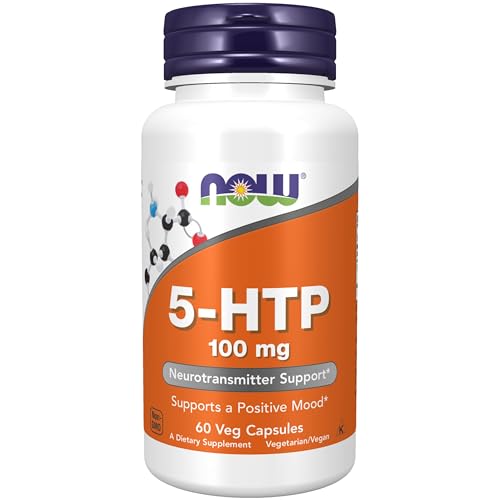
NOW Foods 5-HTP 100 mg
Best Overall ValueNOW Foods · Budget-conscious users who want reliable quality from a trusted brand
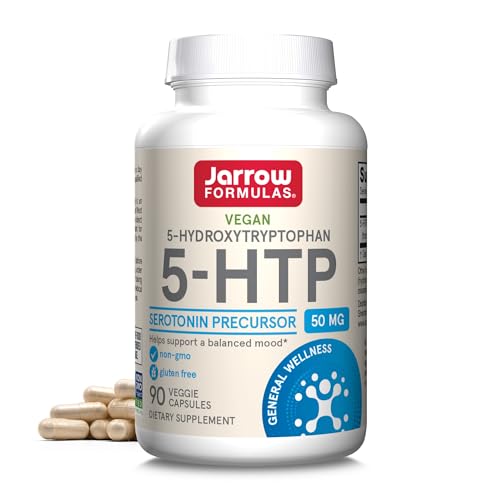
Jarrow Formulas 5-HTP 50 mg
Best for Starting LowJarrow Formulas · People who want to start at the lowest possible dose and titrate carefully

Thorne 5-Hydroxytryptophan
Best Practitioner GradeThorne 5-Hydroxytryptophan · People who want pharmaceutical-quality 5-HTP with the B6 cofactor included

Pure Encapsulations 5-HTP 100 mg
Best for Sensitive UsersPure Encapsulations · People with allergies, sensitivities, or who need a hypoallergenic formula

Doctor's Best 5-HTP 100 mg
Best Value for Larger SupplyDoctor's Best · Long-term users who want quality at scale
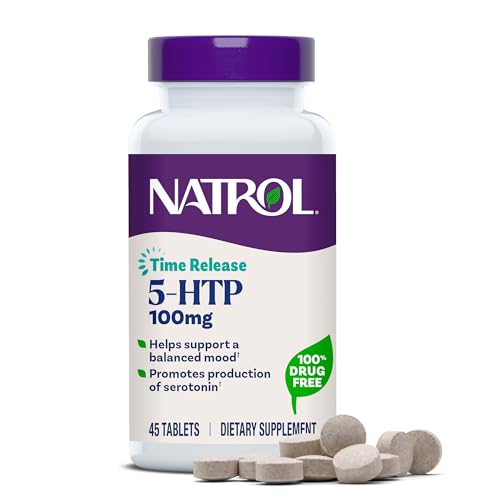
Natrol 5-HTP 100 mg Time Release
Best Time-Release FormulaNatrol 5-HTP · People who experience GI side effects from immediate-release 5-HTP

Nature's Way 5-HTP
Best Budget Option with B6Nature's Way · Budget-conscious users who want 5-HTP with the B6 and C cofactors included
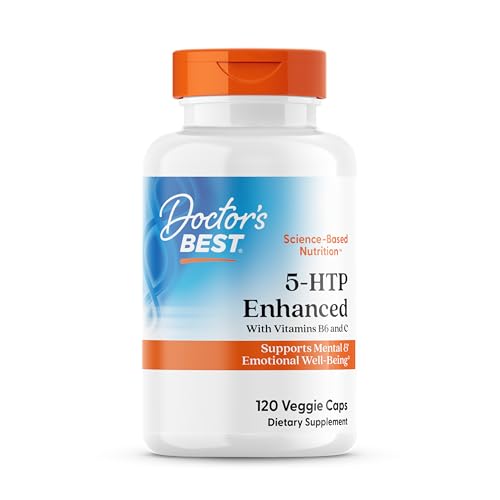
Doctor's Best 5-HTP Enhanced with Vitamins B6 & C
Best Enhanced FormulaDoctor's Best · Users who want 5-HTP with both conversion cofactors in one product
Read the detailed review cards below before opening any retailer link
Top Recommended Products
NOW Foods
NOW Foods 5-HTP 100 mg
NOW Foods is one of the most trusted supplement brands with rigorous quality control, and this product delivers pure 5-HTP at a competitive price point.
Fordele
- + Affordable
- + well-established brand
- + GMP certified
- + clean formula with no unnecessary additives
- + widely available
Ulemper
- - No added B6 cofactor
- - not USP verified
- - 100 mg may be too high for initial dosing
Hvorfor vi har inkluderet den: NOW Foods is one of the most trusted supplement brands with rigorous quality control, and this product delivers pure 5-HTP at a competitive price point.
Forhandlerlink åbner på Amazon efter anmeldelsesdetaljerne ovenfor
Jarrow Formulas
Jarrow Formulas 5-HTP 50 mg
The 50 mg dose is ideal for the "start low, go slow" approach, and Jarrow's HPLC verification for Peak X contamination provides an extra safety layer.
Fordele
- + Low 50 mg dose allows precise titration
- + Peak X-free verified
- + 90-count supply
- + affordable
- + trusted brand
Ulemper
- - May need multiple capsules for therapeutic dose
- - no added B6
Hvorfor vi har inkluderet den: The 50 mg dose is ideal for the "start low, go slow" approach, and Jarrow's HPLC verification for Peak X contamination provides an extra safety layer.
Forhandlerlink åbner på Amazon efter anmeldelsesdetaljerne ovenfor
Thorne 5-Hydroxytryptophan
Thorne 5-Hydroxytryptophan
Thorne's inclusion of pyridoxal 5'-phosphate (the active B6 form) is scientifically sound — B6 is the necessary cofactor for AADC, the enzyme that converts 5-HTP to serotonin.
Fordele
- + Includes active form of B6 (P5P)
- + the essential cofactor for converting 5-HTP to serotonin
- + NSF certified
- + Thorne is trusted by healthcare practitioners
Ulemper
- - Premium price
- - 50 mg dose means more capsules needed at higher doses
Hvorfor vi har inkluderet den: Thorne's inclusion of pyridoxal 5'-phosphate (the active B6 form) is scientifically sound — B6 is the necessary cofactor for AADC, the enzyme that converts 5-HTP to serotonin.
Forhandlerlink åbner på Amazon efter anmeldelsesdetaljerne ovenfor
Pure Encapsulations
Pure Encapsulations 5-HTP 100 mg
Pure Encapsulations sets the standard for clean, allergen-free supplements, making this the best choice for people with multiple sensitivities.
Fordele
- + Hypoallergenic
- + no fillers
- + artificial colors
- + or common allergens
- + trusted by integrative practitioners
- + clean formulation
Ulemper
- - Highest price point
- - no added B6
- - 60-count only
Hvorfor vi har inkluderet den: Pure Encapsulations sets the standard for clean, allergen-free supplements, making this the best choice for people with multiple sensitivities.
Forhandlerlink åbner på Amazon efter anmeldelsesdetaljerne ovenfor
Doctor's Best
Doctor's Best 5-HTP 100 mg
Doctor's Best consistently delivers good quality at accessible prices, and the 180-count option is ideal for users on an established dose who want to buy in bulk.
Fordele
- + Excellent price-to-quality ratio
- + clean formula
- + multiple size options
- + well-reviewed
Ulemper
- - No added B6
- - not third-party verified by USP/NSF
Hvorfor vi har inkluderet den: Doctor's Best consistently delivers good quality at accessible prices, and the 180-count option is ideal for users on an established dose who want to buy in bulk.
Forhandlerlink åbner på Amazon efter anmeldelsesdetaljerne ovenfor
Natrol 5-HTP
Natrol 5-HTP 100 mg Time Release
The time-release format is the most practical solution for people who experience nausea with standard 5-HTP capsules.
Fordele
- + Controlled-release delivery may reduce nausea
- + good value
Ulemper
- - Time-release format is less studied than immediate release
- - tablet form
- - contains calcium as excipient
Hvorfor vi har inkluderet den: The time-release format is the most practical solution for people who experience nausea with standard 5-HTP capsules.
Forhandlerlink åbner på Amazon efter anmeldelsesdetaljerne ovenfor
Nature's Way
Nature's Way 5-HTP
The combination of 5-HTP with its conversion cofactors (B6 and C) at an accessible price makes this a smart entry-level choice.
Fordele
- + Includes vitamins B6 and C (serotonin cofactors)
- + enteric coating reduces stomach upset
- + affordable
Ulemper
- - Small 30-count bottle
- - enteric coating means slower absorption
- - 50 mg per tablet requires 2 for standard dose
Hvorfor vi har inkluderet den: The combination of 5-HTP with its conversion cofactors (B6 and C) at an accessible price makes this a smart entry-level choice.
Forhandlerlink åbner på Amazon efter anmeldelsesdetaljerne ovenfor
Doctor's Best
Doctor's Best 5-HTP Enhanced with Vitamins B6 & C
Combining 5-HTP with both vitamins B6 and C in a single capsule provides the complete cofactor support for serotonin conversion at a reasonable price.
Fordele
- + Includes both B6 and C cofactors
- + 120-count supply
- + good value
- + clean formula
Ulemper
- - Not USP/NSF verified
- - B6 form may be pyridoxine (not the active P5P)
Hvorfor vi har inkluderet den: Combining 5-HTP with both vitamins B6 and C in a single capsule provides the complete cofactor support for serotonin conversion at a reasonable price.
Forhandlerlink åbner på Amazon efter anmeldelsesdetaljerne ovenfor
How Much 5-HTP Should You Take?
For most adults, 100–300 mg per day in divided doses is the therapeutic range for mood support, with a starting dose of 50 mg once daily to assess tolerance. The key principle is "start low, go slow" — increasing by 50 mg every 3–7 days until you reach the minimum effective dose. Most clinical trials showing benefit used doses of 150–300 mg daily.
| Condition | Starting Dose | Target Dose | Maximum | Timing |
|---|---|---|---|---|
| Depression/Anxiety | 50 mg/day | 100–300 mg/day | 300 mg/day | Divided 2–3x daily with meals |
| Fibromyalgia | 100 mg/day | 300–400 mg/day | 400 mg/day | Divided 3x daily with meals |
| Insomnia | 50 mg | 100–300 mg | 300 mg | 30–60 min before bed |
| Appetite control | 50 mg | 250–300 mg/day | 300 mg/day | 30 min before meals |
| Migraine prevention | 100 mg/day | 300–600 mg/day | 600 mg/day | Divided 2–3x daily |
| Timeline for effects: |
- Initial effects: 1–2 weeks (some notice changes in sleep and appetite sooner)
- Full mood effects: 4–6 weeks (similar timeline to pharmaceutical antidepressants)
- If no improvement after 6 weeks: Discontinue and reassess with a healthcare provider
Important dosing notes:
- Do NOT exceed 400 mg/day without medical supervision
- Take with food to reduce nausea
- If using for sleep, take the full dose 30–60 minutes before bed
- For mood, divide doses throughout the day for more stable serotonin levels
Is 5-HTP Safe and What Are the Risks?
5-HTP is generally well-tolerated at standard doses (50–300 mg/day) for short-to-medium-term use in healthy adults who are NOT taking serotonergic medications. However, it carries significant drug interaction risks that make safety education essential. The most dangerous risk is serotonin syndrome when combined with medications that also increase serotonin.

Serotonin syndrome occurs when serotonin levels become dangerously high, typically from combining multiple serotonergic agents. Symptoms range from mild (shivering, diarrhea, restlessness) to severe (high fever, seizures, irregular heartbeat, loss of consciousness) and can be fatal if untreated [7].
NEVER combine 5-HTP with:
- SSRIs: Prozac, Zoloft, Lexapro, Celexa, Paxil
- SNRIs: Effexor, Cymbalta, Pristiq
- MAOIs: Nardil, Parnate, Marplan (ESPECIALLY DANGEROUS)
- Tricyclics: Elavil, Tofranil
- Triptans: Imitrex, Maxalt (migraine medications)
- Tramadol: Pain medication with serotonergic activity
- Dextromethorphan (DXM): Common cough suppressant
- St. John's Wort and SAM-e (other serotonergic supplements)
- Carbidopa: Parkinson's medication (dramatically increases 5-HTP levels)
If you are currently taking any antidepressant, you must wait 2–5 weeks after discontinuation (depending on the drug's half-life) before starting 5-HTP. Consult your prescribing doctor for specific washout guidance.
Common side effects (dose-dependent):
- Nausea (most common — take with food to reduce)
- Digestive upset, diarrhea, stomach pain
- Drowsiness (especially at higher doses)
- Headache (usually mild and transient)
- Vivid dreams
Serious concerns:
- Eosinophilia-Myalgia Syndrome (EMS): A rare but serious condition historically linked to contaminated tryptophan supplements in the 1980s. A few cases have been reported with 5-HTP, possibly related to contaminants rather than the compound itself. Third-party tested, "Peak X"-free products are essential [8].
- Cardiac valve effects: Peripheral serotonin can theoretically affect heart valve tissue with long-term, high-dose use. No clear evidence links standard 5-HTP doses to valve problems, but it supports using the lowest effective dose.
Who should NOT use 5-HTP:
- Anyone taking antidepressants or serotonergic medications
- Pregnant or breastfeeding individuals
- People with carcinoid syndrome
- Children (not studied, not recommended)
- Those scheduled for surgery within 2 weeks (anesthesia interactions)
Who should use extreme caution (medical supervision required):
- Bipolar disorder (may trigger mania)
- Severe depression (requires professional treatment, not self-supplementation)
- Liver or kidney disease
- Anyone taking ANY medications (consult doctor first)

What Can 5-HTP Actually Do for Your Mood?
5-HTP offers modest, evidence-supported benefits for mild-to-moderate depression, fibromyalgia, and sleep — but it is not a cure for clinical depression and should never replace professional mental health care. Setting realistic expectations is critical for safe and effective use.

What the evidence shows:
- Depression (modest evidence): A 2019 systematic review and meta-analysis of 13 studies found that 5-HTP reduced depression symptoms compared to placebo, though study quality was variable and most trials were small [9]. A 2026 RCT in older adults found 5-HTP supplementation improved depression symptoms alongside cognitive function [10]. Overall, evidence suggests benefit for mild-to-moderate symptoms.
- Fibromyalgia (positive evidence): A double-blind, placebo-controlled trial using 300 mg/day found significant improvements in pain, stiffness, anxiety, and fatigue in fibromyalgia patients [11]. This remains one of 5-HTP's best-supported indications.
- Sleep (emerging evidence): A 2024 randomized controlled trial found that 12 weeks of 5-HTP supplementation improved sleep quality and gut microbiota composition in older adults, with the most benefit in poor sleepers [12]. Serotonin is the direct precursor to melatonin, providing a logical mechanism.
- Anxiety (limited evidence): Fewer studies have examined 5-HTP specifically for anxiety, though some evidence from panic disorder and social anxiety studies shows modest benefit [13]. Serotonin's well-established role in anxiety regulation provides biological plausibility.
- Appetite and weight (some evidence): Serotonin regulates satiety signals, and some studies show 5-HTP may reduce carbohydrate cravings and caloric intake. Effects are modest and not a substitute for dietary and behavioral changes.
When 5-HTP is NOT appropriate:
- Severe or treatment-resistant depression
- Depression accompanied by suicidal ideation (seek immediate professional help)
- When already taking antidepressants
- Bipolar disorder
- As a standalone treatment for anxiety disorders requiring professional care
The bottom line: 5-HTP is a reasonable complementary option for people with mild-to-moderate mood symptoms who are NOT on antidepressants and who have consulted a healthcare provider. It works best as part of a comprehensive approach including therapy, exercise, nutrition, and stress management.
What Should You Do First Before Trying 5-HTP?
Before starting 5-HTP, you need to assess whether it's appropriate for your situation, rule out contraindications, and establish a safe dosing protocol. This systematic approach maximizes benefit while minimizing risk — particularly the risk of serotonin syndrome.
Phase 1: Assessment and Safety Check
- Honestly evaluate your symptom severity (mild-to-moderate → may try 5-HTP; severe → seek professional help)
- Confirm you are NOT taking any antidepressants, triptans, tramadol, or other serotonergic drugs
- Consult your healthcare provider, especially if you take any medications
- Rule out medical causes of mood changes (thyroid, vitamin D deficiency, anemia)
- Review the contraindications list above
Phase 2: Foundation — Lifestyle First
- Get 10–30 minutes of daily sunlight (supports natural serotonin production)
- Exercise 30–60 minutes most days (one of the strongest evidence-based mood boosters)
- Prioritize 7–9 hours of quality sleep
- Eat tryptophan-rich foods with complex carbohydrates
- Address chronic stress through meditation, deep breathing, or therapy
Phase 3: 5-HTP Trial (If Appropriate)
- Choose a third-party tested, Peak X-free product from a reputable brand
- Start at 50 mg once daily with food
- Increase by 50 mg every 3–7 days as tolerated
- Target 100–300 mg/day in divided doses (or single dose before bed for sleep)
- Track mood, sleep, appetite, and side effects daily
Phase 4: Evaluate and Adjust
- Give the supplement 4–6 weeks to assess full effects
- If helpful, continue at the minimum effective dose
- If not helpful after 6 weeks, discontinue
- If symptoms worsen at any point, stop immediately and consult a provider
- Reassess need periodically — 5-HTP is not meant for indefinite unsupervised use

