
If you're living with an autoimmune condition, you already know that inflammation isn't just an abstract concept — it's something you feel every single day. The fatigue that won't lift. The joint pain that flares without warning. The brain fog that makes simple tasks feel impossible.
Here's what makes autoimmune disease so frustrating: your immune system — the very thing designed to protect you — is the source of the problem. It's attacking your own tissues, creating a cycle of chronic inflammation that can affect virtually every organ in your body.
But here's the good news. Emerging research shows that what you eat, how you manage stress, and specific supplements can meaningfully reduce autoimmune inflammation when used alongside conventional treatment. We're not talking about replacing your medications. We're talking about giving your body every possible advantage.
For more on managing inflammation naturally, see our guides on chronic inflammation, anti-inflammatory diet, and gut health fundamentals.
What Is Autoimmune Disease and How Does It Drive Chronic Inflammation?
Autoimmune disease occurs when the immune system loses its ability to distinguish between foreign invaders and the body's own tissues, launching inflammatory attacks against healthy cells. This affects over 50 million Americans across more than 80 distinct conditions — from rheumatoid arthritis and lupus to Hashimoto's thyroiditis and Crohn's disease — with women affected at a 3:1 ratio compared to men.
The underlying mechanism is called central sensitization. Your immune cells — particularly T-cells and B-cells — begin producing antibodies that target your own organs, joints, nerves, or skin. This creates a self-perpetuating cycle of inflammation that can be difficult to break.
Some of the most common autoimmune conditions include:
- Rheumatoid arthritis (RA): Attacks joints, causing pain, swelling, and stiffness
- Systemic lupus erythematosus (SLE): Affects multiple organs including skin, joints, and kidneys
- Multiple sclerosis (MS): Damages the myelin sheath protecting nerves
- Hashimoto's thyroiditis: Destroys thyroid tissue, causing hypothyroidism
- Inflammatory bowel disease (IBD): Crohn's and ulcerative colitis attack the digestive tract
- Psoriasis: Triggers rapid skin cell turnover and inflammation
- Celiac disease: Gluten triggers intestinal damage
Research published in Nature Reviews Immunology confirms that inflammatory processes play a central role in autoimmune responses, and anti-inflammatory strategies represent an important therapeutic avenue ([1]).
What Causes Autoimmune Disease and Inflammation?
Autoimmune disease results from a complex interplay of genetic susceptibility, environmental triggers, and immune system dysregulation. While HLA genes create a predisposition, it typically takes one or more environmental triggers — infections, chronic stress, toxin exposure, or gut dysbiosis — to initiate the autoimmune cascade. No single factor is responsible.
What Role Do Genetics Play in Autoimmune Disease?
Human leukocyte antigen (HLA) genes influence how the immune system recognizes self versus non-self. Certain HLA variants increase risk, but genetics alone don't cause autoimmune disease — they load the gun, while environment pulls the trigger.
How Do Environmental Triggers Activate Autoimmunity?
Several environmental factors can trigger autoimmune activation:
- Infections: Epstein-Barr virus, streptococcus, and other pathogens can initiate molecular mimicry — where microbial proteins resemble self-antigens, causing cross-reactive immune attacks. A 2026 Yale study showed how the gut bacterium Enterococcus gallinarum can migrate outside the GI tract and trigger autoimmune responses ([4])
- Chronic stress: Sustained cortisol elevation disrupts immune regulation
- Toxin exposure: Heavy metals, pesticides, and plastics (BPA) can dysregulate immunity
- Gut dysbiosis: Imbalanced microbiome composition compromises immune tolerance
What Is the Gut-Immune Connection in Autoimmune Disease?
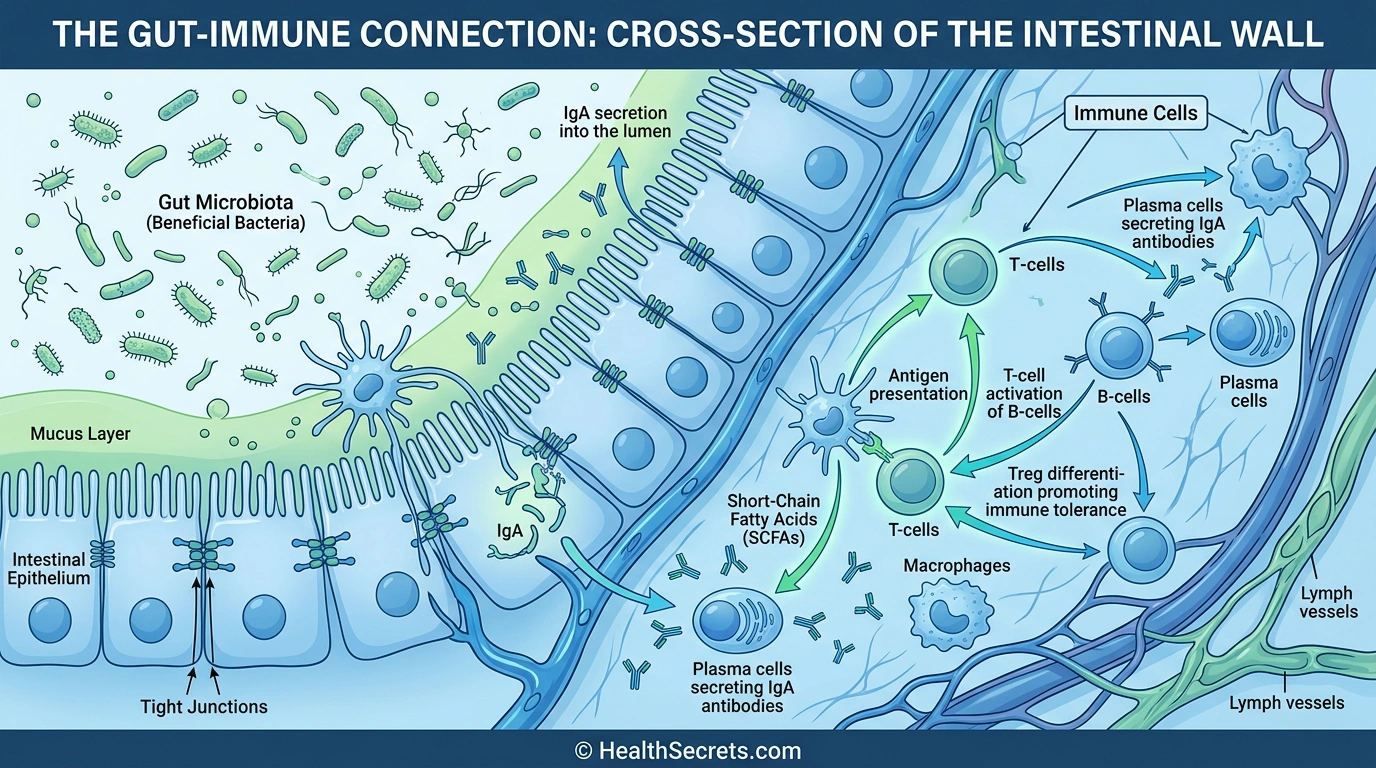
This might be the most important piece of the puzzle. Approximately 70–80% of the immune system resides in the gut as gut-associated lymphoid tissue (GALT). When intestinal permeability increases — commonly called "leaky gut" — undigested food particles, bacterial toxins (LPS), and other antigens cross the barrier and trigger systemic immune activation.
The protein zonulin regulates tight junctions between intestinal cells, and it's elevated in many autoimmune conditions. Factors that increase intestinal permeability include gluten, NSAIDs, chronic stress, infections, alcohol, and processed food additives ([2]).
A comprehensive review in Frontiers in Microbiomes confirmed that gut microbiota dysbiosis — reduced diversity, decreased beneficial bacteria like Akkermansia and Faecalibacterium, and increased pathogenic species — plays a significant role in autoimmune disease progression ([3]).
What Are the Signs and Symptoms of Autoimmune Inflammation?
Autoimmune symptoms vary significantly depending on which tissues are under attack, but several hallmarks are shared across nearly all conditions. Chronic fatigue, persistent pain, widespread inflammation, cognitive dysfunction (brain fog), and digestive problems affect the majority of autoimmune patients regardless of their specific diagnosis.

Common symptoms across autoimmune conditions:
- Fatigue: Overwhelming, unrelenting exhaustion that doesn't improve with rest
- Pain: Joint pain, muscle aches, and general body pain driven by inflammation
- Digestive issues: Bloating, diarrhea, constipation, IBS-like symptoms
- Brain fog: Difficulty concentrating, memory problems, mental sluggishness
- Mood disturbances: Depression and anxiety, often linked to chronic inflammation
- Skin changes: Rashes, redness, psoriasis patches
- Recurring infections: Immune system too busy attacking self to fight pathogens effectively
Symptom severity often fluctuates between flares (periods of increased disease activity) and remission. Tracking symptoms daily helps identify triggers and patterns.
How Is Autoimmune Disease Diagnosed?
Diagnosing autoimmune disease typically involves a combination of clinical assessment, blood work, and ruling out other conditions. There's no single universal test — diagnosis often requires patience, as symptoms overlap across many conditions and autoimmune markers can be inconsistent.

Key diagnostic tools include:
- Antinuclear antibodies (ANA): Elevated in lupus, scleroderma, Sjögren's
- Rheumatoid factor (RF) and anti-CCP: Specific to rheumatoid arthritis
- Inflammatory markers: CRP (C-reactive protein) and ESR (erythrocyte sedimentation rate)
- Thyroid antibodies: Anti-TPO and anti-thyroglobulin for Hashimoto's
- Complete blood count: Can reveal anemia, low white blood cells
- Organ-specific tests: Depending on suspected condition
If you suspect autoimmune disease, request a referral to a rheumatologist or immunologist who specializes in these conditions.
What Are the Conventional Treatment Options for Autoimmune Disease?
Conventional autoimmune treatment focuses on suppressing the overactive immune response, reducing inflammation, and managing symptoms. Medications range from broad immunosuppressants to targeted biologics, and treatment plans are highly individualized based on disease type, severity, and patient response.
Primary medication categories:
- DMARDs (Disease-Modifying Antirheumatic Drugs): Methotrexate, hydroxychloroquine — slow disease progression
- Biologics: TNF-alpha inhibitors (Humira, Enbrel), IL-6 inhibitors (Actemra) — targeted immune suppression
- Corticosteroids: Prednisone — rapid inflammation reduction but significant long-term side effects
- NSAIDs: Ibuprofen, naproxen — symptomatic pain and inflammation relief
- Symptom-specific medications: Pain management, physical therapy, cognitive behavioral therapy (CBT)
These medications are essential for disease management. Natural approaches discussed below are complementary support — they work alongside your medications, not instead of them.
NatureWise Vitamin D3 5000 IU with K2
Editor's ChoiceNatureWise Vitamin · Autoimmune immune modulation and vitamin D optimization
Nordic Naturals Ultimate Omega
Best for InflammationNordic Naturals · Reducing autoimmune inflammation and joint pain

Renew Life Ultimate Flora Extra Care 50 Billion
Best ProbioticRenew Life · Gut healing and microbiome restoration in autoimmune conditions
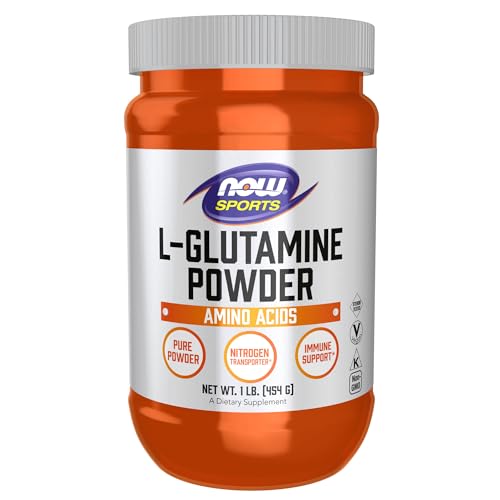
NOW Foods L-Glutamine Powder 1lb
Best for Gut RepairNOW Foods · Intestinal lining repair and reducing gut permeability
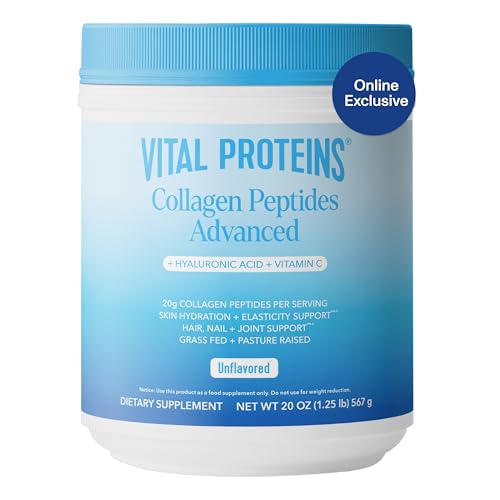
Vital Proteins Collagen Peptides 20oz
Best CollagenVital Proteins · Gut lining repair and joint support in autoimmune conditions
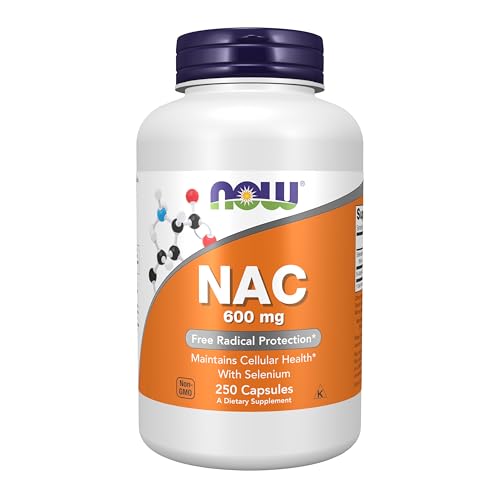
NOW Foods NAC 600mg
Best AntioxidantNOW Foods · Glutathione support and oxidative stress reduction
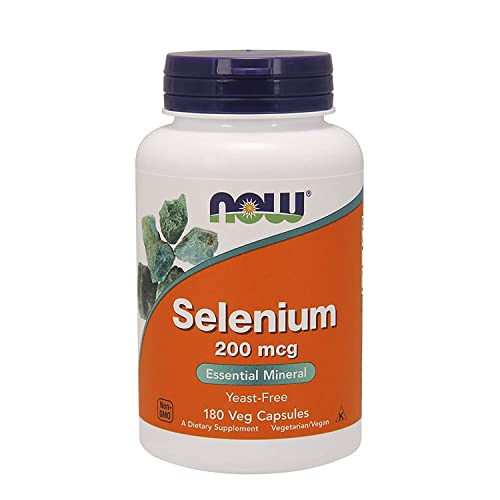
NOW Foods Selenium 200mcg
Best for Thyroid AutoimmuneNOW Foods · Hashimoto's thyroiditis and thyroid antibody reduction

Thorne Zinc Picolinate 30mg
Best ValueThorne Zinc · Immune regulation and gut tight junction support
Read the detailed review cards below before opening any retailer link
Top Recommended Products
NatureWise Vitamin
NatureWise Vitamin D3 5000 IU with K2
Vitamin D deficiency affects 70–90% of autoimmune patients. This combines D3 with K2 to ensure proper calcium metabolism, in a highly absorbable olive oil base.
Fordele
- + High-potency D3+K2 combination
- + cold-pressed olive oil enhances absorption
- + excellent value per serving
Ulemper
- - May need additional calcium monitoring at higher doses
Hvorfor vi har inkluderet den: Vitamin D deficiency affects 70–90% of autoimmune patients. This combines D3 with K2 to ensure proper calcium metabolism, in a highly absorbable olive oil base.
Forhandlerlink åbner på Amazon efter anmeldelsesdetaljerne ovenfor
Nordic Naturals
Nordic Naturals Ultimate Omega
Research shows 2–4g EPA+DHA daily reduces pro-inflammatory cytokines by 20–30% in autoimmune conditions. Nordic Naturals uses the superior triglyceride form with USP verification.
Fordele
- + High EPA+DHA concentration
- + triglyceride form absorbs better than ethyl ester
- + third-party tested for purity
- + no fishy aftertaste
Ulemper
- - Premium price point
- - large softgels
Hvorfor vi har inkluderet den: Research shows 2–4g EPA+DHA daily reduces pro-inflammatory cytokines by 20–30% in autoimmune conditions. Nordic Naturals uses the superior triglyceride form with USP verification.
Forhandlerlink åbner på Amazon efter anmeldelsesdetaljerne ovenfor
Renew Life
Renew Life Ultimate Flora Extra Care 50 Billion
Multi-strain probiotics support gut barrier integrity and help restore microbial diversity — both critical for autoimmune gut healing. Delayed-release ensures bacteria reach the intestines alive.
Fordele
- + High potency 50B CFU
- + 12 diverse strains including Lactobacillus and Bifidobacterium
- + delayed-release technology
- + shelf-stable
Ulemper
- - Single-month supply
- - some may need higher potency
Hvorfor vi har inkluderet den: Multi-strain probiotics support gut barrier integrity and help restore microbial diversity — both critical for autoimmune gut healing. Delayed-release ensures bacteria reach the intestines alive.
Forhandlerlink åbner på Amazon efter anmeldelsesdetaljerne ovenfor
NOW Foods
NOW Foods L-Glutamine Powder 1lb
L-glutamine is the primary fuel source for intestinal cells (enterocytes) and is clinically shown to reduce intestinal permeability — a key driver of autoimmune inflammation.
Fordele
- + Excellent value per serving
- + pure free-form powder
- + unflavored mixes easily
- + flexible dosing
Ulemper
- - Unflavored may be bland for some
- - requires measuring
Hvorfor vi har inkluderet den: L-glutamine is the primary fuel source for intestinal cells (enterocytes) and is clinically shown to reduce intestinal permeability — a key driver of autoimmune inflammation.
Forhandlerlink åbner på Amazon efter anmeldelsesdetaljerne ovenfor
Vital Proteins
Vital Proteins Collagen Peptides 20oz
Collagen provides amino acids (glycine, proline) essential for rebuilding the intestinal lining. This grass-fed formula is compatible with AIP and dissolves easily in any beverage.
Fordele
- + Grass-fed and pasture-raised
- + dissolves in hot or cold liquids
- + provides glycine and proline for gut repair
- + Whole30 approved for AIP compatibility
Ulemper
- - Higher cost per serving than some competitors
Hvorfor vi har inkluderet den: Collagen provides amino acids (glycine, proline) essential for rebuilding the intestinal lining. This grass-fed formula is compatible with AIP and dissolves easily in any beverage.
Forhandlerlink åbner på Amazon efter anmeldelsesdetaljerne ovenfor
NOW Foods
NOW Foods NAC 600mg
NAC is the most effective oral precursor to glutathione — the body's master antioxidant. Autoimmune conditions involve significant oxidative stress, making glutathione support essential.
Fordele
- + Potent glutathione precursor
- + excellent value
- + well-studied for autoimmune oxidative stress
- + easy dosing
Ulemper
- - Sulfur smell may bother some
- - take on empty stomach for best absorption
Hvorfor vi har inkluderet den: NAC is the most effective oral precursor to glutathione — the body's master antioxidant. Autoimmune conditions involve significant oxidative stress, making glutathione support essential.
Forhandlerlink åbner på Amazon efter anmeldelsesdetaljerne ovenfor
NOW Foods
NOW Foods Selenium 200mcg
Multiple studies show 200mcg selenium daily reduces anti-TPO and anti-thyroglobulin antibodies in Hashimoto's patients. Selenomethionine is the best-absorbed form.
Fordele
- + Highly bioavailable selenomethionine form
- + clinically shown to reduce thyroid antibodies
- + excellent value
- + 6-month supply
Ulemper
- - Should not exceed 400mcg daily from all sources
Hvorfor vi har inkluderet den: Multiple studies show 200mcg selenium daily reduces anti-TPO and anti-thyroglobulin antibodies in Hashimoto's patients. Selenomethionine is the best-absorbed form.
Forhandlerlink åbner på Amazon efter anmeldelsesdetaljerne ovenfor
Thorne Zinc
Thorne Zinc Picolinate 30mg
Zinc supports tight junction protein expression in the gut lining and is essential for proper T-cell function. Thorne's picolinate form offers superior absorption with NSF certification.
Fordele
- + NSF certified purity
- + highly absorbable picolinate form
- + supports tight junction proteins
- + trusted by practitioners
Ulemper
- - Need to supplement copper (1–2mg) with long-term zinc use
Hvorfor vi har inkluderet den: Zinc supports tight junction protein expression in the gut lining and is essential for proper T-cell function. Thorne's picolinate form offers superior absorption with NSF certification.
Forhandlerlink åbner på Amazon efter anmeldelsesdetaljerne ovenfor
What Natural Approaches Support Autoimmune Disease Management?
Evidence-based natural approaches can reduce autoimmune inflammation by 20–40% when used as complementary support alongside conventional treatment. The most effective strategies target the gut-immune connection through dietary modification, targeted supplementation, stress reduction, and sleep optimization — addressing root contributors rather than just symptoms.

Everything in this section is complementary support, NOT a replacement for medical treatment. Never stop or change prescribed medications without your doctor's supervision.
The AIP diet is an evidence-based elimination protocol that removes foods known to trigger immune activation and gut permeability. Clinical studies show AIP can reduce autoimmune symptoms by 30–50% and improve quality of life within weeks.
A clinical trial published in Inflammatory Bowel Diseases found that AIP produced significant improvement in symptoms and mucosal healing in IBD patients, with quality of life improvements visible as early as week 3 ([6]). A 2024 review confirmed the AIP's rationale of reducing inflammation by eliminating foods that trigger immune responses ([5]).
Elimination phase (30–90 days) — remove:
- Grains (especially gluten), legumes, dairy, eggs
- Nightshades (tomatoes, peppers, potatoes, eggplant)
- Nuts, seeds, refined sugar, processed foods, alcohol
Reintroduction phase — systematic testing:
- Reintroduce one food every 5–7 days
- Track symptoms, digestion, energy levels
- Identify personal triggers
Anti-inflammatory foods to emphasize:
- Omega-3 rich fish (salmon, sardines) 2–3x weekly
- Colorful vegetables (5–7 servings daily)
- Berries, olive oil, fermented foods, bone broth
Work with a registered dietitian experienced in autoimmune nutrition to ensure adequate nutrient intake during elimination.
Which Supplements Support Autoimmune Inflammation?
Many interact with immunosuppressants, biologics, and other autoimmune medications.
- Vitamin D (2,000–5,000 IU daily): Deficiency is found in 70–90% of autoimmune patients. Vitamin D modulates T-cell function and reduces pro-inflammatory cytokines. A McGill University study confirmed that vitamin D deficiency causes premature thymus aging, leading to immune dysregulation and increased autoimmune risk ([9]). Research in the International Journal of Molecular Sciences documents vitamin D's role in suppressing Th17 cytokines and promoting regulatory T-cells ([8]). Test your 25-OH vitamin D levels — optimal range is 40–60 ng/mL.
- Omega-3 EPA+DHA (2–4g daily): Reduces pro-inflammatory cytokines (IL-6, TNF-alpha) by 20–30%. A meta-analysis of randomized controlled trials found omega-3 supplementation increases EPA and DHA levels while reducing tender joint count in RA patients ([13]). An umbrella review confirmed omega-3 fatty acids reduce disease activity and inflammation in SLE and RA ([14]). The VITAL trial demonstrated that combined vitamin D and omega-3 supplementation reduced autoimmune disease incidence by 22% over five years ([15]).
- Curcumin (1,000mg daily): Inhibits NF-kB — a master inflammatory transcription factor. Take with piperine (black pepper extract) for 2,000% improved absorption. Beneficial for RA and IBD.
- Probiotics (25–100 billion CFU daily): Multi-strain formulations support gut barrier integrity, reduce systemic inflammation, and help restore microbial diversity. Rotate strains every 2–3 months.
Additional gut-healing supplements:
- L-Glutamine (5–10g daily): Primary fuel for intestinal cells; repairs gut lining
- Collagen peptides (10–20g daily): Provides glycine and proline for gut repair
- NAC (600–1,800mg daily): Glutathione precursor; reduces oxidative stress
- Zinc (15–30mg daily): Supports tight junction proteins and immune function
- Selenium (200mcg daily): Particularly beneficial for Hashimoto's — reduces thyroid antibodies
- Stress management: Chronic stress amplifies autoimmune inflammation through sustained cortisol elevation. Meditation (20 minutes daily) can reduce pain perception by 20–30%. Yoga, deep breathing exercises, and CBT are all evidence-based approaches.
- Sleep optimization (7–9 hours): Non-restorative sleep increases pro-inflammatory cytokines and worsens autoimmune symptoms. Maintain consistent sleep/wake times, keep your room dark and cool (65–68°F), and avoid screens 1–2 hours before bed.
- Moderate exercise (150 minutes/week): Walking, swimming, and gentle yoga reduce systemic inflammation. Avoid overtraining — excessive exercise increases cortisol and can trigger flares. Listen to your body and rest during active flares.
- Toxin reduction: Choose organic produce (especially the Dirty Dozen), filter drinking water, avoid plastic food containers, and use non-toxic cleaning and personal care products.
Can You Prevent Autoimmune Disease Flares?
While you can't cure autoimmune disease, you can significantly reduce the frequency and severity of flares through consistent lifestyle management. Identifying and avoiding personal triggers — specific foods, stress patterns, sleep disruption, and environmental exposures — combined with maintaining gut health and taking prescribed medications is the most effective prevention strategy.

The gut healing protocol (5R approach) provides a systematic framework:
- Remove: Inflammatory foods, infections (SIBO, Candida), toxins
- Replace: Digestive enzymes, betaine HCl if needed
- Reinoculate: Probiotics and fermented foods
- Repair: Glutamine, collagen, zinc, vitamin A
- Rebalance: Stress management, sleep, moderate exercise
This protocol requires 4–6 months minimum. Gut healing is gradual — expect slow, steady improvement rather than overnight results.

When Should You See a Doctor About Autoimmune Symptoms?
Seek medical attention immediately if you experience sudden worsening of symptoms, new unexplained symptoms (fever, chest pain, shortness of breath), signs of infection while on immunosuppressive medications, severe medication side effects, or feelings of depression or suicidal thoughts. Autoimmune disease requires ongoing medical supervision — these are not conditions to manage independently.

Red flags requiring immediate medical care:
- Severe flare with sudden pain increase, swelling, or functional loss
- Fever or signs of infection (immunosuppressed patients are higher risk)
- New neurological symptoms (numbness, vision changes, weakness)
- Severe depression, hopelessness, or suicidal ideation
- Medication side effects (liver problems, blood count changes)
- Unexplained rash, chest pain, or kidney symptoms
Ongoing medical monitoring should include:
- Regular blood work (inflammation markers, antibodies, organ function)
- Medication level monitoring
- Disease activity assessments
- Annual specialist reviews
Natural approaches work best when your healthcare team knows exactly what you're doing. Always inform your rheumatologist or specialist about all supplements and dietary changes.
Action Plan
What Should You Do First to Manage Autoimmune Inflammation Naturally?
Follow the sequence below, work through each phase in order, and use the checklist as your practical implementation guide.
Start with the foundations: optimize your relationship with your medical team, address gut health through dietary changes, and layer in targeted supplements and lifestyle modifications one step at a time. Rushing to implement everything at once is overwhelming and makes it impossible to identify what's actually helping.
Phase 1 (Weeks 1–2): Foundations
- Schedule a comprehensive consultation with your rheumatologist or specialist
- Request vitamin D, omega-3 index, and inflammatory marker testing
- Begin eliminating processed foods, refined sugar, and seed oils
- Start a symptom journal (track pain, fatigue, digestion, sleep daily)
Phase 2 (Weeks 3–6): Dietary Reset
- Begin AIP elimination phase under dietitian guidance
- Start vitamin D3 + K2 supplementation (2,000–5,000 IU, per doctor's recommendation)
- Add omega-3 fish oil (2–4g EPA+DHA daily)
- Begin daily meditation or stress management practice (10–20 minutes)
Phase 3 (Weeks 7–12): Gut Healing
- Add probiotics (25–50 billion CFU multi-strain)
- Add L-glutamine (5g daily) for gut lining repair
- Begin systematic AIP food reintroduction
- Establish consistent sleep routine (7–9 hours)
- Add gentle exercise (walking, yoga — 150 minutes/week)
Phase 4 (Months 4–6): Optimization
- Add targeted supplements based on your specific condition (curcumin, NAC, selenium)
- Retest vitamin D and inflammatory markers
- Review progress with your medical team
- Adjust supplement protocol based on test results


